

Analysis of Lixie (NiCoAl) Pneumatic Conveying Technology: Comparison of Positive and Negative Press
HeadPowder Engineering Co., Ltd. is a professional manufacturer specializing in the design, production, and installation of pneumatic conveying systems for various industrial applications. The company is headquartered in Shandong, China, and serves clients globally with customized solutions tailored to their specific material handling needs.
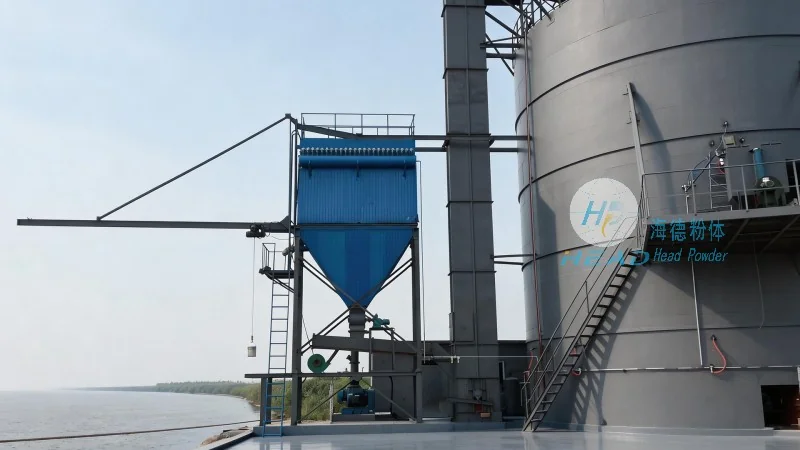
Lixie (NiCoAl) Pneumatic Conveying Systems: An Overview
Lixie, or lithium nickel cobalt aluminum oxide (LiNi₀.₈Co₀.₁₅Al₀.₁₅), is a critical cathode material used in lithium-ion batteries. Efficient and reliable material handling of Lixie is essential for the battery manufacturing process. Pneumatic conveying technology offers a non-contact, dust-free, and energy-efficient method to transport Lixie powder from storage to processing units. HeadPowder Engineering Co., Ltd. specializes in developing advanced pneumatic conveying systems optimized for the unique properties of Lixie, ensuring high throughput and minimal product degradation.
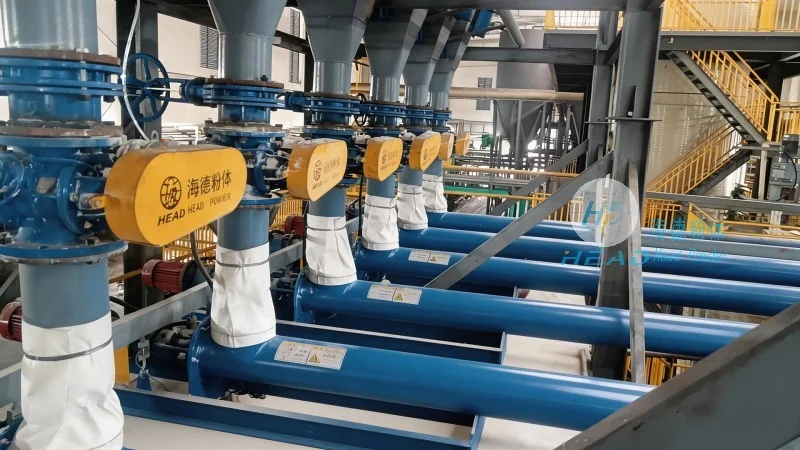
Positive Pressure Pneumatic Conveying Mode
Positive pressure mode, also known as pressure conveying, operates by pressurizing the conveying line with air or other gases, creating a pressure differential that propels the material forward. In this mode, the entire system, including the hopper and pipeline, is maintained at a pressure higher than the ambient atmosphere. This approach is particularly effective for transporting Lixie over long distances and through complex networked pipelines. The positive pressure system ensures consistent material flow and can handle high material loads, making it suitable for large-scale battery production facilities. Key advantages include high conveying capacity, ability to handle abrasive materials, and reduced risk of material segregation due to the uniform pressure environment.
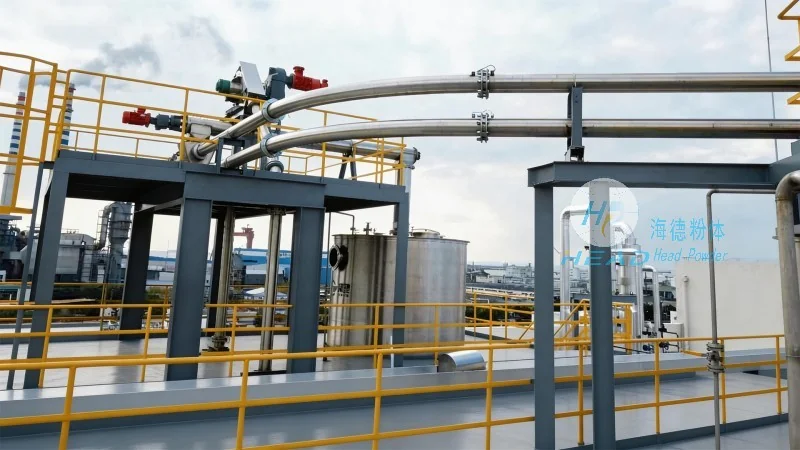
Negative Pressure Pneumatic Conveying Mode
Negative pressure mode, or vacuum conveying, works by creating a vacuum in the receiving hopper or pipeline, drawing the material into the system. This method is ideal for applications requiring gentle material handling, as the vacuum pulls material without the need for high-pressure air. Negative pressure systems are often preferred for shorter conveying distances and when the material is sensitive to pressure or friction. For Lixie, negative pressure conveying can minimize particle breakage and maintain the material's purity, which is crucial for battery performance. The system typically involves a vacuum pump and a collection hopper, with the material being drawn from the source to the processing unit. This mode is suitable for handling fine powders and materials that are prone to static charge.
Comparison of Positive and Negative Pressure Modes for Lixie Conveying
When selecting a pneumatic conveying mode for Lixie, several factors must be considered, including the distance between the source and destination, material properties, system complexity, and operational costs. Positive pressure systems excel in long-distance and high-volume applications, offering higher throughput and better control over material flow. They are also more resistant to blockages and can handle a wider range of particle sizes. On the other hand, negative pressure systems provide gentler handling, making them ideal for delicate materials like Lixie, which can be easily damaged by high-pressure air. Negative pressure is often more cost-effective for short distances and smaller material volumes. The choice between the two modes depends on the specific requirements of the battery manufacturing process, such as the need for high efficiency versus minimal product degradation.
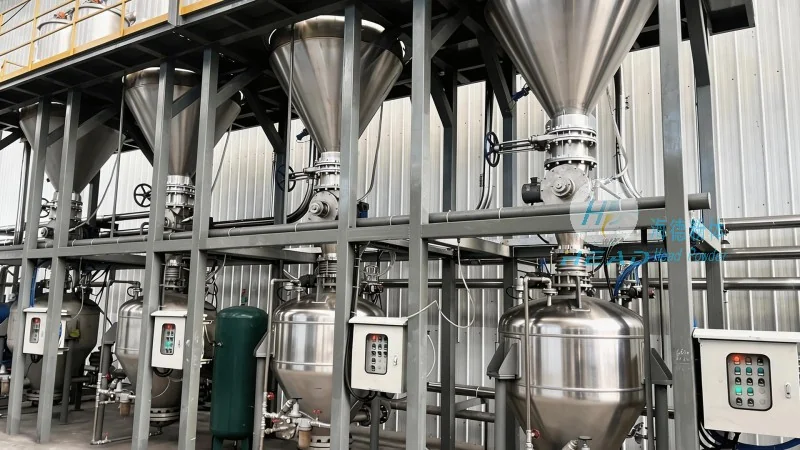
Conclusion: Choosing the Right Pneumatic Conveying Mode for Lixie (NiCoAl)
HeadPowder Engineering Co., Ltd. provides comprehensive solutions for Lixie pneumatic conveying, offering both positive and negative pressure systems tailored to client needs. By understanding the advantages and limitations of each mode, manufacturers can optimize their material handling processes, ensuring efficient production of high-quality lithium-ion batteries. The company's expertise in Lixie material properties and pneumatic conveying technology enables the design of customized systems that maximize performance and minimize operational risks. Whether a positive or negative pressure system is chosen, HeadPowder Engineering Co., Ltd. ensures reliable, efficient, and cost-effective material transport for Lixie, supporting the growing demand for battery technology worldwide.