

Analysis of Methylcellulose Pneumatic Conveying Technology: Comparison of Positive and Negative Pres
When it comes to the efficient handling of methylcellulose, pneumatic conveying systems offer a reliable solution. The choice between positive pressure and negative pressure modes significantly impacts the performance, cost, and operational safety of the process. This article provides a detailed analysis of these two modes, helping to clarify their differences and guide the selection of the most suitable system for specific applications.
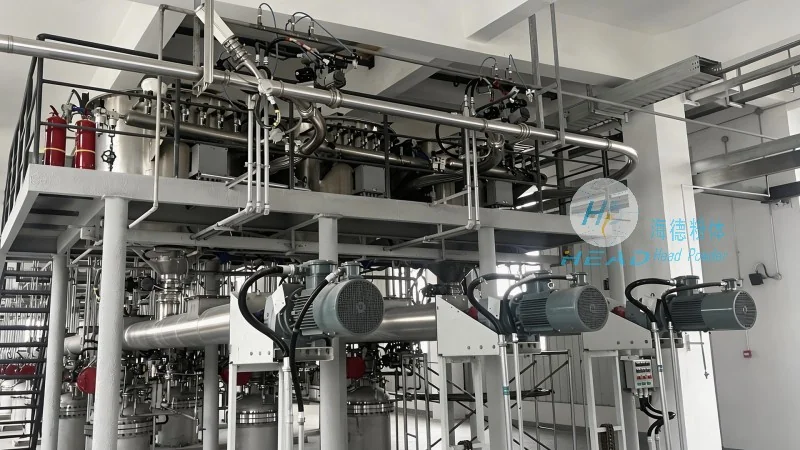
Introduction to Methylcellulose Pneumatic Conveying
Methylcellulose is a widely used non-ionic cellulose ether, commonly employed in various industries such as pharmaceuticals, food, and construction. Its handling requires specialized equipment to ensure product integrity and operational efficiency. Pneumatic conveying systems utilize air or gas to transport solid materials like methylcellulose, offering advantages over traditional mechanical conveying methods. The two primary modes of operation are positive pressure and negative pressure systems, each with distinct characteristics and applications.
Positive Pressure Pneumatic Conveying System
Positive pressure systems operate by blowing air or gas into the conveying line, creating a pressure higher than the ambient air pressure. This method is particularly effective for transporting materials over long distances or through complex piping networks. The headpowder engineering company, based in Shandong, China, specializes in designing and manufacturing such systems tailored to the unique requirements of methylcellulose handling. The positive pressure mode ensures consistent material flow and reduces the risk of product degradation due to exposure to external contaminants. However, it may require more robust equipment and higher energy consumption compared to negative pressure systems.
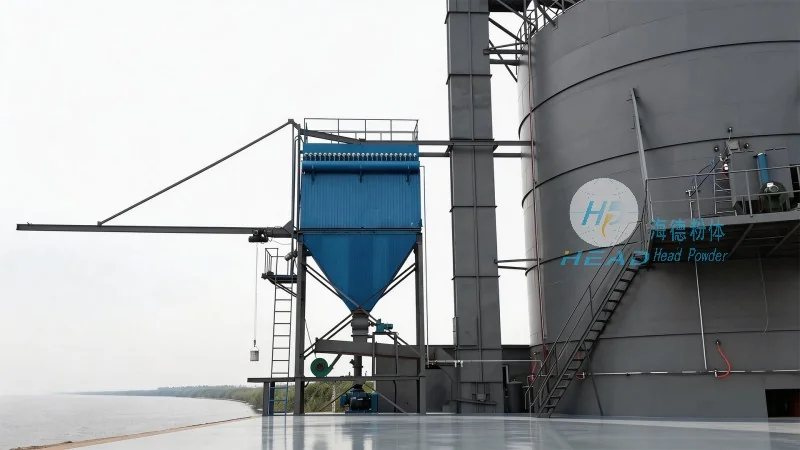
Negative Pressure Pneumatic Conveying System
Negative pressure systems, on the other hand, create a vacuum in the conveying line, drawing material from the source into the system. This approach is often preferred for applications where the material is sensitive to air exposure or where the conveying distance is relatively short. The design of negative pressure systems focuses on maintaining a clean and controlled environment, minimizing the risk of dust and particle contamination. For methylcellulose, which can be hygroscopic and prone to clumping, the negative pressure mode can help preserve product quality by reducing moisture absorption and maintaining particle integrity. The engineering solutions from Shandong HeadPowder Engineering Co., Ltd. incorporate advanced filtration and sealing mechanisms to enhance the efficiency of these systems.
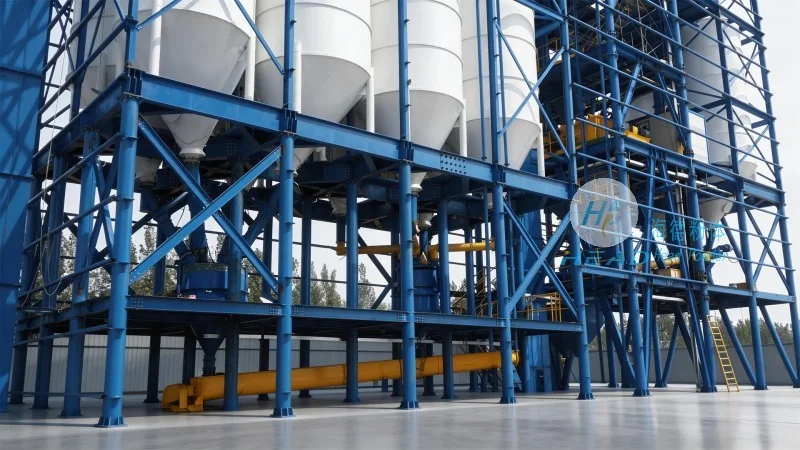
Key Considerations for Choosing Between Modes
The selection between positive and negative pressure pneumatic conveying systems depends on several factors, including the material properties, conveying distance, system layout, and operational requirements. For methylcellulose, which is often used in pharmaceutical and food applications where product purity is paramount, the negative pressure mode may be more suitable due to its ability to maintain a sterile and controlled environment. Conversely, for bulk handling in industrial settings where cost-effectiveness and long-distance transport are critical, the positive pressure system may offer better performance. The engineering team at Shandong HeadPowder Engineering Co., Ltd. conducts thorough assessments of each project to determine the optimal mode, ensuring that the chosen system aligns with the client's specific needs and operational goals.
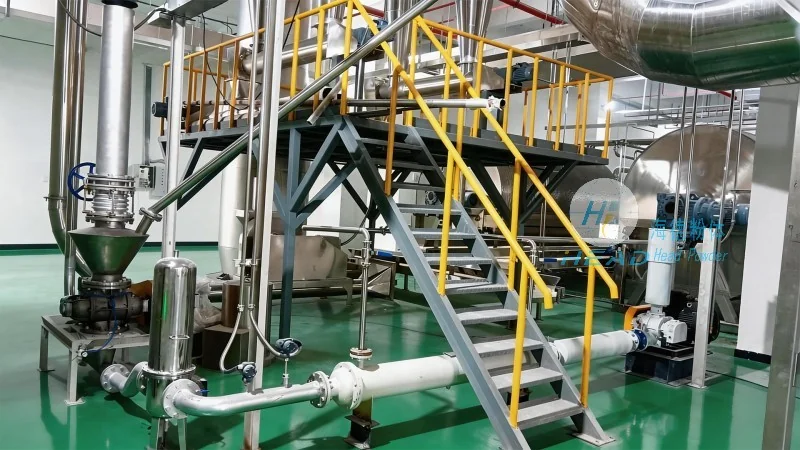
Advantages and Challenges of Each Mode
Positive pressure systems provide several advantages, including higher conveying capacities, the ability to handle abrasive materials, and easier maintenance due to the absence of vacuum components. However, they may face challenges related to air leakage, which can lead to increased energy consumption and potential safety hazards. In contrast, negative pressure systems offer benefits such as lower initial costs, reduced noise levels, and better control over dust emissions. The main challenges include the need for careful sealing to prevent air ingress and the potential for higher maintenance on vacuum pumps. For methylcellulose, the choice of mode also impacts the product's quality, as exposure to air can affect its viscosity and other physical properties. The engineering solutions from headpowder address these challenges by integrating advanced materials and design principles to ensure optimal performance and product integrity.
Conclusion
In conclusion, both positive and negative pressure pneumatic conveying systems are viable options for methylcellulose handling, each with its own set of advantages and challenges. The decision should be based on a comprehensive evaluation of the application's specific requirements, including material properties, distance, and operational constraints. The Shandong HeadPowder Engineering Co., Ltd. provides expert engineering services to design and implement the most suitable system, ensuring efficient and reliable transport of methylcellulose while maintaining product quality and operational safety. By understanding the differences between these modes, industry professionals can make informed decisions that enhance process efficiency and reduce operational costs.