

Analysis of PTFE Pneumatic Conveying Technology: Comparison of Positive and Negative Pressure Modes
Polytetrafluoroethylene (PTFE), a highly versatile fluoropolymer, is widely used in various industrial applications due to its exceptional chemical resistance, thermal stability, and non-stick properties. Pneumatic conveying, a method of transporting bulk materials through a pipeline using air or gas as the conveying medium, offers an efficient solution for handling PTFE powders and granules. This article provides an in-depth analysis of PTFE pneumatic conveying technology, focusing on the comparison between positive pressure and negative pressure modes. The content is presented by Shandong HeadPowder Engineering Co., Ltd., a leading provider in the field, with the company's details as follows: HeadPowder, Shandong HeadPowder Engineering Co., Ltd., located in Shandong, China.
Understanding PTFE and Its Handling Challenges
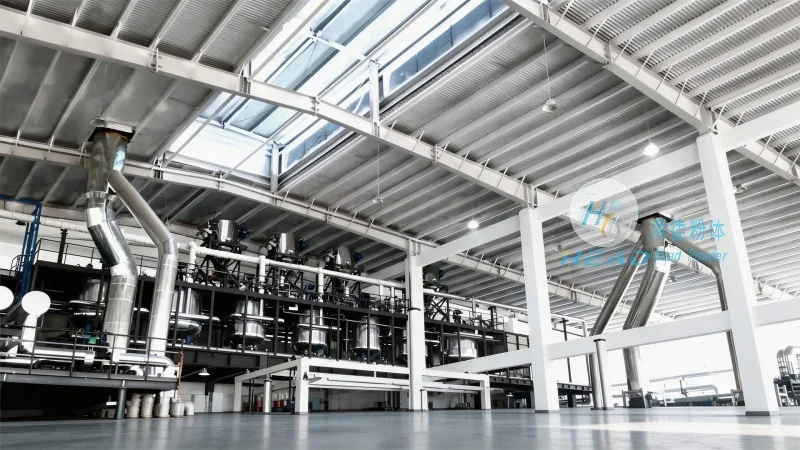
PTFE materials, whether in powder or granular form, present unique handling challenges. Their low bulk density, fine particle size, and tendency to agglomerate can complicate traditional bulk material transport methods. Pneumatic conveying addresses these challenges by utilizing air or gas to move the material through a sealed system, minimizing product contamination and ensuring a clean transfer process. The choice between positive and negative pressure systems depends on factors such as material characteristics, system layout, and operational requirements.
Positive Pressure Pneumatic Conveying System
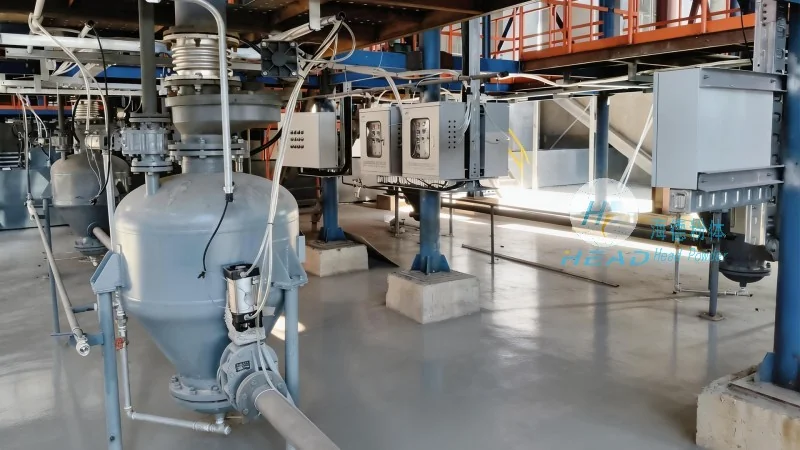
Positive pressure systems operate by blowing air or gas into the conveying line, creating a pressure higher than the ambient air pressure. This mode is particularly suitable for transporting PTFE powders over long distances or through complex piping networks. The system typically includes a blower, a material feeder, and a receiver. The blower generates the necessary pressure to move the material, while the feeder ensures a consistent flow rate. Positive pressure systems are known for their high conveying capacity and ability to handle abrasive or corrosive materials, making them ideal for PTFE applications where material purity is critical.
Negative Pressure Pneumatic Conveying System
Negative pressure systems, also known as vacuum systems, work by creating a vacuum in the conveying line, drawing material from the source into the system. This mode is often preferred for short-distance transport or when the material needs to be collected from a confined space. The system consists of a vacuum pump, a material hopper, and a receiver. The vacuum pump creates the suction force that pulls the material through the line. Negative pressure systems are advantageous for applications where the material is sensitive to pressure or where the source is located at a higher elevation than the receiver.
Comparison of Positive and Negative Pressure Modes
When selecting a pneumatic conveying system for PTFE, it is essential to evaluate the advantages and disadvantages of both positive and negative pressure modes. Positive pressure systems offer higher conveying rates and can handle longer distances, but they may require more maintenance due to the higher pressure components. Negative pressure systems are generally more energy-efficient for short distances and can be less expensive to install, but they may have lower conveying capacities and are more susceptible to material blockages. The choice ultimately depends on the specific application requirements, including the distance between the source and receiver, the material's physical properties, and the operational environment.
Key Considerations for PTFE Pneumatic Conveying
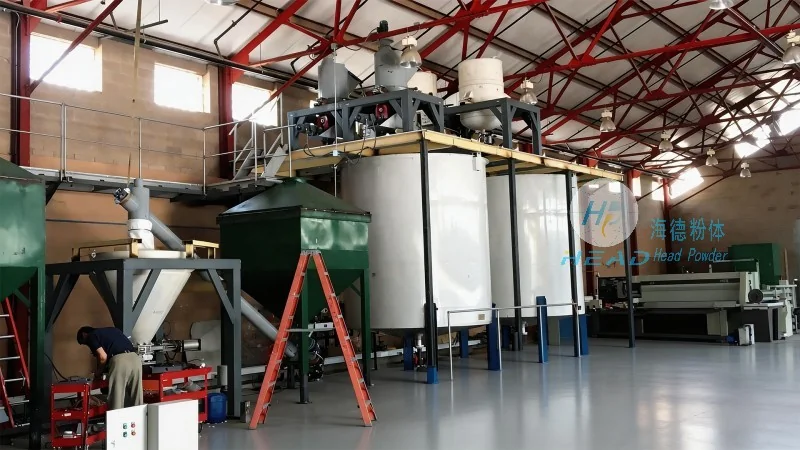
Implementing an effective PTFE pneumatic conveying system involves several key considerations. First, the material's particle size and flow characteristics must be analyzed to determine the appropriate conveying velocity and system design. Second, the system's pressure and vacuum levels need to be optimized to prevent material degradation or blockages. Third, the equipment must be constructed from materials compatible with PTFE, such as stainless steel or PTFE-coated components, to avoid contamination. Additionally, regular maintenance and monitoring are crucial to ensure the system operates efficiently and reliably over time.
Conclusion
Pneumatic conveying is a highly effective method for handling PTFE materials, with both positive and negative pressure systems offering unique benefits. By understanding the characteristics of each mode and considering the specific application requirements, industries can select the most suitable system for their needs. Shandong HeadPowder Engineering Co., Ltd. specializes in providing customized pneumatic conveying solutions tailored to the unique demands of PTFE processing, ensuring efficient and reliable material transport in various industrial settings.