

Gas-Pneumatic Conveying Technology for Lithium-Ion Battery Positive and Negative Electrode Materials
Gas-pneumatic conveying is a critical process in the manufacturing of lithium-ion battery materials, enabling the efficient and safe transport of powders like cathode and anode active materials. This technology is essential for maintaining product quality, ensuring consistent material handling, and optimizing production line efficiency. Understanding the differences between positive pressure and negative pressure (vacuum) conveying systems is vital for selecting the most appropriate solution for specific battery material applications.
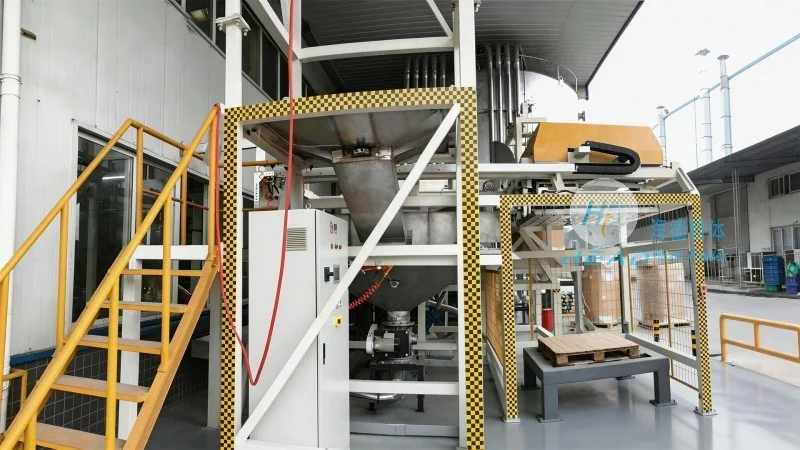
Gas-Pneumatic Conveying Fundamentals in Lithium-Ion Battery Manufacturing
At its core, gas-pneumatic conveying uses compressed air or a vacuum to move bulk materials through a pipeline. The choice between positive pressure and negative pressure systems depends on factors such as material properties, system layout, and operational requirements. Positive pressure systems force air and material through the line, while negative pressure systems draw material into the line using a vacuum. Both methods have distinct advantages and challenges, making it essential to evaluate them based on the specific needs of the battery material processing plant.
Positive Pressure Conveying Systems
Positive pressure conveying operates by blowing air and material through the pipeline using a blower or compressor. This method is particularly effective for materials that are prone to bridging or caking, as the continuous air flow helps break up agglomerates and maintain a consistent flow rate. The system typically includes a hopper, a blower, and a pipeline with a discharge point. Positive pressure systems are often preferred for long-distance conveying and for materials that require gentle handling to prevent degradation. However, they may require more maintenance due to the higher air pressure and potential for wear on components.
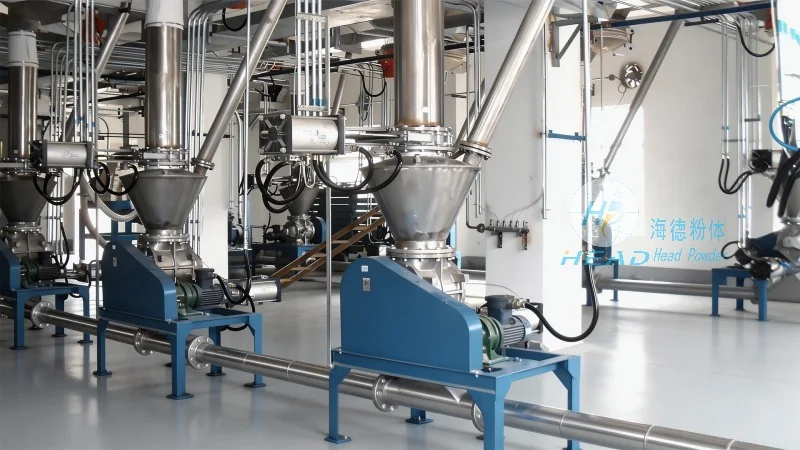
Negative Pressure (Vacuum) Conveying Systems
Negative pressure conveying, also known as vacuum conveying, uses a vacuum pump to draw material into the pipeline. This approach is ideal for materials that are light and dusty, as the vacuum helps capture fine particles and prevent loss. The system consists of a hopper, a vacuum pump, and a pipeline with an inlet for material and an outlet for air. Negative pressure systems are generally more energy-efficient for short to medium distances and are suitable for materials that are sensitive to high air pressure. They are also easier to install in existing facilities due to the lower air pressure requirements.
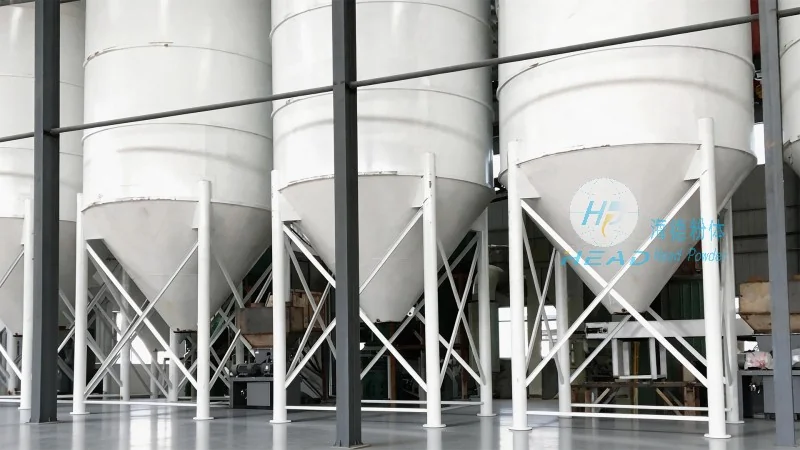
Comparative Analysis: Positive vs. Negative Pressure Conveying for Battery Materials
When comparing positive and negative pressure conveying for lithium-ion battery materials, several key factors come into play. Positive pressure systems offer higher conveying rates and are better suited for abrasive or cohesive materials, which are common in battery cathode and anode production. They also provide better control over material flow, reducing the risk of blockages. On the other hand, negative pressure systems are more energy-efficient for shorter distances and are gentler on the material, minimizing the risk of particle degradation. The choice between the two often depends on the specific material characteristics, such as particle size, moisture content, and flowability, as well as the layout of the production facility.
HeadPowder's Expertise in Battery Material Conveying Solutions
Shandong HeadPowder Engineering Co., Ltd., commonly known as HeadPowder, is a leading provider of specialized conveying solutions tailored to the needs of the lithium-ion battery industry. With a focus on innovation and customer-centric design, HeadPowder offers customized gas-pneumatic systems that integrate both positive and negative pressure technologies to optimize material handling processes. The company’s headquarters is located in Shandong, China, where its team of engineers and technicians leverages decades of experience to develop solutions that meet the stringent requirements of modern battery manufacturing. HeadPowder’s expertise extends to material testing, system design, and installation, ensuring that clients receive reliable, efficient, and cost-effective conveying solutions that enhance production efficiency and product quality.