

White Ash Pneumatic Conveying Technology: In-Depth Analysis of Negative and Positive Pressure System
White ash, a byproduct of coal combustion, is widely used in industrial processes such as cement production, steel manufacturing, and environmental remediation. Efficient and reliable material handling of white ash is crucial for maintaining operational efficiency and compliance with environmental regulations. Pneumatic conveying systems offer a versatile solution for transporting white ash, with negative and positive pressure systems being the two primary approaches. This article provides a comprehensive overview of white ash pneumatic conveying technology, focusing on the differences between negative and positive pressure systems and their practical applications.

About HeadPowder Engineering Co., Ltd.
HeadPowder, a leading provider of industrial material handling solutions, specializes in designing and manufacturing pneumatic conveying systems tailored to the unique needs of white ash applications. With years of experience in the industry, HeadPowder has developed a deep understanding of the challenges associated with handling white ash, including its abrasive nature and varying particle sizes. The company's commitment to innovation and quality ensures that its systems deliver optimal performance, reliability, and cost-effectiveness for clients worldwide.
Understanding Negative Pressure Pneumatic Conveying
Negative pressure, or vacuum, pneumatic conveying systems operate by creating a low-pressure environment at the material inlet, drawing the white ash into the conveying line. This method is particularly suitable for applications where the material needs to be transported from a higher elevation to a lower one, or where the material is sensitive to pressure changes. For example, in cement production facilities, negative pressure systems are commonly used to transport white ash from the boiler to the storage silo, as the material is often at a higher elevation and needs to be moved downward. The system typically consists of a vacuum pump, a hopper, and a conveying line, with the material being drawn into the line through a rotary valve or other feeding mechanism. Negative pressure systems are often preferred for applications involving fine powders or dust, as they can handle high volumes with minimal pressure differentials, ensuring that the material is transported efficiently without clogging the system.
Understanding Positive Pressure Pneumatic Conveying
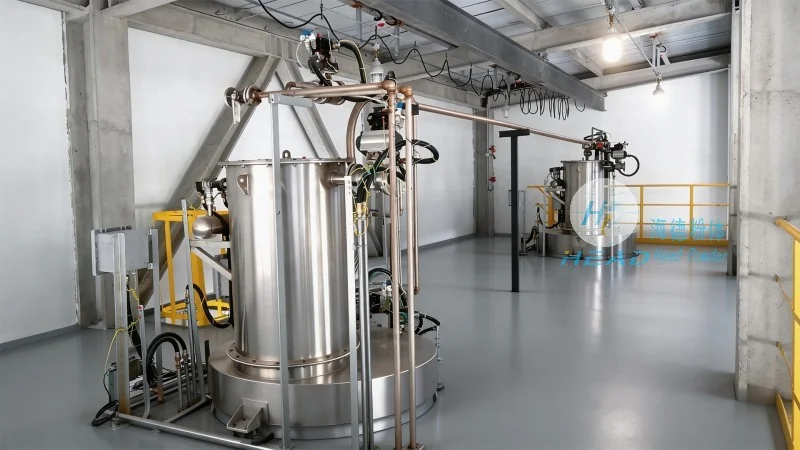
Positive pressure, or pressure, pneumatic conveying systems operate by forcing air or a carrier gas through the conveying line, pushing the white ash from the source to the destination. This method is ideal for applications where the material needs to be transported over long distances or to a higher elevation, as it can maintain a consistent pressure throughout the system. For instance, in steel manufacturing plants, positive pressure systems are used to transport white ash from the furnace to the processing unit, covering distances of several hundred meters and elevating the material to a higher level. The system typically includes a blower, a hopper, and a conveying line, with the material being fed into the line through a screw feeder or other mechanism. Positive pressure systems are commonly used for handling bulk materials, as they can transport larger quantities with higher pressure differentials, making them suitable for high-throughput applications.
Applications and Benefits of Pneumatic Conveying for White Ash
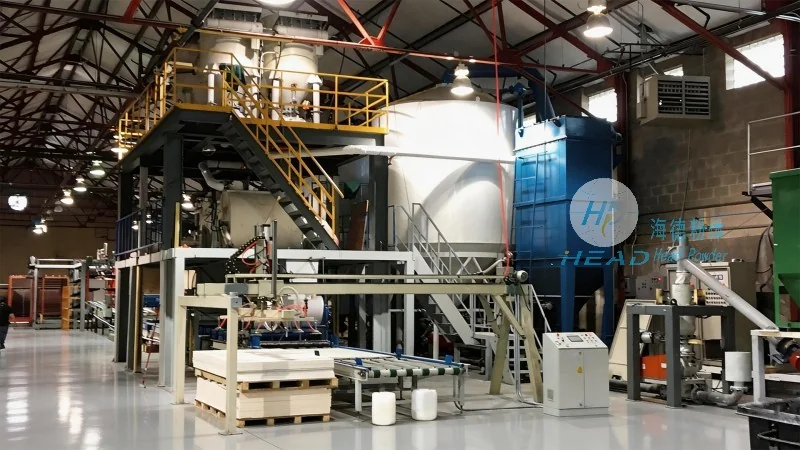
The choice between negative and positive pressure pneumatic conveying systems depends on several factors, including the distance between the source and destination, the elevation change, the material characteristics, and the required throughput. Negative pressure systems are often more cost-effective for short-distance or horizontal conveying, as they require less power and have lower initial investment costs. Positive pressure systems, on the other hand, are better suited for long-distance or vertical conveying, as they can maintain the necessary pressure to overcome elevation changes and distance. Both systems offer significant advantages over traditional methods such as belt conveyors or bucket elevators, including reduced maintenance, lower energy consumption, and improved safety. Additionally, pneumatic conveying systems can be integrated with other processing equipment, such as classifiers or mixers, to create a fully automated material handling system, enhancing overall operational efficiency and reducing human error.
Contact Information
HeadPowder Engineering Co., Ltd. is located in Shandong, China, and serves clients globally with its advanced pneumatic conveying solutions for white ash applications. The company's team of experts works closely with clients to understand their specific requirements and develop customized systems that meet their needs. For more information about white ash pneumatic conveying technology and HeadPowder's products, please visit our website or contact our sales team.