

Copper Powder Pneumatic Conveying Technology: In-Depth Analysis of Vacuum and Positive Pressure Syst
Efficient material handling is a critical factor in modern industrial processes, particularly when dealing with fine powders like copper powder. Pneumatic conveying systems offer a reliable and flexible solution for transporting such materials, and understanding the nuances of vacuum versus positive pressure systems is essential for optimizing performance and ensuring safety. This article provides a comprehensive overview of copper powder pneumatic conveying technology, exploring the principles, advantages, and practical applications of both vacuum and positive pressure systems.
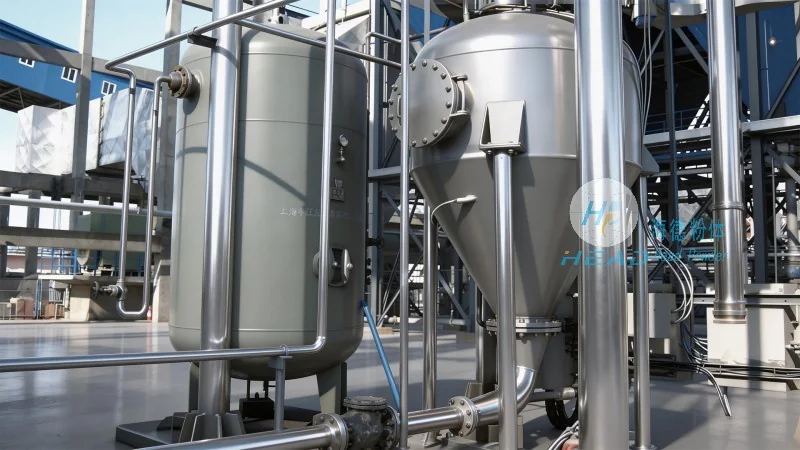
Vacuum Pneumatic Conveying Systems for Copper Powder
Vacuum pneumatic conveying systems operate by creating a negative pressure environment at the material inlet, drawing the copper powder into the conveying line. This method is particularly effective for short to medium-distance transport and for handling materials that are prone to dust generation or require gentle handling. The primary advantage of vacuum systems is their ability to handle materials with high moisture content or those that are sensitive to impact, as the conveying process is relatively gentle. However, vacuum systems may have limitations in terms of distance and material density, as the pressure differential required to move the powder can be significant. The system typically consists of a vacuum pump, a material hopper with a rotary valve, and a conveying line that leads to the destination silo or storage tank. The rotary valve at the hopper controls the flow of copper powder, ensuring a consistent feed rate into the system. The vacuum pump maintains the pressure differential, pulling the powder through the line and into the receiving container. This method is widely used in applications where the material needs to be transported from a central location to multiple points or where the receiving equipment is located at a lower elevation than the source.
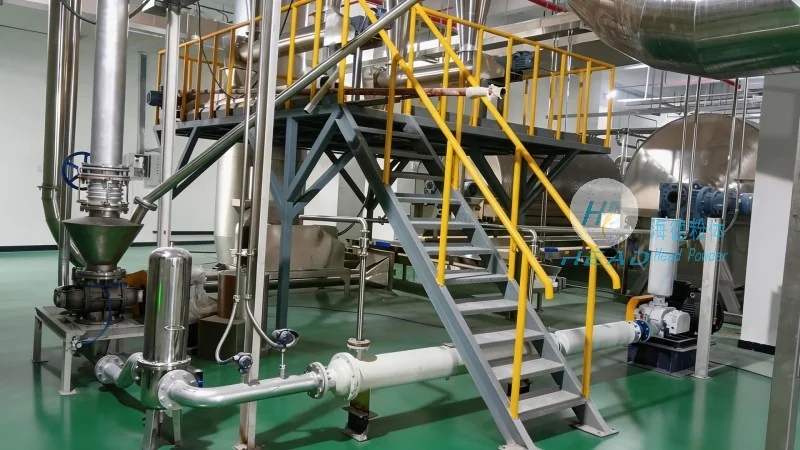
Positive Pressure Pneumatic Conveying Systems for Copper Powder
Positive pressure systems, on the other hand, generate a positive pressure within the conveying line, pushing the copper powder from the source to the destination. These systems are generally more suitable for longer distances and higher material flow rates compared to vacuum systems. The positive pressure ensures that the material is continuously pushed through the line, reducing the risk of blockages and ensuring a steady flow. Positive pressure systems are often preferred for handling bulk quantities of copper powder, as they can maintain consistent pressure and flow rates over extended distances. The system includes a blower or air compressor, a material hopper with a feeder, and a conveying line that transports the powder to the storage or processing area. The feeder at the hopper controls the discharge rate, while the blower maintains the positive pressure, ensuring the powder moves efficiently through the line. Unlike vacuum systems, positive pressure systems do not rely on suction, which can be less effective for fine powders that tend to settle or clump. This makes positive pressure systems ideal for applications requiring high throughput and long-distance transport.
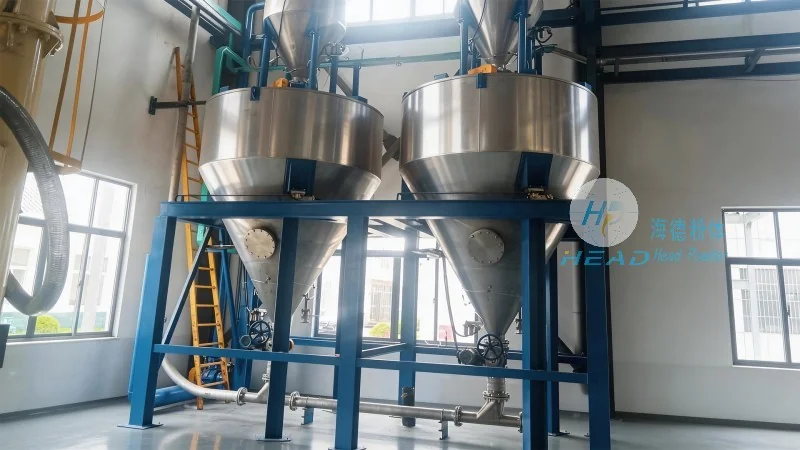
Key Considerations for Choosing Between Vacuum and Positive Pressure Systems
The choice between vacuum and positive pressure pneumatic conveying systems for copper powder depends on several factors, including the distance of transport, the material characteristics, and the required flow rate. For short distances and applications where the material is sensitive to handling, vacuum systems may be more appropriate due to their gentle conveying action. Conversely, for longer distances and high-volume applications, positive pressure systems offer superior performance and reliability. Material properties such as particle size, moisture content, and density also play a role in system selection. Fine copper powders with high moisture content may require the gentle handling of vacuum systems, while coarser or denser powders may benefit from the higher pressure and flow capabilities of positive pressure systems. Additionally, the layout of the facility and the location of the receiving equipment can influence the choice of system. For example, if the receiving silo is at a higher elevation than the source, a positive pressure system may be more efficient, as it can push the material upward without the need for additional elevation changes.
Applications of Copper Powder Pneumatic Conveying
Copper powder is widely used in various industries, including electronics, aerospace, and manufacturing, where it serves as a raw material for copper alloys, conductive pastes, and other specialized products. Pneumatic conveying systems are crucial for transporting copper powder to production lines, storage facilities, or processing equipment. The efficiency of the conveying system directly impacts the overall productivity and cost-effectiveness of the manufacturing process. In the electronics industry, for example, copper powder is used to produce printed circuit boards (PCBs) and other components, and a reliable pneumatic conveying system ensures a consistent supply of material to the production line. In aerospace applications, copper powder is used in the manufacturing of aircraft components, where the quality and purity of the powder are critical. The use of pneumatic conveying helps maintain the integrity of the material, preventing contamination and ensuring that the final product meets stringent quality standards. Additionally, in the manufacturing of copper alloys, the ability to transport copper powder efficiently is essential for maintaining production schedules and meeting customer demands.
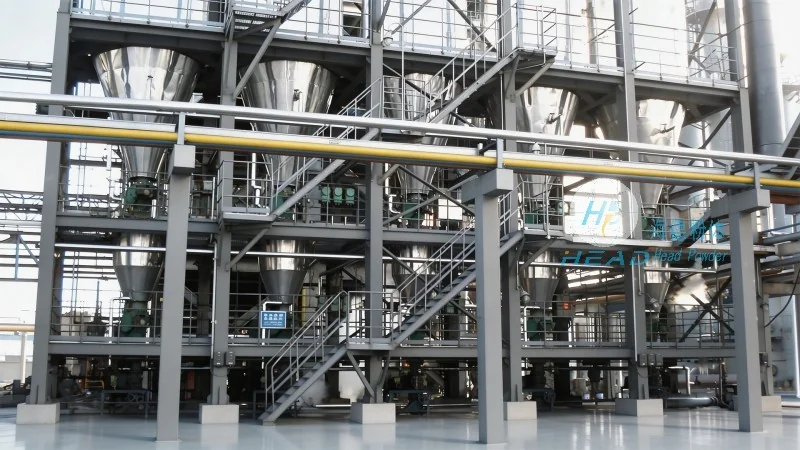
About HeadPowder: Shandong HeadPowder Engineering Co., Ltd.
HeadPowder, or Shandong HeadPowder Engineering Co., Ltd., is a leading provider of pneumatic conveying solutions for industrial applications. With a focus on innovation and customer satisfaction, the company specializes in designing and manufacturing customized conveying systems tailored to the specific needs of its clients. HeadPowder's expertise lies in understanding the unique challenges of handling fine powders like copper powder and developing solutions that optimize performance, reduce downtime, and enhance safety. The company's facilities are located in Shandong, China, where it leverages advanced technology and skilled personnel to deliver high-quality products and services. HeadPowder's commitment to quality is evident in its adherence to industry standards and its use of robust materials and components in its conveying systems. By partnering with HeadPowder, industrial clients can benefit from reliable and efficient material handling solutions that enhance their operational efficiency and reduce costs. The company's team of experts works closely with clients to assess their specific requirements and provide tailored solutions that meet their production goals and safety standards.