

Calcium Hydroxide Powder Pneumatic Conveying Technology Analysis: Positive Pressure vs. Negative Pre
Calcium hydroxide powder, also known as slaked lime, is a widely used chemical in various industrial applications. The efficient and safe transportation of this fine powder is crucial for maintaining production efficiency and ensuring product quality. Pneumatic conveying technology offers a reliable solution for handling calcium hydroxide powder, with two primary modes: positive pressure and negative pressure systems. This article provides a detailed analysis of these two modes, highlighting their characteristics, advantages, and applications, presented by Shandong HeadPowder Engineering Co., Ltd., a leading provider of pneumatic conveying solutions in China.
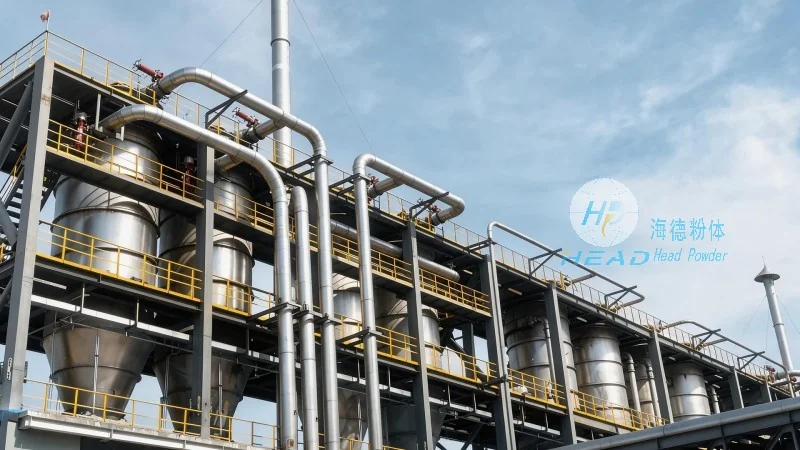
Introduction to Pneumatic Conveying of Calcium Hydroxide Powder
Pneumatic conveying is a method of transporting bulk materials, such as powders and granules, using a gas stream (usually air) to move the material through a pipeline. For calcium hydroxide powder, which is often fine and can be prone to dust generation, selecting the appropriate pneumatic conveying system is essential. The two main categories are positive pressure (pressure) systems and negative pressure (vacuum) systems. Each has its own set of advantages and is suitable for different operational requirements.
Positive Pressure Pneumatic Conveying System
The positive pressure system operates by forcing air or other gas through the material to be conveyed. The material is drawn into the pipeline by the high-pressure air, which then transports it to the destination. This mode is particularly effective for long-distance or high-capacity conveying of calcium hydroxide powder. The system typically includes a blower or compressor at the inlet, which generates the necessary pressure to move the material. The positive pressure system is known for its high conveying capacity and ability to handle abrasive materials without causing excessive wear on the equipment. It is also suitable for applications where the material needs to be discharged into a closed environment, such as a storage silo or a processing unit.
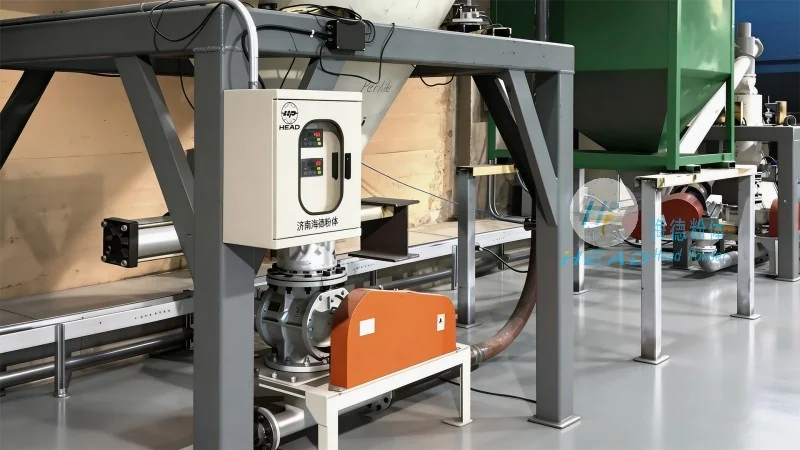
Negative Pressure Pneumatic Conveying System
Conversely, the negative pressure system uses a vacuum to draw the material into the pipeline. The system operates by creating a lower pressure at the discharge end, which pulls the material from the source and through the pipeline. This mode is commonly used for short-distance conveying or when the material needs to be transported from an open or dusty environment into a clean area. The negative pressure system is generally more suitable for handling fine powders that are prone to dust generation, as the vacuum helps to contain the material and reduce airborne particles. However, it may have lower conveying capacity compared to the positive pressure system and can be more susceptible to clogging if the material is too fine or has high moisture content.
Key Differences Between Positive and Negative Pressure Systems
When comparing the positive and negative pressure pneumatic conveying systems for calcium hydroxide powder, several key differences emerge. The most significant factor is the direction of air flow and the pressure differential. In a positive pressure system, the air flows from the inlet to the outlet, pushing the material along the pipeline. In contrast, the negative pressure system draws air and material from the source into the pipeline, creating a vacuum at the discharge end. Another important difference is the equipment used. Positive pressure systems rely on blowers or compressors, while negative pressure systems use vacuum pumps or fans. The choice between the two systems depends on factors such as the distance of the conveying line, the required capacity, the material's properties (e.g., fineness, moisture content), and the environmental conditions at the source and destination.
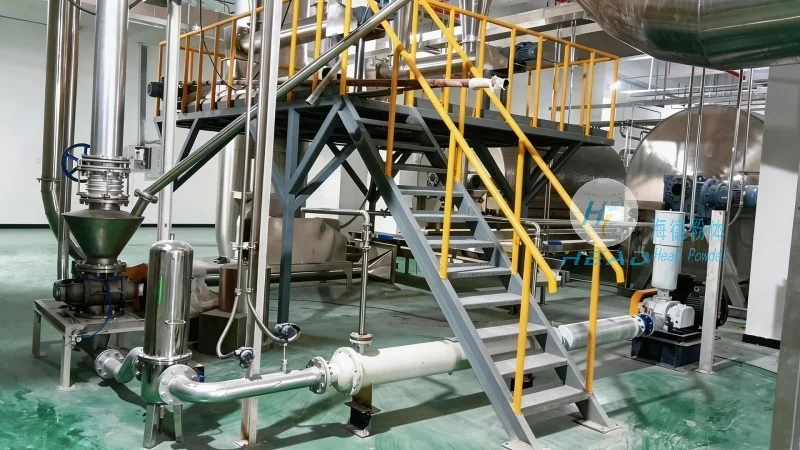
Advantages and Applications of Positive Pressure Systems
Positive pressure pneumatic conveying systems offer several advantages for calcium hydroxide powder transportation. One of the primary benefits is their high conveying capacity, making them ideal for large-scale industrial applications where large quantities of powder need to be moved efficiently. The system is also relatively simple to install and maintain, as it does not require complex vacuum equipment. Additionally, positive pressure systems can handle abrasive materials without causing excessive wear on the pipeline or components, which is particularly important for calcium hydroxide powder, which may contain hard particles. These systems are commonly used in applications such as bulk material handling in chemical plants, food processing, and pharmaceutical manufacturing, where the material needs to be transported from a storage silo to a processing unit or from one production line to another.
Advantages and Applications of Negative Pressure Systems
Negative pressure pneumatic conveying systems have their own set of advantages, especially in specific applications. One key advantage is their ability to handle fine powders with high dust content, as the vacuum helps to contain the material and reduce airborne particles. This makes them suitable for applications where dust control is critical, such as in food processing or pharmaceutical industries where product purity is paramount. The negative pressure system is also more energy-efficient for short-distance conveying, as it requires less power to create a vacuum compared to the high-pressure air needed for positive pressure systems. However, it may have limitations in terms of conveying capacity and may be more prone to clogging with very fine or moist powders. These systems are commonly used in applications such as transporting calcium hydroxide powder from a hopper to a mixing tank or from a processing unit to a storage silo, where the distance is relatively short and the material is fine.
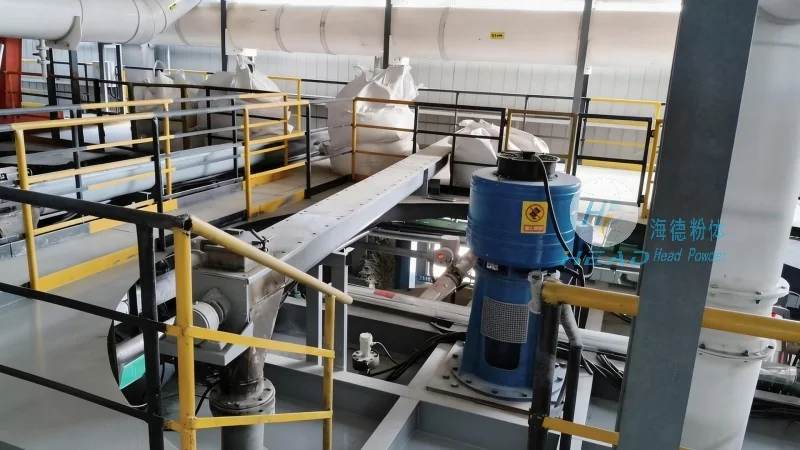
Considerations for Selecting the Right Pneumatic Conveying System
Choosing between a positive pressure and negative pressure pneumatic conveying system for calcium hydroxide powder requires careful consideration of several factors. The first consideration is the distance of the conveying line. Positive pressure systems are generally more suitable for longer distances due to their higher capacity and ability to maintain pressure over longer pipelines. Negative pressure systems are better for shorter distances, as the vacuum may not be sufficient to move the material over long distances without excessive energy consumption or clogging. The second factor is the material's properties, including fineness, moisture content, and abrasiveness. Fine powders with high moisture content may cause clogging in negative pressure systems, while positive pressure systems can handle these materials more effectively. The third consideration is the environmental conditions at the source and destination. If the source is in a dusty or open environment and the destination is a clean area, a negative pressure system may be preferred to prevent dust contamination. Conversely, if the source is a closed silo and the destination is another processing unit, a positive pressure system may be more appropriate.
Conclusion
In conclusion, both positive pressure and negative pressure pneumatic conveying systems offer effective solutions for transporting calcium hydroxide powder. The choice between the two depends on the specific requirements of the application, including the distance of the conveying line, the material's properties, and the environmental conditions. Positive pressure systems are generally more suitable for high-capacity, long-distance conveying, while negative pressure systems are better for short-distance, fine powder handling with strict dust control requirements. By understanding the characteristics and advantages of each system, industrial operators can select the most appropriate pneumatic conveying technology to ensure efficient, safe, and reliable transportation of calcium hydroxide powder.