

Analysis of Carbon Additive Powder Pneumatic Conveying Technology: Comparison of Positive and Negati
Carbon additive powder pneumatic conveying technology is a critical process in the industrial handling of fine powders, particularly in applications like steelmaking and metallurgy where carbon additives are essential for adjusting the chemical composition of molten metal. The efficiency and reliability of this technology directly impact production quality and operational costs. Two primary modes are widely used: positive pressure and negative pressure systems. This article provides a detailed analysis of these two modes, comparing their characteristics, advantages, and practical applications, with a focus on the expertise of Shandong HeadPowder Engineering Co., Ltd. in optimizing such systems for industrial needs.
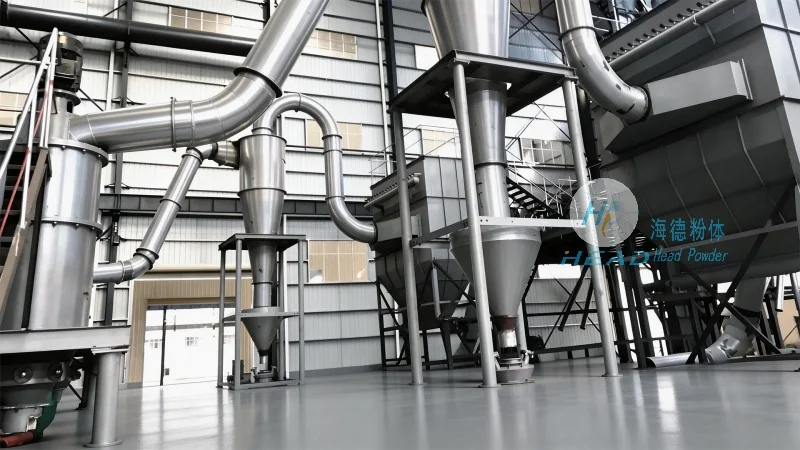
Introduction to Pneumatic Conveying Systems
Pneumatic conveying systems are used to transport bulk materials, such as carbon additives, through a pipeline using air or other gases. The choice between positive and negative pressure modes depends on factors like material properties, distance, and system design. Both modes have evolved to meet specific industrial needs, offering distinct benefits and challenges.
Positive Pressure Pneumatic Conveying Mode
Positive pressure systems operate by blowing air or gas into the conveying line, creating a pressure higher than the ambient air pressure. This method is often preferred for long-distance or high-capacity transport of carbon additive powders. The system typically includes a blower, a hopper, and a pipeline network. The air pressure pushes the powder particles through the system, ensuring consistent flow and preventing material degradation. A key advantage of positive pressure is its ability to handle abrasive materials without excessive wear on components. However, it may require more energy and can be less efficient for short-distance applications.
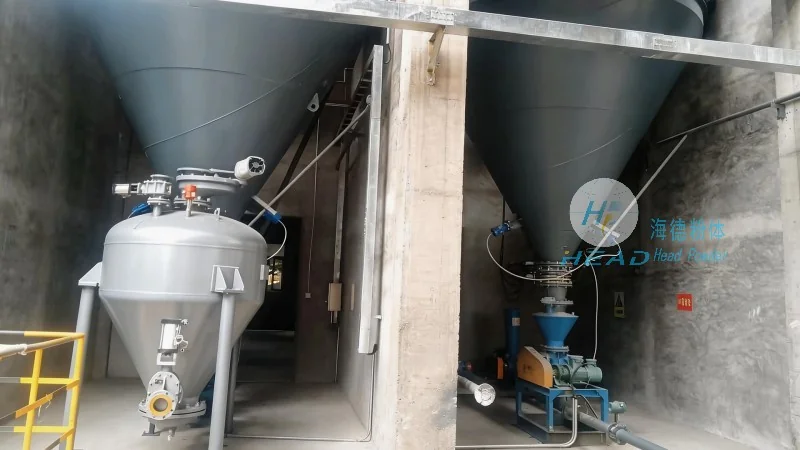
Negative Pressure Pneumatic Conveying Mode
Negative pressure systems, also known as suction or vacuum systems, create a lower pressure inside the conveying line compared to the ambient air. This vacuum draws the powder particles into the system, moving them from the source to the destination. This mode is commonly used for short-distance transport or when the material needs to be collected from multiple points. The negative pressure approach is generally more energy-efficient for short runs and can be less complex to install. Nevertheless, it may struggle with highly abrasive or sticky powders, as the vacuum can cause material buildup and system blockages.
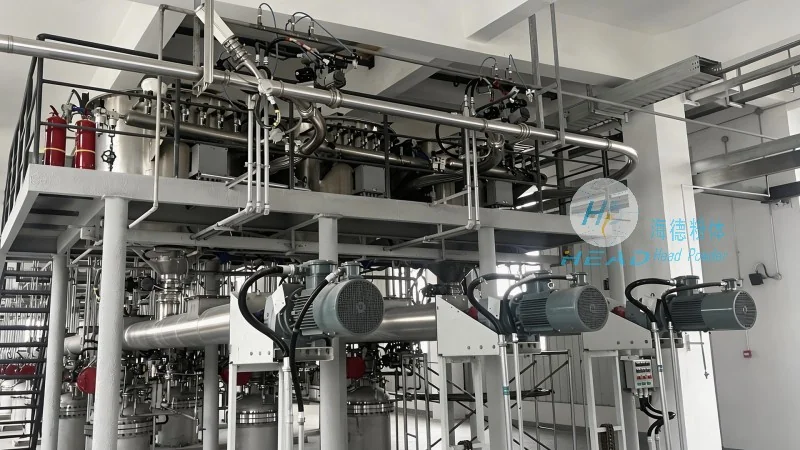
Comparison of Positive and Negative Pressure Modes
When selecting a pneumatic conveying system for carbon additive powders, several factors must be considered. The distance of the transport line is a primary determinant. Positive pressure is more suitable for long distances, often exceeding 100 meters, due to its ability to maintain consistent pressure and flow. Negative pressure is ideal for shorter distances, typically under 50 meters, where energy consumption is a key concern. Material properties also play a significant role. Positive pressure systems excel with abrasive or heavy powders, as the high pressure prevents particle separation and maintains uniform flow. Negative pressure may be better suited for lighter, less abrasive materials that are less likely to cause blockages.
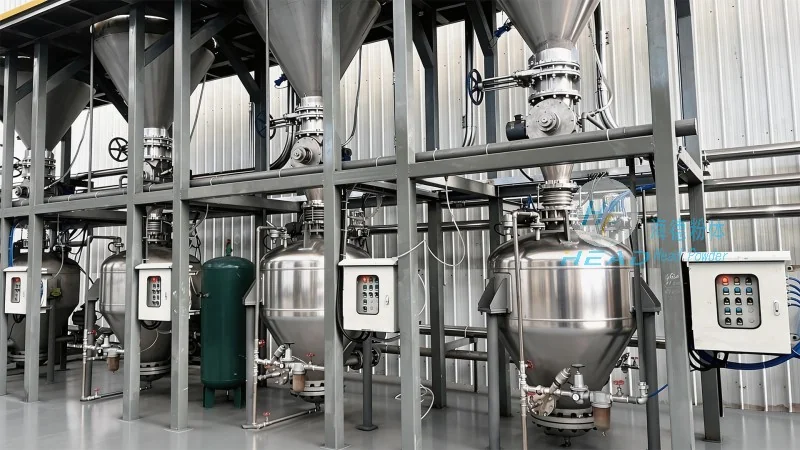
Application Scenarios and Practical Considerations
The choice between positive and negative pressure modes should align with the specific requirements of the industrial process. For instance, in steelmaking facilities, where carbon additives are transported over long distances to the furnace, a positive pressure system is often preferred for its reliability and capacity. Conversely, in smaller-scale applications or for collecting carbon additives from a hopper, a negative pressure system may be more cost-effective. Maintenance is another critical factor. Positive pressure systems may require more frequent maintenance of blowers and filters due to higher air flow, while negative pressure systems can have more issues with vacuum pumps and material buildup in the suction line.
Conclusion
In conclusion, both positive and negative pressure pneumatic conveying modes offer viable solutions for transporting carbon additive powders. The selection depends on factors such as transport distance, material characteristics, and energy efficiency. Understanding the strengths and limitations of each mode enables industrial operators to optimize their material handling processes, ensuring efficiency, reliability, and cost-effectiveness. As technology advances, ongoing improvements in system design and material handling will continue to enhance the performance of these pneumatic conveying systems.