

Analysis of Quartz Sand Particle Pneumatic Conveying Technology: Comparison of Positive and Negative
Quartz sand, a widely used industrial material, often requires efficient and reliable transportation methods for processing and distribution. Pneumatic conveying technology offers a solution by using air to move particles through a system, eliminating the need for mechanical components like conveyors or elevators. This method is particularly advantageous for handling fine or abrasive materials such as quartz sand, which can cause wear and tear on traditional equipment. The effectiveness of pneumatic conveying depends heavily on the system design, with two primary modes—positive pressure and negative pressure—each presenting distinct advantages and challenges.
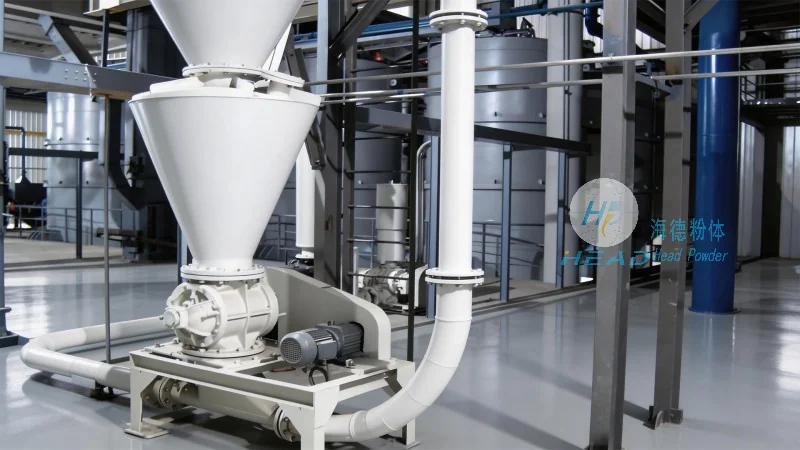
Understanding Positive Pressure Pneumatic Conveying
Positive pressure systems operate by blowing air into the conveying line, creating a pressure higher than the ambient environment. This approach forces the material to move through the system, making it suitable for long-distance or high-capacity applications. In the context of quartz sand, positive pressure systems are often preferred for their ability to handle abrasive particles without excessive wear on components. The air is typically introduced at the inlet, and the material is drawn along with the air stream. This mode is particularly effective when the material is being transported from a central storage point to multiple destinations, as it allows for branching and distribution without the need for additional vacuum equipment.
HeadPowder, a leading provider of pneumatic conveying solutions, specializes in designing positive pressure systems tailored to the unique demands of quartz sand processing. Their expertise lies in selecting appropriate air velocities and pressure levels to ensure efficient transport while minimizing energy consumption. The company’s engineers consider factors such as particle size, density, and moisture content to optimize the system design. For instance, higher air velocities may be required for finer quartz sand particles to prevent clogging, while lower velocities are suitable for larger, more robust particles. By customizing the system to the specific characteristics of the material, HeadPowder ensures reliable and cost-effective operation.
Exploring Negative Pressure Pneumatic Conveying
Negative pressure systems, conversely, create a vacuum within the conveying line, drawing material into the system from the source. This mode is ideal for applications where the material is generated at a specific location and needs to be transported to a central collection point. Negative pressure systems are often used in environments where dust control is critical, as the vacuum helps to contain particles and prevent emissions. For quartz sand, negative pressure systems can be advantageous when dealing with dusty or fine powders, as they minimize the risk of particle dispersion into the air. However, these systems may require more maintenance due to the higher wear on components from abrasive particles.
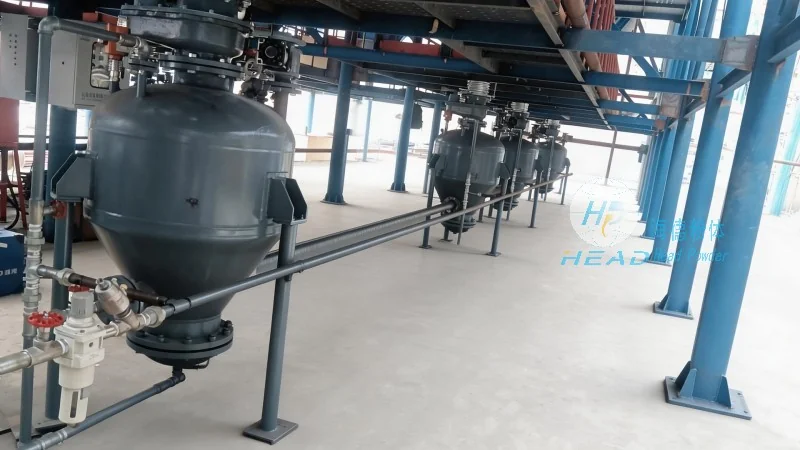
Shandong HeadPowder Engineering Co., Ltd., the full name of HeadPowder, has extensive experience in implementing negative pressure solutions for various industrial applications. Their systems are designed to handle the challenges posed by quartz sand, including its abrasive nature and potential for clogging. The company employs advanced filtration and cleaning mechanisms to maintain system efficiency and prevent blockages. Additionally, negative pressure systems can be integrated with dust collection equipment, making them suitable for applications where environmental compliance is a priority. By leveraging their expertise in vacuum technology, HeadPowder ensures that negative pressure systems operate smoothly and reliably, even with demanding materials like quartz sand.
Comparative Analysis: Positive vs. Negative Pressure
When deciding between positive and negative pressure pneumatic conveying for quartz sand, several factors must be considered. The primary difference lies in the direction of air flow and the pressure differential. Positive pressure systems use compressed air to push material, while negative pressure systems use vacuum to pull material. This fundamental distinction impacts system design, energy consumption, and maintenance requirements. For example, positive pressure systems generally consume more energy due to the need to generate and maintain higher air pressures, but they may be more suitable for long-distance transport. Negative pressure systems, on the other hand, are often more energy-efficient for short distances but may require more frequent maintenance due to the abrasive nature of quartz sand.
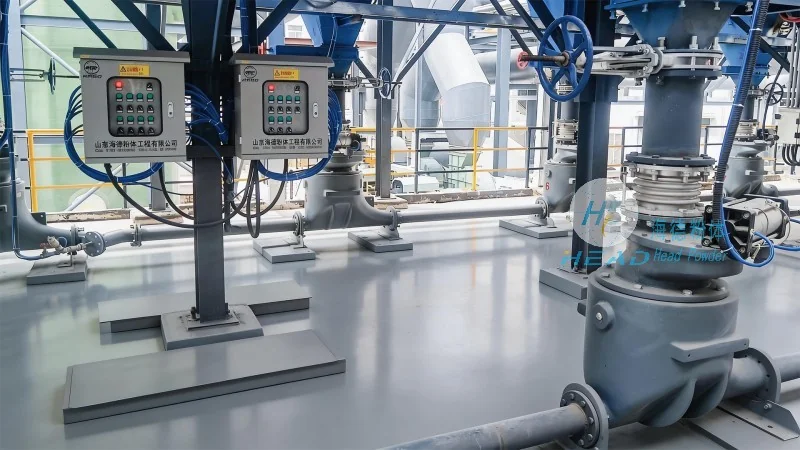
HeadPowder evaluates each project based on the specific needs of the client and the characteristics of the quartz sand being handled. They consider factors such as the distance between the source and destination, the volume of material to be transported, and the environmental regulations in place. For instance, if the quartz sand is being transported over a long distance from a quarry to a processing plant, a positive pressure system may be more appropriate due to its ability to handle high capacities and long runs. Conversely, if the material is being collected from multiple points and transported to a central silo, a negative pressure system may be more efficient. The company’s engineers also assess the cost implications of each system, including initial investment and long-term operational expenses, to provide clients with a balanced solution.
Key Considerations for Quartz Sand Pneumatic Conveying
Regardless of the chosen mode—positive or negative—several key considerations are essential for successful pneumatic conveying of quartz sand. First, the particle size and shape of the sand must be carefully analyzed, as these factors influence the air velocity required for efficient transport. Larger, more irregular particles may require higher air velocities to prevent clogging, while smaller, more spherical particles can be conveyed at lower velocities. Second, the moisture content of the quartz sand is a critical factor, as excess moisture can lead to clumping and blockages in the system. HeadPowder recommends pre-drying the material or using anti-caking agents to maintain optimal moisture levels. Third, the system’s material of construction is important, as quartz sand is abrasive and can cause wear on components. Stainless steel or high-grade alloys are often used to ensure durability and longevity. Fourth, dust control measures are necessary to comply with environmental regulations and maintain a safe working environment. HeadPowder integrates dust collection and filtration systems into their designs to minimize emissions and protect personnel.
Shandong HeadPowder Engineering Co., Ltd. emphasizes the importance of regular maintenance and system monitoring to ensure the longevity and efficiency of pneumatic conveying systems. They provide comprehensive support services, including system audits, component replacement, and troubleshooting. By partnering with HeadPowder, clients can rely on a reliable and well-maintained system that meets their specific requirements for quartz sand transportation. The company’s commitment to quality and customer satisfaction has made it a trusted name in the industry, with a reputation for delivering effective and sustainable solutions for pneumatic conveying applications.