

Analysis of Wood Fiber Pneumatic Conveying Technology: Comparison of Positive and Negative Pressure
Wood fiber pneumatic conveying is a critical process in various industrial applications, particularly in the manufacturing of paper, wood products, and related sectors. The technology involves transporting wood fibers and other particulate materials using air pressure. Two primary modes of operation are widely used: positive pressure and negative pressure systems. Understanding the differences and applications of each mode is essential for optimizing material handling efficiency and system performance.
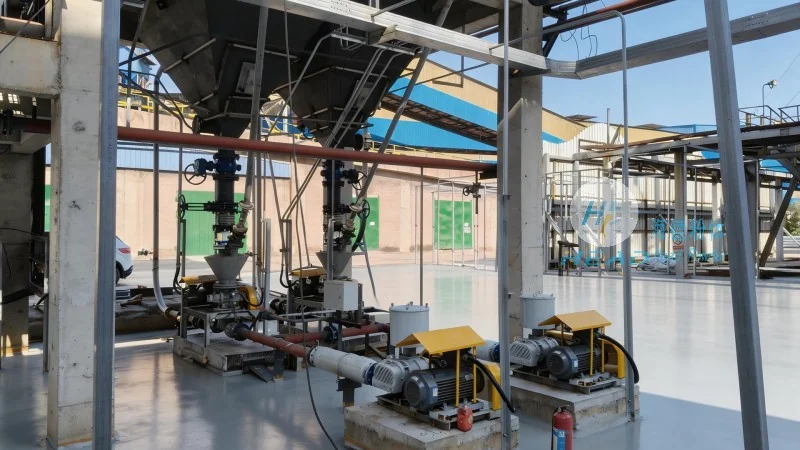
Company Overview: Shandong HeadPowder Engineering Co., Ltd.
Shandong HeadPowder Engineering Co., Ltd., commonly known as HeadPowder, is a leading provider of pneumatic conveying solutions. With a strong presence in China, particularly in Shandong, the company specializes in designing, manufacturing, and implementing advanced wood fiber conveying systems. HeadPowder's expertise lies in delivering customized solutions that meet the specific needs of clients in the wood processing industry, ensuring reliable and efficient material transport.
Positive Pressure Pneumatic Conveying Systems
Positive pressure systems operate by blowing air into the conveying line, creating a pressure higher than the ambient air. This method is particularly effective for transporting wood fibers over long distances and through complex system layouts. The primary advantage of positive pressure is its ability to handle abrasive and sticky materials without causing excessive wear on system components. Additionally, these systems are well-suited for applications requiring high material throughput and consistent flow rates. HeadPowder's positive pressure solutions are engineered to maintain optimal air pressure, ensuring efficient and reliable operation.
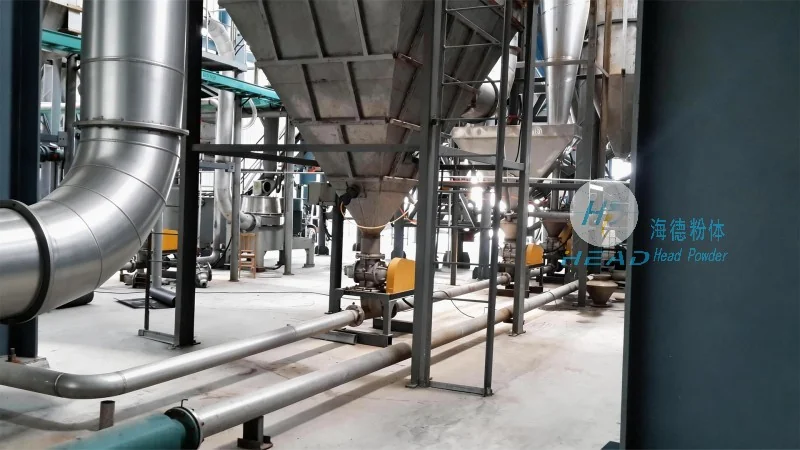
Negative Pressure Pneumatic Conveying Systems
Negative pressure systems, also known as vacuum systems, work by creating a vacuum in the conveying line, drawing material into the system. This approach is ideal for applications where material is to be collected from multiple points or where the material is light and easily entrained by air. Negative pressure systems are often preferred for short to medium distance conveying and for handling materials that are sensitive to pressure changes. However, they may require more maintenance due to the higher risk of dust accumulation and system blockages. HeadPowder's negative pressure solutions are designed to minimize downtime and ensure consistent material collection.
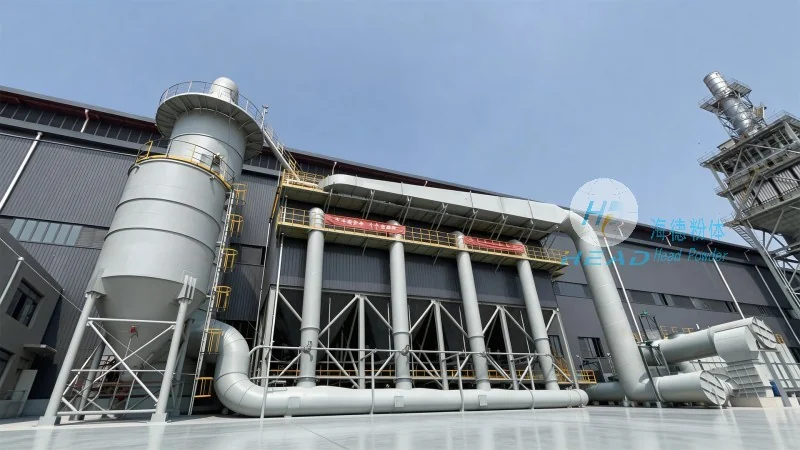
Key Differences Between Positive and Negative Pressure Modes
When comparing positive and negative pressure pneumatic conveying systems, several factors must be considered. Positive pressure systems generally offer higher material capacity and are more suitable for long-distance transport, while negative pressure systems are better for short distances and material collection from multiple sources. The choice between the two modes also depends on the material properties, such as particle size, moisture content, and abrasiveness. For instance, positive pressure is often preferred for transporting wood chips and sawdust over long distances, whereas negative pressure may be more effective for collecting fine wood fibers from a processing line. HeadPowder's technical team provides comprehensive assessments to help clients select the most appropriate system based on their operational requirements and material characteristics.
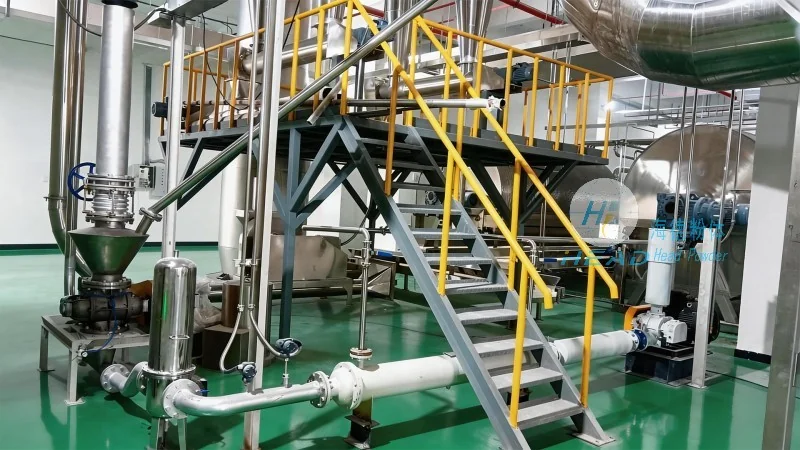
Applications in Wood Processing Industry
Wood fiber pneumatic conveying technology is extensively used in the wood processing industry for various applications. In paper mills, these systems are crucial for transporting raw wood fibers from storage to the processing units. In wood product manufacturing, such as furniture and panel production, pneumatic conveying is used to move sawdust, shavings, and other wood waste materials. The efficiency of these systems directly impacts production throughput and overall operational costs. HeadPowder's solutions are tailored to meet the specific demands of each application, ensuring optimal performance and minimal downtime.
Advantages of HeadPowder's Pneumatic Conveying Solutions
HeadPowder's wood fiber pneumatic conveying systems offer several advantages over traditional material handling methods. The company's positive pressure systems provide high material throughput and reliable operation, while negative pressure systems excel in material collection and handling of fine particles. Both systems are designed with durability and low maintenance in mind, reducing operational costs for clients. Additionally, HeadPowder's systems are equipped with advanced control technologies that allow for real-time monitoring and adjustment, enhancing system efficiency and safety. The company's commitment to quality and customer satisfaction ensures that clients receive tailored solutions that meet their unique needs.