

[Epoxy Resin Pneumatic Conveying Technology Analysis: Comparison of Positive Pressure and Negative P
HeadPowder, a leading provider in the field of material handling solutions, specializes in advanced pneumatic conveying systems for epoxy resin applications. This article provides a detailed analysis of the two primary modes used in epoxy resin pneumatic conveying: positive pressure and negative pressure systems. Understanding the differences and advantages of each mode is crucial for selecting the most suitable system for industrial applications.
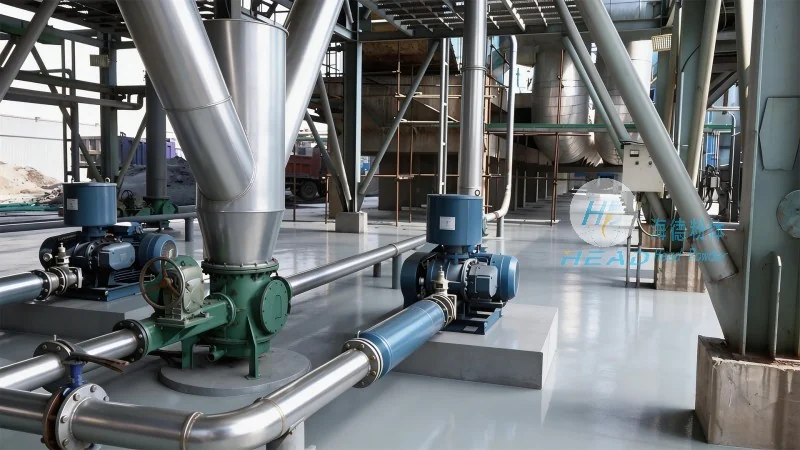
Overview of Pneumatic Conveying Systems
Pneumatic conveying is a method of transporting bulk materials, such as powders and granules, using air or other gases. In the context of epoxy resin, which is a thermosetting polymer commonly used in coatings, adhesives, and composites, efficient and reliable material transport is essential for maintaining product quality and operational efficiency. The choice between positive pressure and negative pressure systems depends on factors like material characteristics, system layout, and operational requirements.
Positive Pressure Pneumatic Conveying
Positive pressure systems operate by blowing air or gas into the conveying line, creating a pressure higher than the ambient air pressure. This method is particularly effective for transporting epoxy resin powders over long distances or through complex system layouts. The high-pressure air forces the material through the pipeline, ensuring consistent flow rates and minimal material degradation. HeadPowder's positive pressure systems are designed with robust components, including high-capacity blowers and specialized valves, to handle the specific demands of epoxy resin. These systems are ideal for applications requiring high throughput and the ability to convey materials over extended distances without significant pressure loss.
Negative Pressure Pneumatic Conveying
Negative pressure systems, also known as vacuum systems, work by creating a vacuum in the conveying line, drawing material from the source into the system. This approach is often preferred for applications where the material needs to be transported from a confined space or where dust control is a priority. The vacuum draws the epoxy resin powder into the pipeline, and the air is then filtered and released. HeadPowder's negative pressure systems incorporate advanced filtration and air purification components to ensure compliance with environmental regulations and to maintain a clean working environment. These systems are suitable for applications where material handling is required in enclosed areas or where the risk of dust dispersion needs to be minimized.
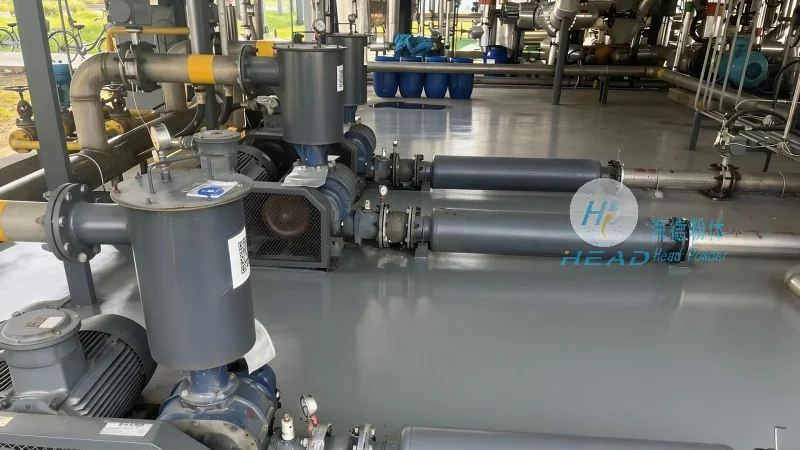
Key Considerations for System Selection
When choosing between positive pressure and negative pressure pneumatic conveying for epoxy resin, several factors must be considered. The first is the material's physical properties, such as particle size, moisture content, and flowability. Epoxy resin powders can be sensitive to moisture and may require a system that minimizes exposure to air. Positive pressure systems can be more effective in maintaining low moisture levels, as the material is not exposed to the ambient air for extended periods. Conversely, negative pressure systems may be better suited for applications where the material is already in a dry, enclosed environment.
Another critical factor is the system layout and the distance over which the material needs to be conveyed. Positive pressure systems are generally more suitable for long-distance transport due to their ability to maintain higher pressure and flow rates. Negative pressure systems, while effective for shorter distances or confined spaces, may experience pressure drop over longer runs, potentially reducing material throughput. Operational requirements, such as the need for dust control or the presence of other materials in the system, also influence the choice. For instance, negative pressure systems are often preferred in environments where dust suppression is essential to prevent contamination or health hazards.
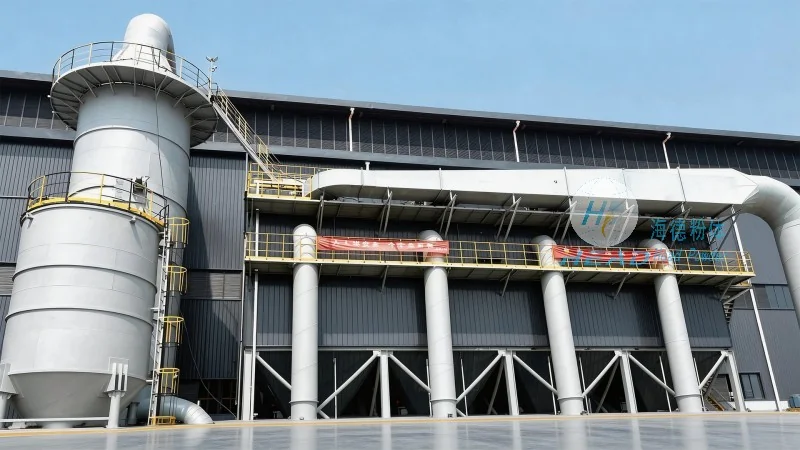
HeadPowder's Expertise in Epoxy Resin Pneumatic Conveying
Shandong HeadPowder Engineering Co., Ltd., based in China, has established itself as a trusted partner in providing customized pneumatic conveying solutions for epoxy resin applications. The company's engineers and technicians possess extensive experience in designing and implementing both positive and negative pressure systems tailored to specific customer needs. HeadPowder's approach involves a thorough analysis of the material characteristics, operational parameters, and site conditions to develop a system that maximizes efficiency and reliability. The company's commitment to quality and innovation ensures that its customers receive state-of-the-art equipment that meets industry standards and regulatory requirements.
HeadPowder's positive pressure systems are equipped with high-efficiency blowers that deliver consistent air pressure, ensuring smooth material transport. The systems are designed with durable materials to withstand the corrosive nature of epoxy resin and to prevent material buildup in the pipeline. For negative pressure systems, the company incorporates advanced filtration technology to capture fine particles and to maintain a clean air environment. This not only protects the equipment but also ensures that the epoxy resin remains free from contaminants, which is crucial for maintaining the quality of the final product.
Conclusion
Both positive pressure and negative pressure pneumatic conveying systems offer viable solutions for epoxy resin transport, each with its own set of advantages and considerations. Positive pressure systems excel in long-distance and high-throughput applications, while negative pressure systems are better suited for confined spaces and dust control. The choice ultimately depends on the specific requirements of the application. HeadPowder, with its expertise and customized solutions, provides reliable and efficient pneumatic conveying systems that meet the diverse needs of the epoxy resin industry. By understanding the differences between these systems and leveraging the company's technical capabilities, businesses can optimize their material handling processes and enhance overall operational performance.