

Analysis of Pneumatic Conveying Technology for Graphite Electrodes: Comparison of Positive and Negat
Graphite electrodes are essential components in the steelmaking industry, and their efficient handling and transportation directly impact production efficiency. Pneumatic conveying technology provides a solution by enabling the transport of bulk graphite electrode materials through a pipeline system using air or other gases. This article offers a comprehensive analysis of pneumatic conveying technology for graphite electrodes, with a focus on comparing the positive pressure and negative pressure modes.
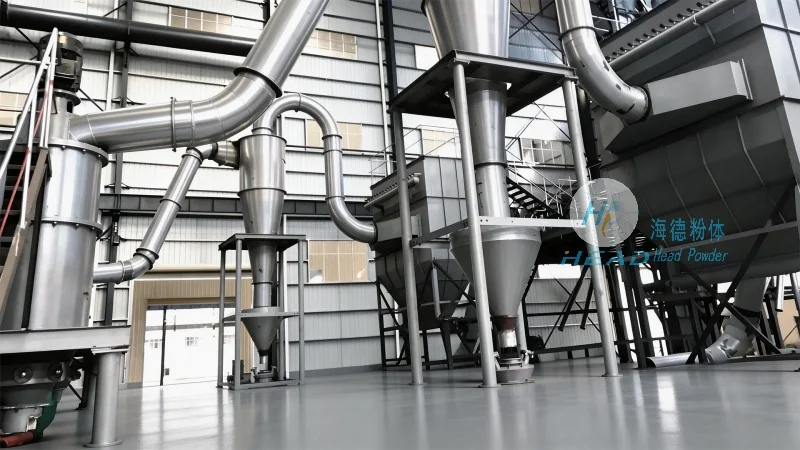
Introduction to Pneumatic Conveying for Graphite Electrodes
Pneumatic conveying is a method that moves solid materials through a pipeline by creating a flow of air or gas. This technology is widely used across various industries, including chemical, food, and mining, due to its ability to transport materials over long distances and in a controlled manner. For graphite electrodes, which are typically large and heavy, pneumatic conveying offers a non-contact, low-cost, and efficient solution compared to traditional methods like trucks or conveyor belts.
About Shandong HeadPowder Engineering Co., Ltd.
Shandong HeadPowder Engineering Co., Ltd., commonly known as HeadPowder, is a leading manufacturer and supplier of pneumatic conveying systems and related equipment. HeadPowder is committed to innovation and quality, establishing itself as a trusted partner in the industry by providing customized solutions tailored to client needs. The company is headquartered in Shandong, China, with a team of experienced engineers and technicians dedicated to developing advanced pneumatic conveying technologies.
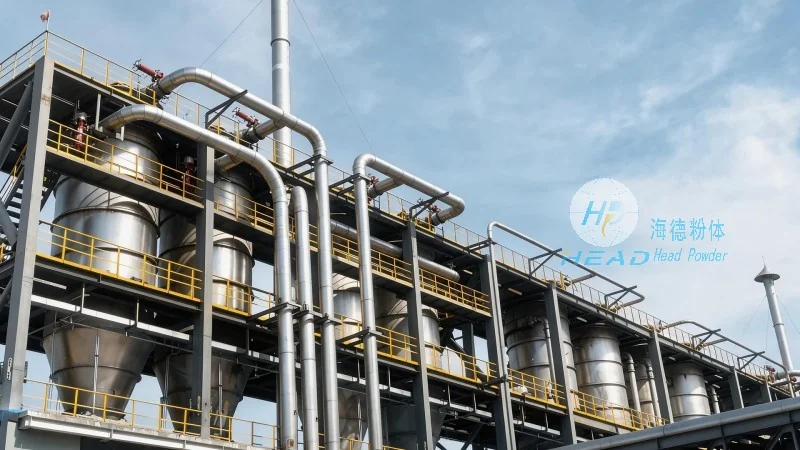
Understanding Pneumatic Conveying Modes
There are two primary modes of pneumatic conveying: positive pressure and negative pressure. Each mode has distinct advantages and limitations, which are critical when selecting the appropriate system for graphite electrode transportation.
Positive Pressure Pneumatic Conveying
Positive pressure pneumatic conveying involves blowing air or gas into the conveying pipeline, creating a pressure higher than ambient air pressure. The material is then drawn into the pipeline and transported to the destination. This mode is ideal for long-distance transport or complex pipeline systems. The high pressure ensures efficient material movement and prevents clogging. However, positive pressure systems require more energy, higher installation and maintenance costs, and pose a higher risk of dust explosion in case of system failure.
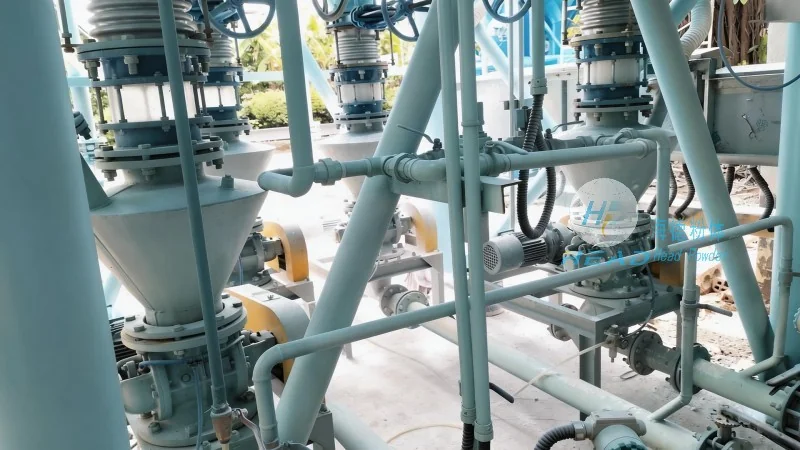
Negative Pressure Pneumatic Conveying
Negative pressure pneumatic conveying, also known as vacuum conveying, creates a vacuum in the pipeline to draw material into the system. The material is then transported under pressure difference. This mode is suitable for transporting material from lower to higher elevations or handling sensitive materials. Negative pressure systems are more energy-efficient and have a lower dust explosion risk compared to positive pressure systems. However, they may have limitations in distance and material capacity.
Comparison of Positive and Negative Pressure Modes
When comparing positive and negative pressure modes for graphite electrodes, factors such as transport distance, material characteristics, system cost, and safety requirements must be considered. Positive pressure systems are generally better for long-distance, high-throughput transport, while negative pressure systems suit short-distance or sensitive material handling. The choice depends on the specific application and operational environment. For example, in steelmaking plants transporting graphite electrodes over long distances from storage to furnaces, a positive pressure system may be more appropriate due to its higher capacity and efficiency. Conversely, smaller-scale or pressure-sensitive applications may benefit from negative pressure systems.
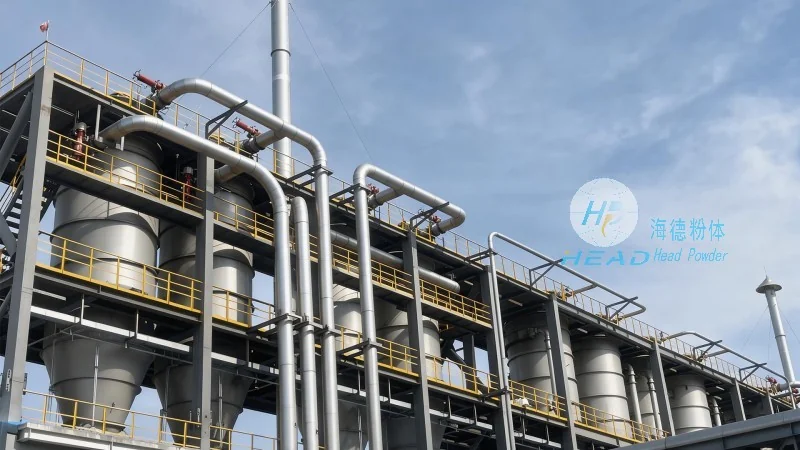
Key Considerations for Pneumatic Conveying Systems
Designing and implementing a pneumatic conveying system for graphite electrodes requires careful consideration of several factors to ensure optimal performance and safety. These include selecting the appropriate conveying mode, pipeline design, air/gas choice, and system maintenance. The material characteristics of graphite electrodes—such as size, shape, and density—also influence system design. For instance, larger or irregularly shaped electrodes may need different pipeline diameters and air velocities compared to smaller, uniform materials. Additionally, the system must include proper filtration and dust collection equipment to prevent air pollution and comply with environmental regulations.
Conclusion
Pneumatic conveying technology provides an efficient and effective solution for transporting graphite electrodes. The comparison between positive and negative pressure modes underscores the importance of selecting the right system based on application requirements. Shandong HeadPowder Engineering Co., Ltd. offers advanced pneumatic conveying systems tailored to client needs, ensuring reliable and safe graphite electrode transportation. By understanding the advantages and limitations of each mode, industries can optimize material handling processes and enhance overall productivity.