

Analysis of Sulfate Ferrous Fertilizer Pneumatic Conveying Technology: Positive Pressure vs. Negativ
Sulfate ferrous fertilizer is a vital component in modern agricultural practices, supplying essential iron and sulfur nutrients to soil and crops. The efficient transportation of this fertilizer from production sites to application areas is critical for maintaining productivity and sustainability. Pneumatic conveying technology offers a reliable solution for handling bulk materials like sulfate ferrous fertilizer, with two primary modes—positive pressure and negative pressure—each presenting distinct advantages and considerations.
Understanding Pneumatic Conveying Systems
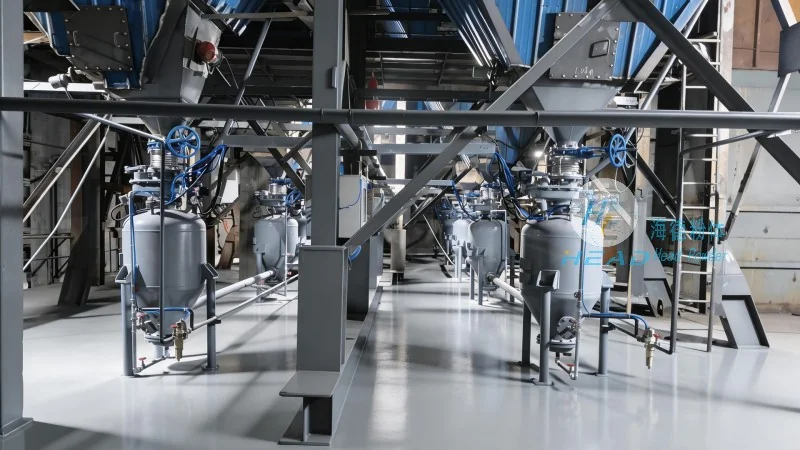
Pneumatic conveying systems utilize air or gas to transport bulk materials through a pipeline network. The choice between positive pressure and negative pressure systems depends on factors such as material properties, distance, and operational requirements. Positive pressure systems force air into the system, pushing material through the pipeline, while negative pressure systems create a vacuum to draw material into the system.
Positive Pressure Pneumatic Conveying
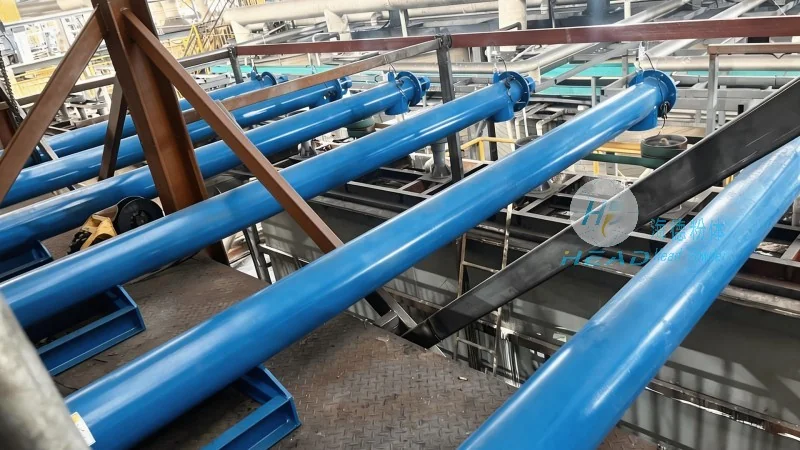
Positive pressure systems operate by blowing air into the conveying line, creating a pressure higher than the ambient air pressure. This method is particularly effective for transporting sulfate ferrous fertilizer over long distances or through complex pipeline networks. The high pressure ensures consistent material flow and minimizes the risk of blockages. HeadPowder, a leading provider in the field, specializes in designing and implementing positive pressure systems tailored to the specific needs of fertilizer handling operations.
Key Advantages of Positive Pressure Conveying
One of the primary benefits of positive pressure systems is their ability to handle abrasive or sticky materials without causing excessive wear on the equipment. This is particularly relevant for sulfate ferrous fertilizer, which may contain particles that could damage traditional conveying mechanisms. Additionally, positive pressure systems allow for higher conveying velocities, reducing the overall time required for material transport. The controlled air pressure also helps maintain the integrity of the fertilizer, preventing clumping or degradation during transit.
Challenges and Considerations
Despite its advantages, positive pressure systems require robust equipment capable of withstanding high pressures. This can increase initial investment costs and maintenance requirements. Furthermore, the high air volume and pressure may lead to higher energy consumption compared to other methods. Proper sealing and filtration are also critical to prevent air leaks and maintain system efficiency.
Negative Pressure Pneumatic Conveying
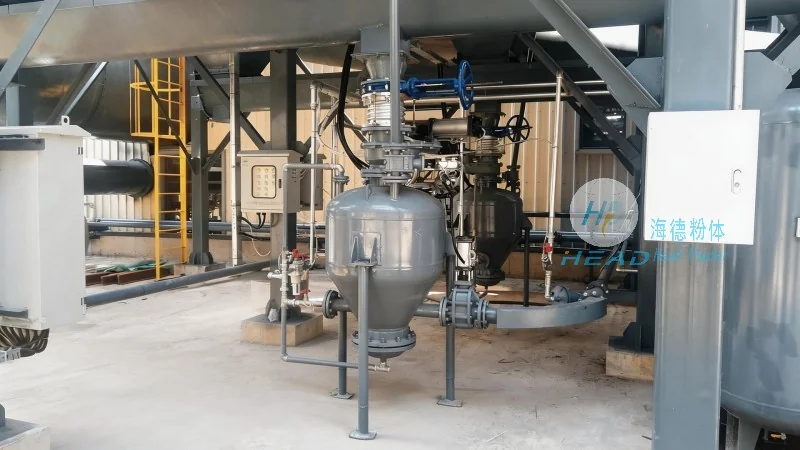
Negative pressure systems, on the other hand, create a vacuum in the conveying line, drawing material from the source into the system. This approach is often preferred for shorter distances or when the material is already in a relatively dry state. The lower pressure and air volume in negative pressure systems can reduce energy consumption and equipment wear, making them more cost-effective for certain applications.
Key Advantages of Negative Pressure Conveying
One significant advantage of negative pressure systems is their lower energy consumption and reduced equipment wear. This makes them suitable for applications where the distance is short and the material is less abrasive. Additionally, negative pressure systems are generally easier to install and maintain, as they do not require high-pressure pumps or compressors. The vacuum created also helps prevent dust emissions, making them more environmentally friendly in some scenarios.
Challenges and Considerations
However, negative pressure systems are more susceptible to blockages and material buildup, especially with wet or sticky sulfate ferrous fertilizer. The vacuum can also lead to air leakage if the system is not properly sealed, reducing efficiency. Furthermore, the lower conveying velocity may result in longer transit times for larger quantities of material.
Comparative Analysis: Positive vs. Negative Pressure
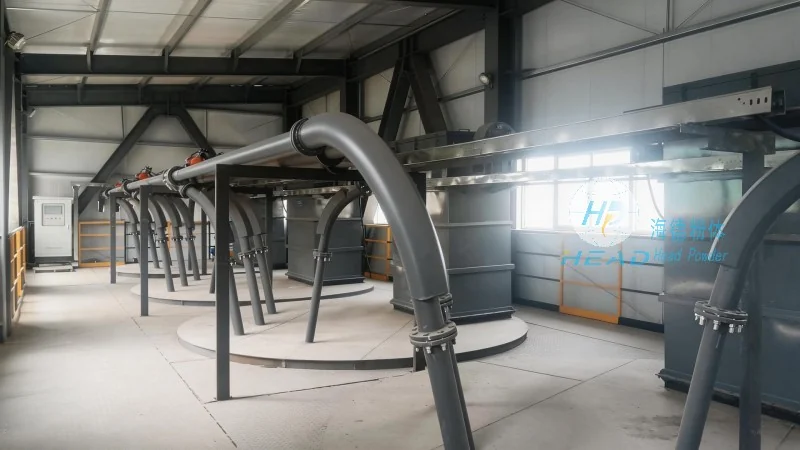
When deciding between positive and negative pressure pneumatic conveying for sulfate ferrous fertilizer, several factors must be considered. The distance of the conveying line, the material's physical properties (such as moisture content and particle size), and the required throughput are all critical. For long-distance or high-volume applications, positive pressure systems are often more efficient and reliable. Conversely, for shorter distances or applications requiring lower energy consumption, negative pressure systems may be a more cost-effective solution.
HeadPowder's Expertise in Pneumatic Conveying
Shandong HeadPowder Engineering Co., Ltd., commonly known as HeadPowder, is a trusted name in the pneumatic conveying industry. With years of experience, HeadPowder specializes in designing customized solutions for fertilizer handling, including both positive and negative pressure systems. The company's engineers work closely with clients to assess their specific needs, ensuring optimal performance and efficiency. HeadPowder's commitment to quality and innovation has made it a preferred partner for agricultural and industrial clients seeking reliable material transport solutions.