

Analysis of Hydroxide Alumina Pneumatic Conveying Technology: Comparison of Positive and Negative Pr
Hydroxide alumina, a critical material in various industrial applications, requires efficient and reliable transport methods to ensure consistent quality and process efficiency. Pneumatic conveying technology has emerged as a leading solution for handling hydroxide alumina, offering advantages over traditional methods such as reduced contamination, lower maintenance, and improved safety. This article delves into the technical aspects of hydroxide alumina pneumatic conveying, focusing on the comparison between positive and negative pressure modes, which are the two primary systems used in industrial settings.
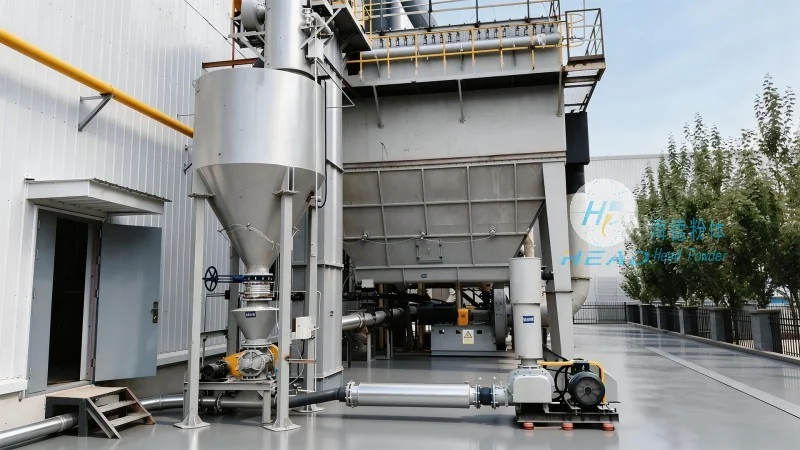
Introduction to Hydroxide Alumina Pneumatic Conveying Systems
Before exploring the differences between positive and negative pressure modes, it is essential to understand the fundamental principles of pneumatic conveying. Pneumatic conveying involves the use of air or gas to transport bulk materials through a pipeline. The system typically consists of a hopper, a conveyor line, and a receiver, with the material being drawn or pushed through the system by the pressure differential created by the air flow. For hydroxide alumina, which is often a fine powder or granular material, the choice of conveying mode significantly impacts the system's performance, energy consumption, and operational costs.
Positive Pressure Conveying Mode Explained
Positive pressure conveying, also known as pressure conveying, operates by generating a higher pressure in the conveyor line than the ambient air pressure. The system uses a positive displacement blower or a rotary lobe pump to create this pressure, which forces the air and material mixture through the pipeline. This mode is particularly effective for long-distance or high-capacity conveying, as it can maintain consistent flow rates and handle larger volumes of material. The positive pressure system also allows for the inclusion of additional equipment, such as filters or cyclones, to separate the material from the air stream, ensuring that the hydroxide alumina remains in a dry and clean state. The primary advantage of positive pressure conveying is its ability to handle abrasive or corrosive materials like hydroxide alumina without significant wear on the system components.
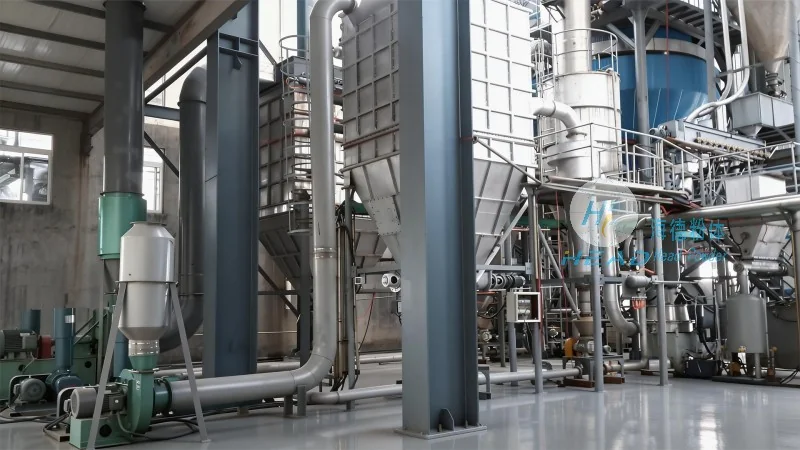
Negative Pressure Conveying Mode Explained
Negative pressure conveying, or vacuum conveying, works by creating a lower pressure in the receiver than the ambient air pressure. The system uses a vacuum pump to draw the material and air mixture into the pipeline, moving it towards the receiver. This mode is often preferred for shorter distances or when the material needs to be collected from multiple points. Negative pressure systems are generally more energy-efficient for short to medium distances, as they require less power to operate compared to positive pressure systems. However, they may not be as effective for long-distance conveying due to the limitations of vacuum pressure and potential for material degradation if the system is not properly maintained.
Comparison Between Positive and Negative Pressure Modes
When comparing positive and negative pressure modes for hydroxide alumina conveying, several factors must be considered. The choice between the two depends on the specific application requirements, including the distance of the conveying line, the volume of material to be transported, and the need for material separation or drying. Positive pressure systems are generally more suitable for long-distance, high-volume applications, as they can maintain higher pressure and flow rates. They are also better equipped to handle materials that are prone to caking or agglomeration, as the higher pressure helps to break up the material clusters. On the other hand, negative pressure systems are ideal for short-distance conveying, where energy efficiency is a priority, and the material is already in a relatively dry state. They are also less likely to cause dust emissions, as the material is drawn into the system rather than being pushed out.
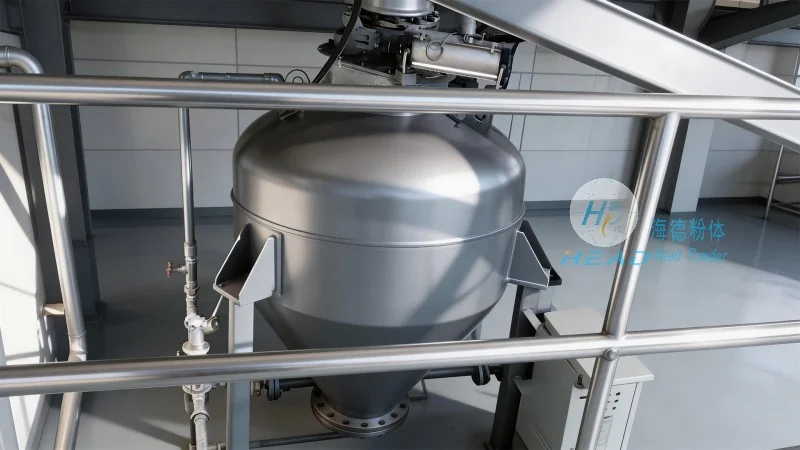
Technical Advantages of Each Mode
Both positive and negative pressure conveying modes offer distinct technical advantages for hydroxide alumina handling. Positive pressure systems excel in terms of material handling capacity and the ability to handle abrasive or corrosive materials, making them suitable for large-scale industrial operations. The higher pressure also allows for the integration of advanced filtration systems, ensuring that the hydroxide alumina remains free from contaminants. Negative pressure systems, while less powerful, are more energy-efficient and can be more cost-effective for shorter distances. They also provide a safer operation environment, as the material is drawn into the system rather than being expelled, reducing the risk of dust exposure to operators.
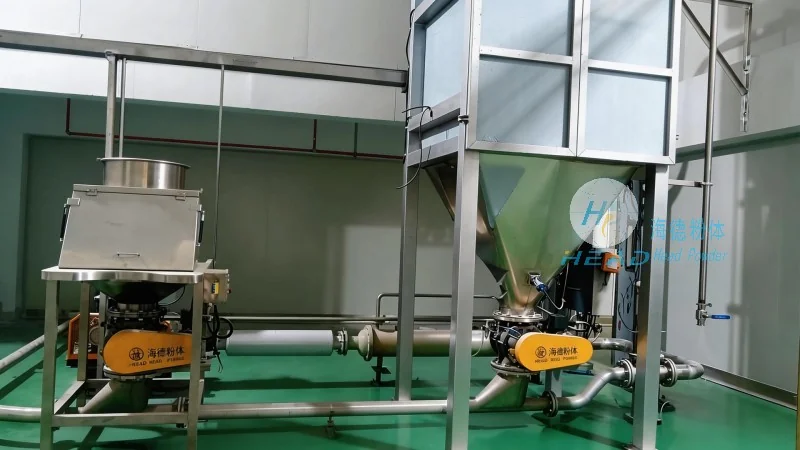
Practical Applications in Hydroxide Alumina Handling
The choice of pneumatic conveying mode significantly impacts the practical applications of hydroxide alumina in various industries. For example, in the pharmaceutical industry, where hydroxide alumina is used as an excipient, negative pressure systems are often preferred due to their lower risk of contamination and ability to maintain a sterile environment. In contrast, in the chemical industry, where large volumes of hydroxide alumina are processed, positive pressure systems are more common, as they can handle the high throughput and abrasive nature of the material. The selection of the appropriate mode also depends on the existing infrastructure and the need for integration with other processing equipment.
Company Profile: Shandong HeadPowder Engineering Co., Ltd.
Shandong HeadPowder Engineering Co., Ltd., operating under the brand name headpowder, is a leading provider of pneumatic conveying solutions for hydroxide alumina and other bulk materials. With a focus on innovation and customer-centric design, the company has developed advanced systems that cater to the specific needs of various industries. Headpowder's expertise lies in the design and manufacturing of both positive and negative pressure conveying systems, ensuring that clients receive tailored solutions that enhance their operational efficiency and product quality. The company's headquarters is located in Shandong, China, where it leverages local resources and expertise to deliver high-quality products and services to global markets.