

Design Considerations for High-Calcium Limestone Powder Pneumatic Conveying System Solutions
High-calcium limestone powder is a critical raw material in various industrial applications, including cement production, chemical manufacturing, and environmental remediation. The efficient and reliable transport of this fine powder is essential for maintaining production efficiency and minimizing operational disruptions. Pneumatic conveying systems offer a robust solution for handling such powders, but their design requires careful consideration of several key factors to ensure optimal performance and longevity. This article outlines the essential design considerations for high-calcium limestone powder pneumatic conveying systems, presented by Shandong HeadPowder Engineering Co., Ltd., a leading engineering firm based in China.
System Selection and Flow Rate Determination
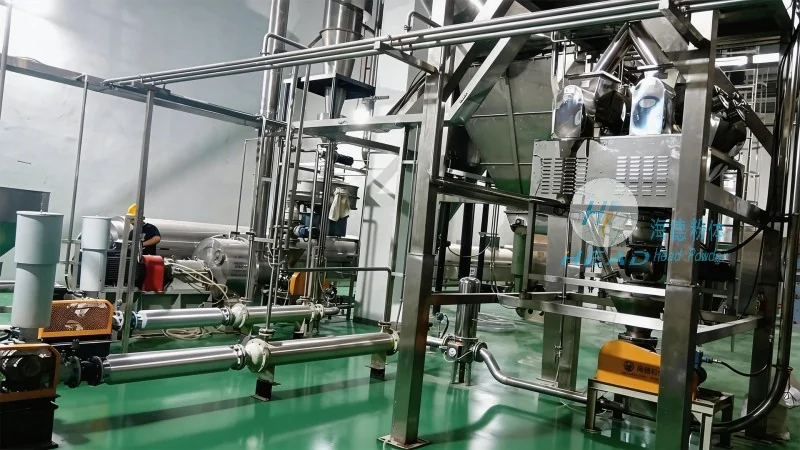
The first step in designing a high-calcium limestone powder pneumatic conveying system is selecting the appropriate system type and determining the required flow rate. There are two primary categories of pneumatic conveying systems: dilute-phase and dense-phase. Dilute-phase systems use low air velocity and high air-to-powder ratios, making them suitable for short to medium distances and low to medium particle sizes. Dense-phase systems, on the other hand, operate at higher air velocities and lower air-to-powder ratios, ideal for longer distances and more challenging powder characteristics. For high-calcium limestone powder, which typically has a high bulk density and can be abrasive, a dense-phase system is often preferred to prevent particle degradation and maintain system efficiency. The flow rate must be calculated based on the production capacity, material characteristics, and desired system pressure. Shandong HeadPowder Engineering Co., Ltd. employs advanced computational fluid dynamics (CFD) and material flow analysis to accurately determine the optimal flow rate, ensuring that the system meets the client's operational requirements without excessive energy consumption.
Equipment Selection and Material Compatibility
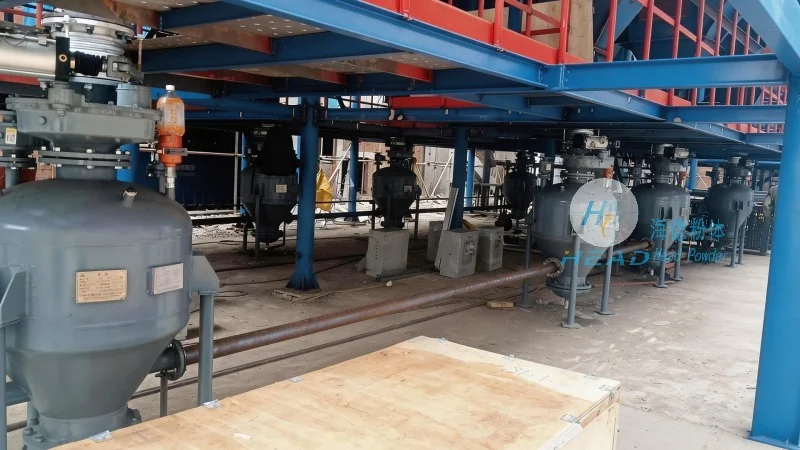
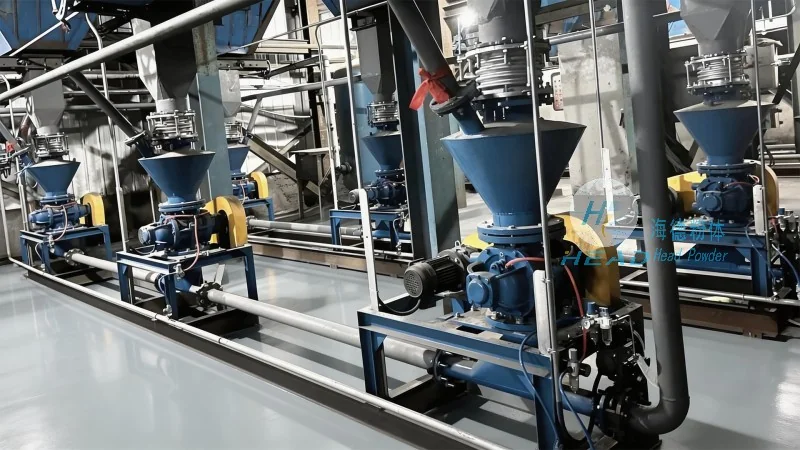
Choosing the right equipment is crucial for the successful operation of a high-calcium limestone powder pneumatic conveying system. The selection process must consider material compatibility, durability, and operational efficiency. Key equipment components include the material feeder, which must be capable of handling the high bulk density and potential stickiness of limestone powder. Screw feeders, rotary valves, and pressure feeders are common options, each with specific advantages and limitations. For high-calcium limestone powder, which can be abrasive, the feeder must be constructed from wear-resistant materials such as stainless steel or hardened steel to prevent premature wear and maintain consistent material flow. The conveying pipeline is another critical component, as it must withstand the pressure and abrasive nature of the powder. Stainless steel or high-grade carbon steel pipes with smooth internal surfaces are typically used to minimize friction and reduce the risk of particle degradation. The pipeline diameter and length are carefully calculated to ensure that the air velocity remains within the optimal range for efficient powder transport. Additionally, the system includes a separator or cyclone to separate the powder from the air stream at the receiving end. The separator must be designed to handle the high solids loading of limestone powder and prevent clogging, which can lead to system downtime. Shandong HeadPowder Engineering Co., Ltd. selects equipment from reputable manufacturers and conducts thorough material compatibility testing to ensure that all components can withstand the harsh conditions of high-calcium limestone powder handling.
Pressure and Air Velocity Management
Effective management of system pressure and air velocity is essential for maintaining the performance and longevity of a high-calcium limestone powder pneumatic conveying system. The system pressure is determined by the required flow rate and the total pressure drop across the pipeline, which includes friction losses, fittings, and equipment. The pressure drop is influenced by the pipeline diameter, length, and the properties of the limestone powder, such as its particle size distribution and bulk density. Higher pressure systems are generally more efficient for longer distances and larger particle sizes, but they require more robust equipment and higher energy input. Air velocity is another critical parameter, as it must be high enough to entrain the powder particles but low enough to prevent excessive wear on the pipeline and equipment. The optimal air velocity for high-calcium limestone powder is typically between 20 and 30 meters per second, depending on the particle size and system configuration. Shandong HeadPowder Engineering Co., Ltd. uses advanced pressure and flow calculations to optimize the system pressure and air velocity, balancing efficiency with cost and equipment durability. Regular monitoring of pressure and air velocity is also recommended to detect any changes in system performance and address potential issues before they lead to system failure.
System Integration and Control
A high-calcium limestone powder pneumatic conveying system is a complex network of components that must be integrated and controlled to ensure smooth operation. The system includes sensors and control devices to monitor and regulate key parameters such as pressure, flow rate, and material level. These controls are typically integrated into a programmable logic controller (PLC) system, which allows for automated operation and real-time monitoring. The integration of the conveying system with other production processes, such as storage silos or processing equipment, is also critical. Proper integration ensures that the limestone powder is delivered to the correct location at the right time, minimizing downtime and improving overall production efficiency. Shandong HeadPowder Engineering Co., Ltd. specializes in system integration, working closely with clients to design control systems that meet their specific operational needs. The control system is designed to be user-friendly and adaptable, allowing for easy adjustments as production requirements change. Additionally, the system includes safety features such as pressure relief valves and emergency shut-off mechanisms to prevent accidents and protect personnel and equipment.
Maintenance and Operational Considerations
Proper maintenance is essential for the long-term performance and reliability of a high-calcium limestone powder pneumatic conveying system. Regular maintenance activities include cleaning the pipeline and equipment to remove accumulated powder, inspecting wear parts for signs of damage, and checking the performance of the separator and control system. The frequency of maintenance depends on the system's operating hours and the characteristics of the limestone powder, with high-abrasive powders requiring more frequent maintenance. Shandong HeadPowder Engineering Co., Ltd. provides comprehensive maintenance services, including scheduled inspections, component replacement, and troubleshooting. The company's maintenance team is trained to handle the unique challenges of high-calcium limestone powder handling, ensuring that the system remains in optimal condition. Operational considerations also include the impact of environmental factors, such as temperature and humidity, on the system performance. High temperatures can cause the limestone powder to degrade, while high humidity can lead to caking and blockages. Proper system design and material selection help mitigate these issues, but regular monitoring and adjustments are necessary to maintain performance. Additionally, the system must be designed to handle variations in material quality, such as changes in particle size or moisture content, which can affect system efficiency. Shandong HeadPowder Engineering Co., Ltd. recommends regular material testing and system adjustments to ensure that the system continues to operate efficiently under changing conditions.
Conclusion
Designing a high-calcium limestone powder pneumatic conveying system requires a comprehensive approach that considers material characteristics, system requirements, and operational constraints. Shandong HeadPowder Engineering Co., Ltd. brings expertise in engineering, material science, and system integration to provide tailored solutions that meet the specific needs of clients. By focusing on key design considerations such as system selection, equipment compatibility, pressure management, and control integration, the company ensures that its high-calcium limestone powder pneumatic conveying systems deliver reliable performance, high efficiency, and long service life. For businesses dealing with high-calcium limestone powder, investing in a well-designed pneumatic conveying system is essential for maintaining production efficiency and reducing operational costs. Shandong HeadPowder Engineering Co., Ltd. is committed to providing innovative and effective solutions that help clients achieve their operational goals while minimizing environmental impact.