

Key Design Considerations for Limestone Powder Pneumatic Conveying System Solutions
For industrial applications involving limestone powder handling, the design of a pneumatic conveying system is critical to ensure efficient material transport, minimize downtime, and maintain product quality. This article outlines key design considerations for limestone powder pneumatic conveying systems, presented by Shandong HeadPowder Engineering Co., Ltd., a leading provider in the field with the brand name headpowder.
System Overview and Core Components
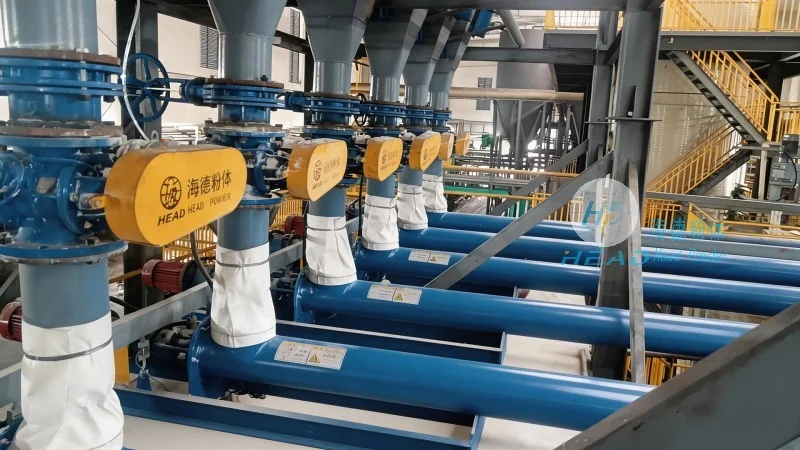
A pneumatic conveying system for limestone powder typically consists of several key components, including a material feeder, a conveying line (usually a pipeline), a gas source (air or other gas), and a receiver or discharge unit. The system operates by transporting the powder through the pipeline using a gas stream, which can be either positive pressure (where air is blown into the line) or negative pressure (where air is drawn out of the line). The choice between these two modes depends on factors such as the distance to be covered, the required flow rate, and the dust control needs.
Key Design Considerations for Limestone Powder Systems
When designing a limestone powder pneumatic conveying system, several critical factors must be considered to ensure optimal performance and reliability. These include:
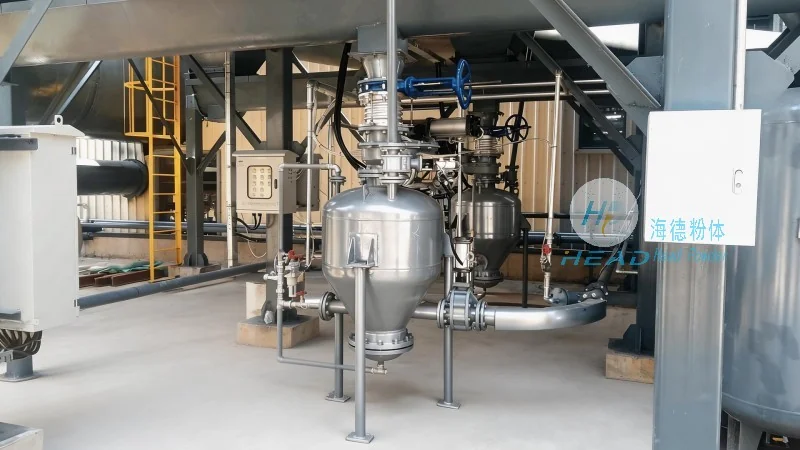
- Material Properties Analysis: Limestone powder is a fine, dry material with specific characteristics such as particle size distribution, moisture content, and bulk density. Understanding these properties is essential for selecting the appropriate conveying velocity and system pressure. For example, finer particles may require higher conveying velocities to prevent clogging, while higher moisture content can affect the material's flowability and increase the risk of blockages.
- Conveying Velocity and Pressure: The conveying velocity is a key parameter that determines the system's capacity and efficiency. It is typically calculated based on the material's properties and the desired flow rate. The pressure required to achieve the desired velocity depends on the system's length, elevation changes, and the number of bends or fittings in the pipeline. For limestone powder, a common conveying velocity is in the range of 20-30 m/s, with system pressures ranging from 0.5 to 2 bar, depending on the application.
- Pipeline Sizing and Layout: The diameter and length of the conveying pipeline are critical to the system's performance. The pipeline diameter is determined by the required flow rate and the conveying velocity, while the layout must consider the plant layout, including the locations of the feeder, receiver, and any intermediate equipment. Proper pipeline design minimizes pressure losses and ensures smooth material flow. For example, using larger diameter pipelines for longer distances can reduce pressure drop, but may increase material costs.
- Feeder and Discharge Equipment: The feeder is responsible for introducing the limestone powder into the conveying line at a consistent rate. Common feeder types include rotary valves, screw feeders, and vibratory feeders. The choice of feeder depends on the material's flowability and the required feeding rate. The discharge equipment, such as a rotary valve or a dust collector, must be designed to handle the material's properties and prevent dust emissions. Proper sealing and maintenance of these components are essential to maintain system efficiency and prevent contamination.
- Dust Control and Environmental Considerations: Limestone powder is a fine, dry material that can generate significant dust during handling. Effective dust control is crucial to ensure workplace safety and comply with environmental regulations. This includes using sealed equipment, installing dust collection systems, and implementing proper ventilation. For example, using a baghouse or cartridge filter can capture the dust generated during the conveying process, while a dust suppression system can reduce the risk of dust explosions.
- System Control and Monitoring: Modern pneumatic conveying systems often include advanced control and monitoring systems to optimize performance and detect issues in real-time. These systems may include sensors to measure pressure, flow rate, and temperature, as well as control valves to adjust the gas flow and feeding rate. Real-time monitoring allows operators to identify and address problems such as blockages or pressure drops quickly, minimizing downtime and ensuring consistent material transport.
Application Examples and Performance Benefits
Limestone powder pneumatic conveying systems are widely used in various industrial applications, including cement production, chemical processing, and food processing. In cement production, for example, limestone is a key raw material that needs to be transported from storage to the kiln. A well-designed pneumatic conveying system can transport limestone efficiently over long distances, reducing the need for traditional bulk handling methods such as trucks or conveyors. This not only improves operational efficiency but also reduces labor costs and environmental impact.
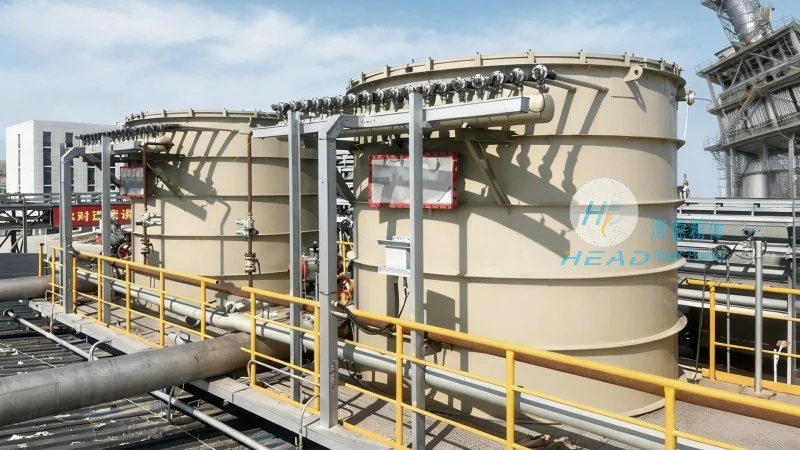
In chemical processing, limestone powder is used as a filler or additive in various products. A pneumatic conveying system can transport the powder from storage to processing equipment, ensuring a consistent supply of material. The system's ability to handle fine particles and maintain product quality is particularly important in this application, as any contamination or degradation of the powder can affect the final product.
The performance benefits of a well-designed limestone powder pneumatic conveying system include improved material handling efficiency, reduced downtime, lower maintenance costs, and enhanced safety. By optimizing the system design based on the material properties and application requirements, companies can achieve significant operational improvements and cost savings.