

Key Design Considerations for a Calcium Oxide Powder Pneumatic Conveying System
When designing a pneumatic conveying system for calcium oxide powder, several critical factors must be considered to ensure efficient, reliable, and cost-effective operation. This article outlines key design considerations tailored to the unique properties of calcium oxide powder, with a focus on system components, material handling principles, and practical implementation strategies.
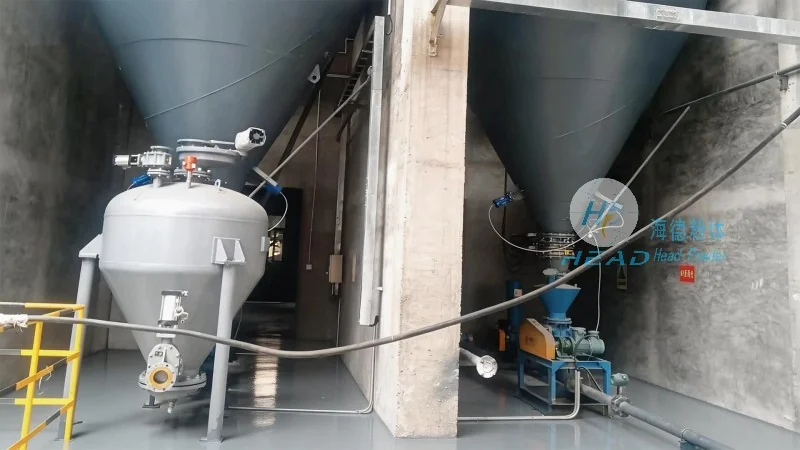
System Selection and Material Characteristics
Calcium oxide, commonly known as quicklime, is a fine, abrasive powder with a high density and potential for reactivity when exposed to moisture. These characteristics influence the choice of pneumatic conveying system type—such as dilute-phase or dense-phase systems—and the selection of appropriate equipment. For calcium oxide, dilute-phase systems are often preferred due to the material's flowability and the need to minimize pressure drop and energy consumption. However, dense-phase systems may be considered for applications requiring gentle handling or longer transport distances.
Equipment Selection: Hopper and Feeder
The hopper and feeder are critical components that determine the system's ability to handle calcium oxide powder consistently. A properly designed hopper must prevent material bridging, segregation, or caking, which can disrupt flow and cause system downtime. For calcium oxide, a conical hopper with a smooth interior surface and a low angle of repose is recommended to facilitate uniform material discharge. The feeder, typically a rotary valve or a metering pump, must be capable of handling abrasive materials without wear or leakage. Shandong HeadPowder Engineering Co., Ltd. specializes in customizing hoppers and feeders that meet the specific flow characteristics of calcium oxide, ensuring reliable material introduction into the conveying line.
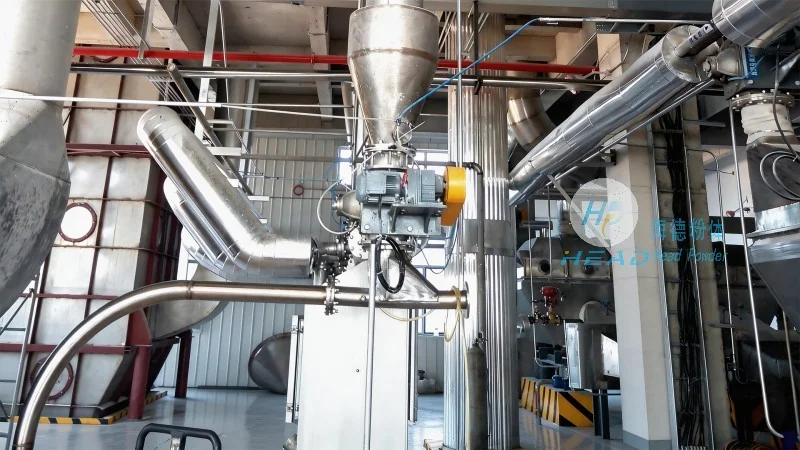
Piping and Fittings: Material Compatibility and Pressure Drop
The choice of piping material is essential for calcium oxide powder, as the material is highly abrasive and can cause erosion over time. Stainless steel or high-grade alloy pipes are preferred to withstand the abrasive nature of calcium oxide and resist corrosion. Fittings, such as elbows and tees, should be designed with smooth transitions to minimize pressure drop and prevent material accumulation. The pipe diameter is also a key design factor; larger diameters reduce pressure drop but increase system cost, while smaller diameters may lead to higher energy consumption and potential blockages. Proper sizing, based on the material's flow rate and velocity, is crucial for maintaining system efficiency.
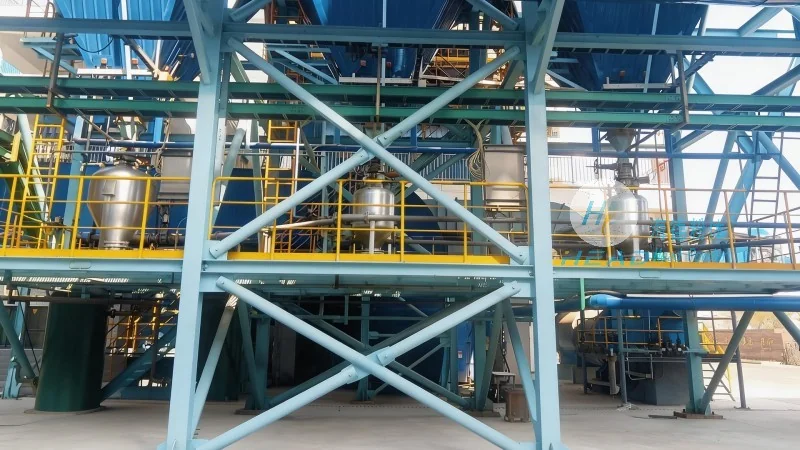
Air Source and Compressor Selection
The air source, typically a rotary lobe or screw compressor, must provide sufficient pressure and airflow to transport calcium oxide powder through the system. The compressor's capacity should be matched to the system's required flow rate and pressure, accounting for losses due to friction, fittings, and material acceleration. For calcium oxide, a dry, filtered air supply is recommended to prevent moisture contamination, which can cause the powder to clump or react with the material. The compressor's power and efficiency are also important considerations, as they directly impact operational costs. Shandong HeadPowder Engineering Co., Ltd. offers compressor systems tailored to the specific demands of calcium oxide conveying, ensuring optimal performance and energy savings.
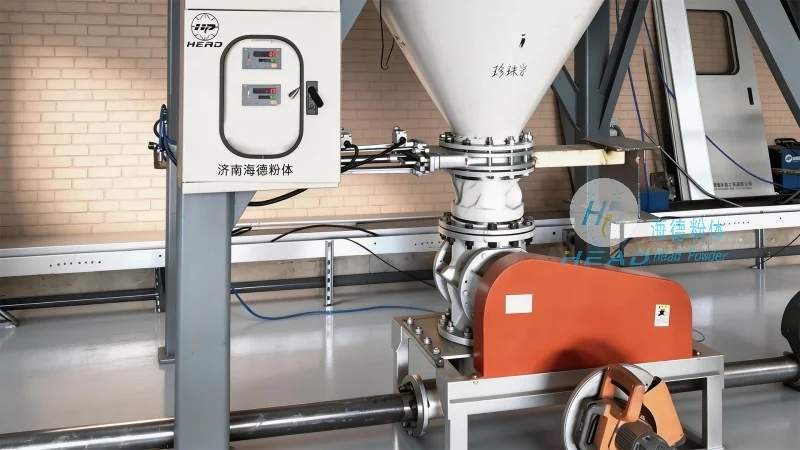
Control System and Safety Measures
A robust control system is essential for monitoring and regulating the pneumatic conveying process, ensuring consistent material flow and preventing system failures. Sensors, such as pressure transducers, flow meters, and level detectors, provide real-time data on system performance, allowing for immediate adjustments. The control system should include features like automatic start/stop, pressure monitoring, and alarm systems to alert operators of potential issues. Safety measures are also critical, as calcium oxide powder can be hazardous if inhaled or if it reacts with moisture. Proper ventilation, dust collection systems, and protective equipment are necessary to ensure a safe working environment. Shandong HeadPowder Engineering Co., Ltd. integrates advanced control systems and safety features into their designs, providing comprehensive solutions for calcium oxide powder handling.
Installation and Maintenance Considerations
Proper installation and regular maintenance are vital for the long-term reliability of a calcium oxide pneumatic conveying system. Installation should follow best practices for material handling, including ensuring proper alignment of components, securing pipes to prevent vibration, and providing adequate space for access and maintenance. Maintenance activities, such as cleaning, lubricating, and inspecting components, should be scheduled regularly to prevent wear and tear. For calcium oxide, regular cleaning of the hopper, feeder, and piping is necessary to remove accumulated material and prevent clogging. Shandong HeadPowder Engineering Co., Ltd. provides maintenance services and support to ensure their systems operate at peak efficiency, minimizing downtime and maximizing productivity.