

Design Considerations for Foam Powder Pneumatic Conveying System Solutions
HeadPowder, a leading engineering firm based in Shandong, China, specializes in the design and implementation of advanced foam powder pneumatic conveying systems. These systems are critical for efficiently transporting fine powders, such as foam powders, in industrial applications. The design of such systems requires careful consideration of multiple factors to ensure optimal performance, reliability, and cost-effectiveness.
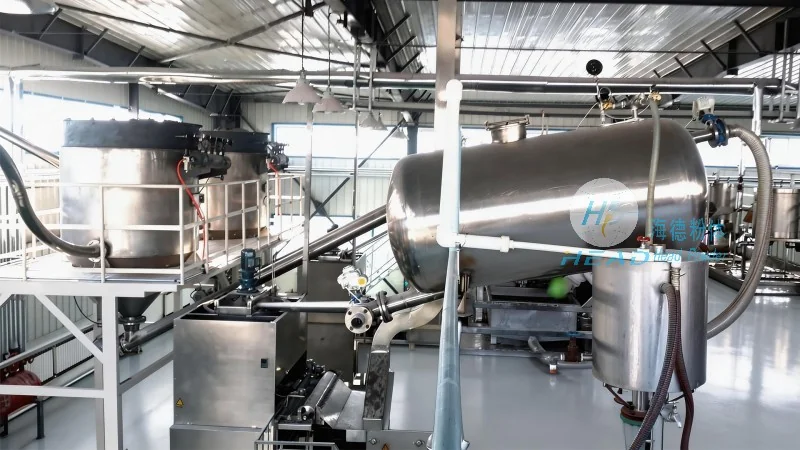
Key Design Considerations for Foam Powder Pneumatic Conveying Systems
When designing a foam powder pneumatic conveying system, several critical factors must be addressed to achieve efficient and reliable operation. The first consideration is the selection of the appropriate conveying method, which can be categorized into pressure or vacuum systems. Pressure systems use compressed air to push the material through the pipeline, while vacuum systems use a vacuum to pull the material. The choice depends on the material properties, distance to be conveyed, and system layout. For instance, pressure systems are often preferred for short to medium distances and for materials that are prone to caking, as they provide consistent pressure to prevent blockages. In contrast, vacuum systems are suitable for longer distances or when the material needs to be collected from multiple sources. HeadPowder engineers conduct thorough analyses of these factors to recommend the most suitable method for each client's specific application, ensuring optimal performance and cost-effectiveness.
Pipeline Design and Material Selection
The design of the pipeline is a crucial aspect of the system, as it directly impacts the system's efficiency and longevity. The diameter and length of the pipeline, along with the material of construction, are critical parameters. For foam powders, which are typically light and abrasive, pipelines made of high-quality stainless steel or corrosion-resistant polyethylene are commonly used. The diameter is determined based on the material's flow rate and particle size, ensuring that the material can be conveyed without excessive pressure drop or the risk of blockage. HeadPowder's design team employs advanced computational fluid dynamics (CFD) simulations and empirical formulas to calculate the optimal pipe size and layout. This approach minimizes energy consumption by reducing pressure losses and maximizes throughput by ensuring smooth material flow. Additionally, the team considers factors such as pipeline curvature and bends, as these can affect the material's velocity and the system's overall performance.
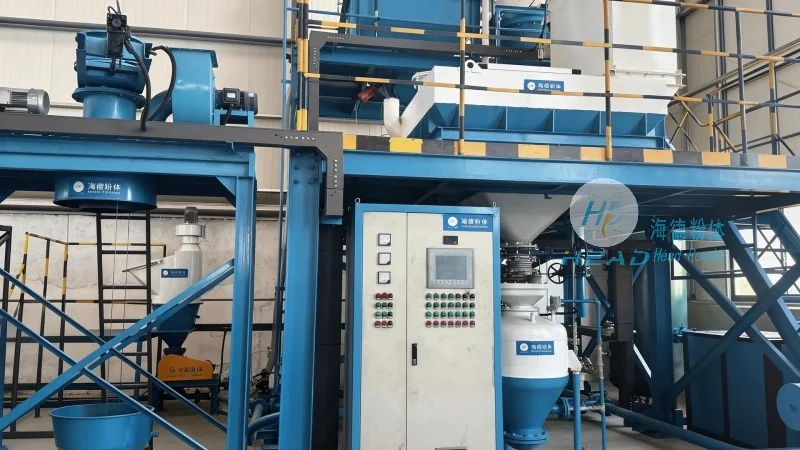
Compressed Air System and Energy Efficiency
The compressed air system is a key component that significantly influences the overall efficiency of the foam powder pneumatic conveying system. The air compressor must be capable of providing sufficient pressure and flow rate to move the material through the pipeline. HeadPowder recommends using energy-efficient, oil-free compressors and incorporating air treatment equipment, such as high-efficiency filters and desiccant dryers, to maintain consistent air quality. The air treatment system is essential to prevent moisture and contaminants from entering the pipeline, which can cause corrosion or material degradation. Furthermore, the system can be optimized for energy savings by implementing variable frequency drives (VFDs) to adjust the compressor speed based on the conveying demand. This dynamic control reduces energy consumption during low-demand periods and extends the lifespan of the compressor by minimizing wear and tear. HeadPowder's expertise in energy-efficient design helps clients achieve significant cost savings over the system's operational life.
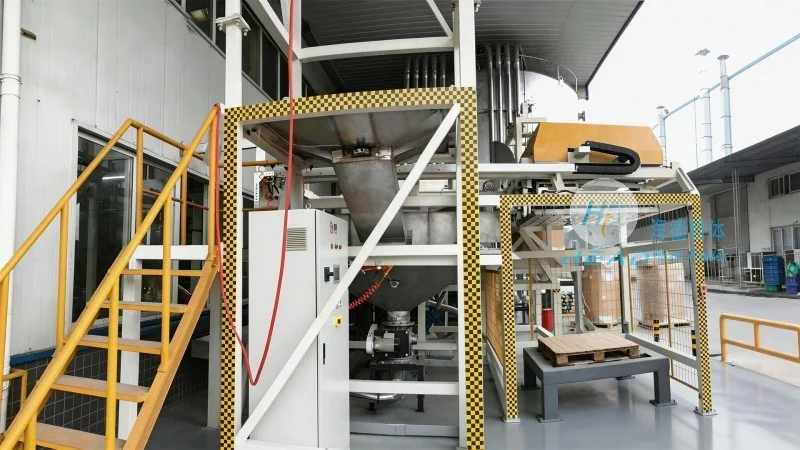
Control System and Automation
Modern foam powder pneumatic conveying systems rely on advanced control systems to ensure smooth operation, prevent issues like blockages or overpressure, and enhance overall efficiency. HeadPowder integrates programmable logic controllers (PLCs) and a range of sensors into the system to monitor critical parameters such as pressure, flow rate, temperature, and material level. These controls can automatically adjust the air flow or material feed rate to maintain stable operation, even under varying conditions. The system can also be equipped with real-time monitoring and data logging capabilities, allowing operators to track performance metrics and identify potential issues before they escalate. Additionally, the control system includes safety features like pressure relief valves and alarms to alert operators of any anomalies, ensuring safe and reliable operation. Automation not only improves efficiency by reducing manual intervention but also minimizes the risk of human error, leading to consistent and reliable material transport.
Installation and Maintenance Considerations
Proper installation and regular maintenance are essential for the long-term performance and reliability of a foam powder pneumatic conveying system. HeadPowder provides comprehensive installation services, including detailed pipeline layout planning, equipment assembly, and commissioning. During installation, the team ensures that all components are properly aligned, connected, and secured to prevent leaks or pressure losses. The installation process also involves thorough testing to verify that the system operates as designed, with no blockages or inefficiencies. Regular maintenance is critical to prevent system failures and extend the lifespan of the equipment. HeadPowder offers maintenance contracts to clients, which include scheduled inspections, filter cleaning, and component replacement. These services help maintain the system's performance and ensure that it operates at peak efficiency. By adhering to regular maintenance schedules, clients can minimize downtime and maximize the return on their investment in the foam powder pneumatic conveying system.