

Design Considerations for Limestone and Gypsum Pneumatic Conveying System Solutions
For industrial applications involving the transport of limestone and gypsum, efficient and reliable pneumatic conveying systems are essential. These systems are crucial for maintaining production efficiency, ensuring material quality, and reducing operational costs. The design of such systems requires careful consideration of various technical and operational factors to achieve optimal performance.
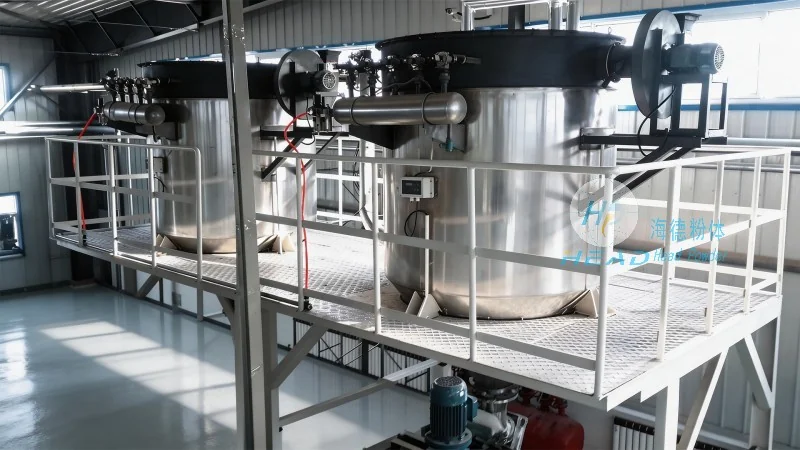
Key Design Considerations for Pneumatic Conveying Systems
When designing a pneumatic conveying system for limestone and gypsum, several critical factors must be addressed. First, the material characteristics, including particle size, density, and moisture content, significantly impact system selection and performance. Limestone and gypsum are typically fine to medium particles, which can affect the air velocity and pressure requirements for effective transport. Proper analysis of these material properties helps in determining the appropriate conveying method—such as dilute-phase or dense-phase transport—ensuring the system operates within its optimal range.
Second, the system layout and infrastructure play a vital role in the overall design. The distance between the material source and the destination, as well as the number of transfer points, influence the choice of equipment like blowers, cyclones, and ductwork. For instance, long-distance conveying may necessitate high-pressure blowers and larger diameter ducts to maintain material flow. Additionally, the integration of the system with existing facilities, including storage silos and processing equipment, must be carefully planned to minimize disruptions and ensure seamless operation.
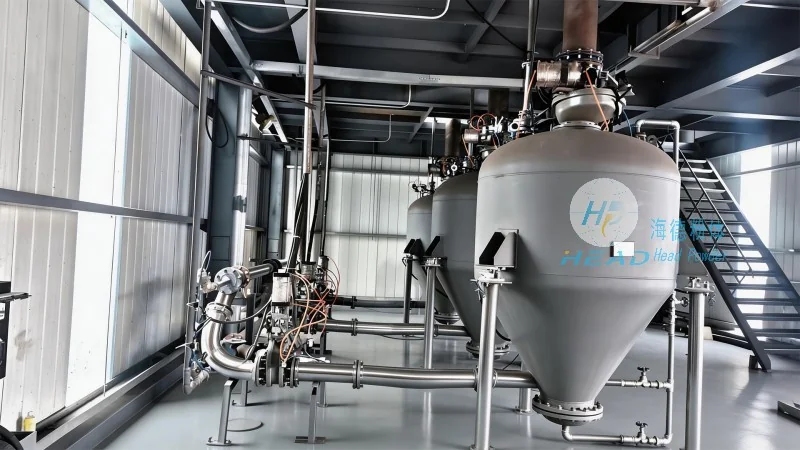
Material Handling and System Components
The components of a pneumatic conveying system for limestone and gypsum include several key elements that work in tandem to achieve efficient transport. The primary components are the material feed system, which may involve hoppers or feeders to control the flow of material into the conveying line. This is followed by the air supply system, typically consisting of a blower or compressor that generates the necessary pressure to move the material. The conveying line itself, made of materials like stainless steel or plastic, must be designed to withstand the abrasive nature of limestone and gypsum particles, preventing wear and ensuring longevity.
At the receiving end, cyclones or filters are used to separate the material from the air stream, allowing the material to be deposited in the desired location while the air is either recirculated or discharged. The selection of these components is critical, as they directly impact the system's efficiency and maintenance requirements. For example, a well-designed cyclone can effectively separate fine particles, reducing the risk of clogging and improving overall system performance.
HeadPowder Engineering's Expertise in Pneumatic Conveying Solutions
Shandong HeadPowder Engineering Co., Ltd., a leading provider of engineering solutions for material handling, specializes in designing and implementing pneumatic conveying systems tailored to the unique needs of limestone and gypsum applications. With years of experience in the industry, the company has developed a deep understanding of the technical challenges associated with transporting these materials and has successfully delivered numerous projects across various industries, including construction, mining, and chemical processing.
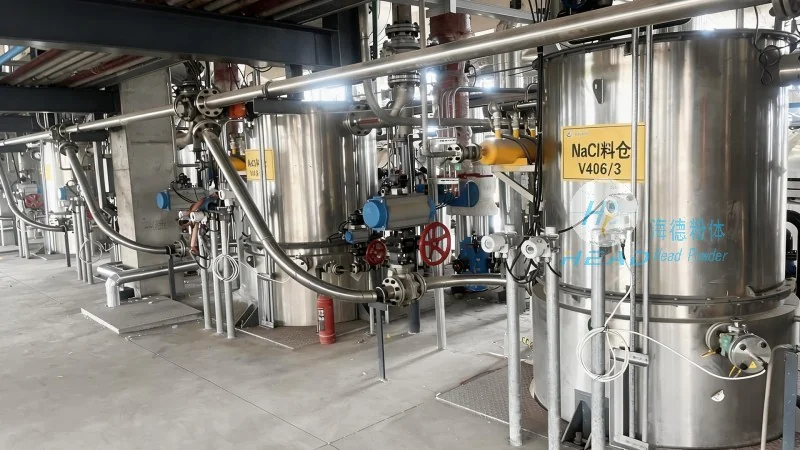
HeadPowder's approach to system design emphasizes customization and integration. The company works closely with clients to assess their specific requirements, including production capacity, material characteristics, and operational constraints. This collaborative process ensures that the final system is not only efficient but also cost-effective and easy to maintain. The engineering team at HeadPowder leverages advanced technologies and industry best practices to optimize system performance, minimizing energy consumption and maximizing material throughput.
Furthermore, HeadPowder provides comprehensive support throughout the project lifecycle, from initial design and installation to ongoing maintenance and troubleshooting. This commitment to service ensures that clients can rely on their pneumatic conveying systems to operate reliably and efficiently, even under demanding conditions. By partnering with HeadPowder, businesses can enhance their operational capabilities and achieve greater productivity in handling limestone and gypsum materials.