

Design Considerations for Foam Particle Pneumatic Conveying System Solutions
HeadPowder, a leading engineering firm based in Shandong, China, specializes in the design and implementation of advanced pneumatic conveying systems for foam particle materials. This document outlines key design considerations to ensure efficient, reliable, and cost-effective operation of such systems, tailored to the unique characteristics of foam particles and the specific requirements of industrial applications.

Company Profile
HeadPowder, operating under the full name Shandong HeadPowder Engineering Co., Ltd., is a professional engineering company headquartered in Shandong, China. With a focus on innovative material handling solutions, the company provides comprehensive services including system design, equipment selection, and project execution for pneumatic conveying applications.
Key Design Considerations for Foam Particle Pneumatic Conveying
The successful design of a foam particle pneumatic conveying system hinges on several critical factors that address the material's physical properties and the operational environment. First, the particle size, density, and moisture content of the foam particles must be thoroughly analyzed. These characteristics directly influence the air velocity required for stable transport, as well as the risk of particle degradation or blockage in the system. For example, finer foam particles may necessitate higher air speeds to prevent deposition, while larger particles might require lower speeds to avoid excessive wear on components.
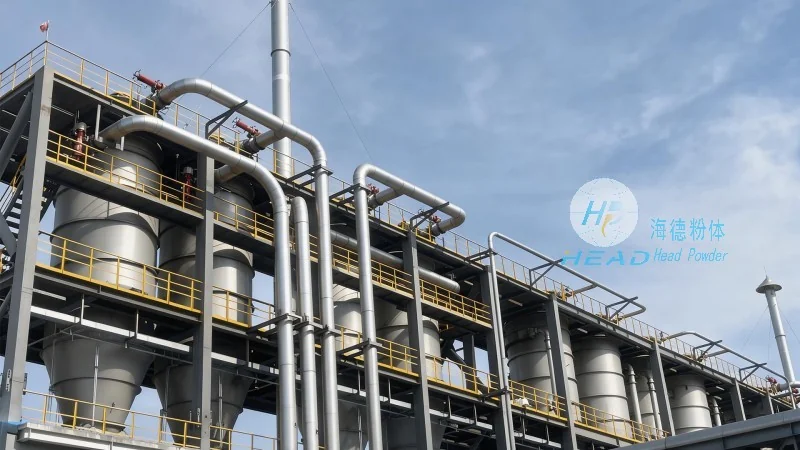
Second, the system's layout and the distance over which material needs to be conveyed are fundamental design parameters. The length of the conveying line dictates the pressure drop across the system, which in turn affects the power consumption and the overall efficiency of the operation. Engineers must calculate the required air pressure and flow rate to maintain consistent material flow, considering factors such as elevation changes and bends in the pipeline. In many cases, multi-stage conveying or booster units are employed to maintain sufficient pressure over long distances, ensuring that the foam particles reach their destination without loss of performance.
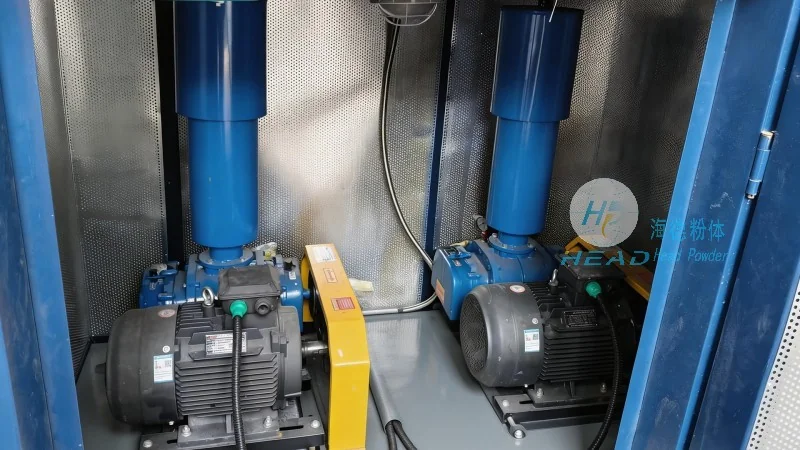
Third, the selection of appropriate equipment, including the air compressor, cyclone separator, and material feeders, is crucial. The air compressor must be capable of delivering the necessary volume and pressure to handle the specific foam particle characteristics. For instance, high-pressure compressors may be required for systems with long conveying distances or high particle density, while low-pressure units might suffice for shorter runs with less demanding material properties. The cyclone separator plays a vital role in separating the foam particles from the air stream, preventing clogging and ensuring that the material is efficiently recovered. The feeder, whether a rotary valve or a screw feeder, must be designed to handle the foam particles without causing degradation or blockage, maintaining a consistent flow rate throughout the process.
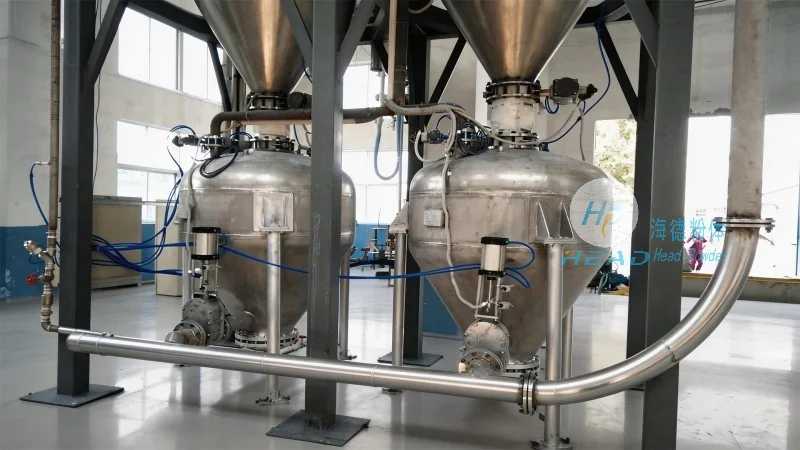
Fourth, the integration of safety and maintenance features is essential for long-term system reliability. Foam particle systems may be prone to issues such as air leaks or particle buildup, which can lead to system downtime. Therefore, incorporating pressure relief valves, check valves, and regular maintenance schedules is critical. Additionally, monitoring systems, such as pressure gauges and flow meters, should be installed to provide real-time feedback on system performance, allowing for timely adjustments and preventing potential failures.
Fifth, energy efficiency and environmental considerations are increasingly important in modern industrial design. The design of the pneumatic conveying system should aim to minimize energy consumption while maximizing material throughput. This can be achieved through the use of efficient air compressors, optimized pipeline designs, and the implementation of energy recovery systems. Furthermore, the system should comply with local environmental regulations regarding air emissions and noise levels, ensuring that it operates in an environmentally responsible manner.