

Design Considerations for Plastic Pellet Pneumatic Conveying System Solutions
Plastic pellet pneumatic conveying systems are integral to the efficient operation of plastic processing facilities. These systems enable the smooth and reliable transport of plastic pellets from storage bins to processing equipment, such as extruders and mixers. The design and implementation of these systems require careful consideration of various factors to ensure optimal performance, minimal downtime, and cost-effectiveness. This article explores the key design considerations for plastic pellet pneumatic conveying systems, highlighting the expertise of Shandong HeadPowder Engineering Co., Ltd. (headpowder), a leading provider of material handling solutions.
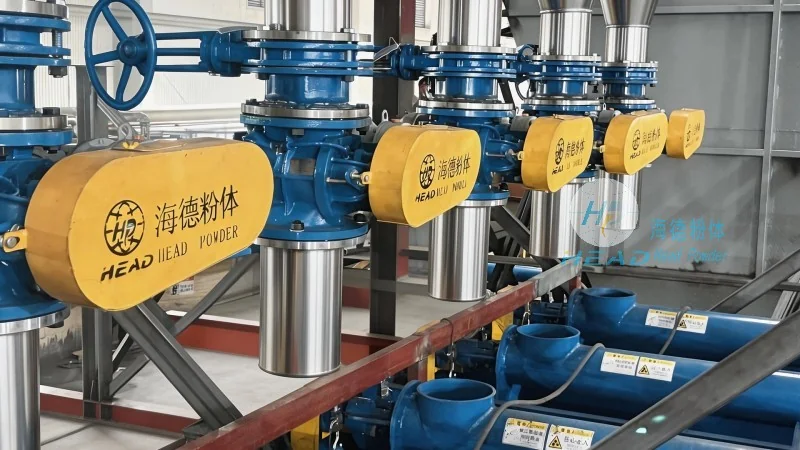
About Shandong HeadPowder Engineering Co., Ltd.
Shandong HeadPowder Engineering Co., Ltd., commonly referred to as headpowder, is a renowned engineering firm specializing in the design, installation, and maintenance of pneumatic conveying systems. With headquarters in Shandong, China, headpowder has established itself as a trusted partner for plastic processing industries worldwide. The company's mission is to deliver innovative and customized solutions that enhance operational efficiency and reduce costs for its clients. Headpowder's team of experienced engineers and technicians leverages advanced technology and industry best practices to develop systems that meet the unique needs of each project.
Key Design Considerations for Plastic Pellet Pneumatic Conveying Systems
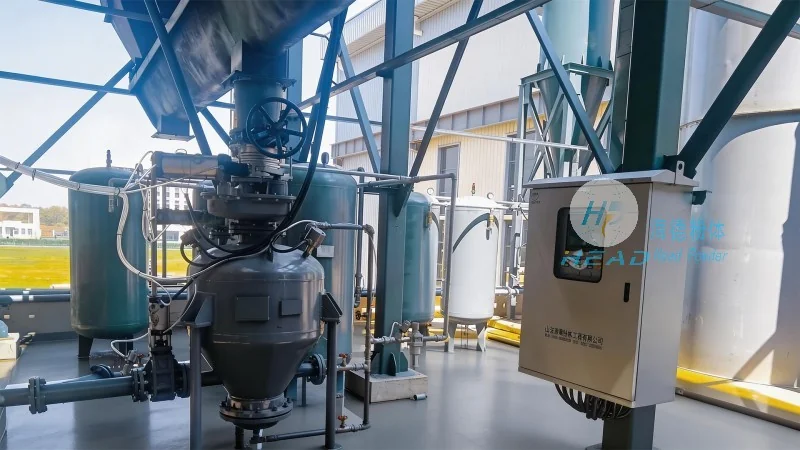
The successful design of a plastic pellet pneumatic conveying system hinges on several critical factors. The first consideration is the system type, which can be categorized as pressure or vacuum systems. Pressure systems utilize compressed air to push material through the pipeline, while vacuum systems employ a vacuum to pull material. For plastic pellets, pressure systems are often preferred due to their ability to handle abrasive materials and maintain consistent flow rates. The choice between these systems depends on factors such as the distance between the storage and processing areas, the material's characteristics, and the required flow rate.
Pipeline Design and Material Selection
The conveying pipeline is a critical component of the system, and its design must be optimized for the material being transported. Plastic pellets are typically conveyed in pipelines made from materials such as stainless steel, polyethylene, or PVC. Stainless steel is preferred for its corrosion resistance and durability, especially in environments with high humidity or chemical exposure. The pipeline diameter is determined by the flow rate and the material's particle size. For plastic pellets, a larger diameter is often required to prevent blockages and ensure smooth flow. The pipeline should also be equipped with appropriate fittings, including elbows, tees, and valves, to facilitate system operation and maintenance. Properly designed fittings help maintain consistent pressure and flow, reducing the risk of material degradation.
Air Supply and Compressor Selection
The air supply system is essential for the operation of pneumatic conveying systems. The compressor must be selected based on the system's air demand, which is influenced by factors such as the material flow rate, pipeline length, and system pressure. For plastic pellet systems, a high-pressure compressor is typically required to maintain consistent flow and prevent material degradation. The compressor should be equipped with a filter and dryer to remove moisture and contaminants from the air, ensuring the material remains clean and free from defects. Regular maintenance of the compressor is crucial to ensure optimal performance and longevity. Headpowder recommends periodic inspections and cleaning of the air filter and dryer to prevent clogging and maintain efficient operation.
Control Systems and Automation
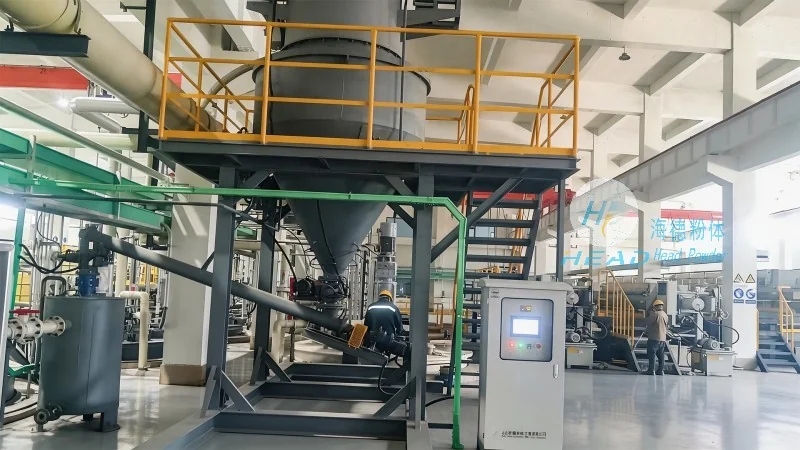
Modern plastic pellet pneumatic conveying systems often incorporate advanced control systems to enhance operational efficiency and reliability. These systems may include sensors to monitor material levels, pressure, and flow rates, as well as automated controls to adjust system parameters in real-time. The use of automation reduces the need for manual intervention, minimizes downtime, and improves overall system performance. For example, level sensors can detect when the storage bin is low and trigger the system to start conveying material, while pressure sensors can adjust the compressor output to maintain consistent flow. Additionally, control systems can be integrated with other processing equipment to create a seamless workflow, further enhancing operational efficiency. Headpowder offers customized control solutions tailored to the specific needs of each client, ensuring optimal integration with existing systems.
Maintenance and Troubleshooting
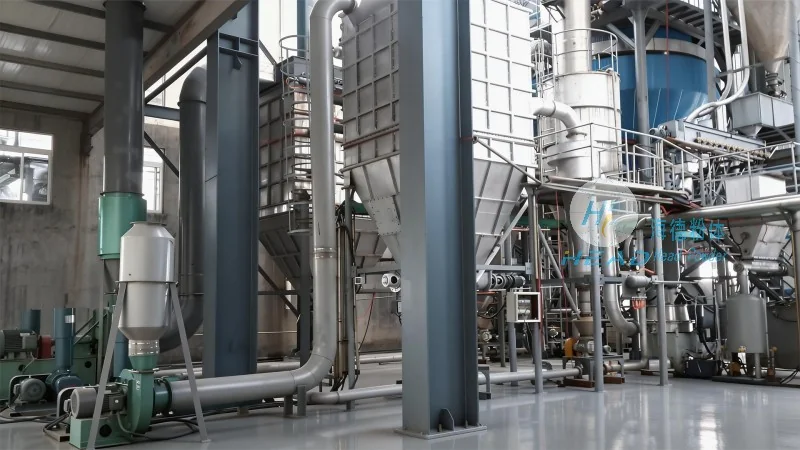
Regular maintenance is essential to ensure the long-term performance and reliability of plastic pellet pneumatic conveying systems. This includes cleaning the pipeline and equipment to prevent buildup of material and debris, checking for wear and tear on components, and replacing worn parts as needed. Proper maintenance can extend the lifespan of the system and reduce the risk of breakdowns. For example, regular cleaning of the pipeline can prevent blockages caused by accumulated material, while inspecting the compressor and air filter can identify potential issues before they become major problems. Headpowder provides comprehensive maintenance services, including scheduled inspections, component replacement, and troubleshooting support. The company's technicians are trained to diagnose and resolve issues quickly, minimizing downtime and ensuring smooth operation. Additionally, headpowder offers training programs for clients to educate their staff on proper system maintenance and operation, further enhancing the system's longevity and performance.
Customized Solutions from HeadPowder
HeadPowder understands that each plastic processing operation has unique requirements. The company offers customized pneumatic conveying system solutions tailored to the specific needs of clients. Whether it's a new system installation for a new facility or an upgrade to an existing system, headpowder provides comprehensive support from design to implementation. The company's team of engineers works closely with clients to understand their operational needs, including material characteristics, flow rates, and system layout. Based on this information, the team designs a system that meets the client's requirements while optimizing performance and cost. Headpowder's expertise in material handling and pneumatic conveying allows it to develop solutions that address the specific challenges of plastic processing, such as handling abrasive materials or maintaining consistent flow rates. The company's commitment to quality and customer satisfaction has made it a trusted partner in the plastic processing industry. Headpowder's customized solutions not only improve operational efficiency but also reduce maintenance costs and extend the lifespan of the equipment.