

Analysis of Pneumatic Conveying Technology for Masterbatch: Comparison of Positive and Negative Pres
Masterbatch, a critical additive in the plastics industry, demands efficient and reliable transportation to maintain consistent quality and process stability. Pneumatic conveying technology has become a preferred solution for handling masterbatch, offering advantages such as reduced contamination, enhanced safety, and improved process control. This article provides an in-depth analysis of the two primary pneumatic conveying modes—positive and negative pressure—exploring their operational principles, advantages, and suitability for masterbatch applications. The insights shared here are based on the expertise of Shandong HeadPowder Engineering Co., Ltd., a leading provider of masterbatch handling solutions in China.
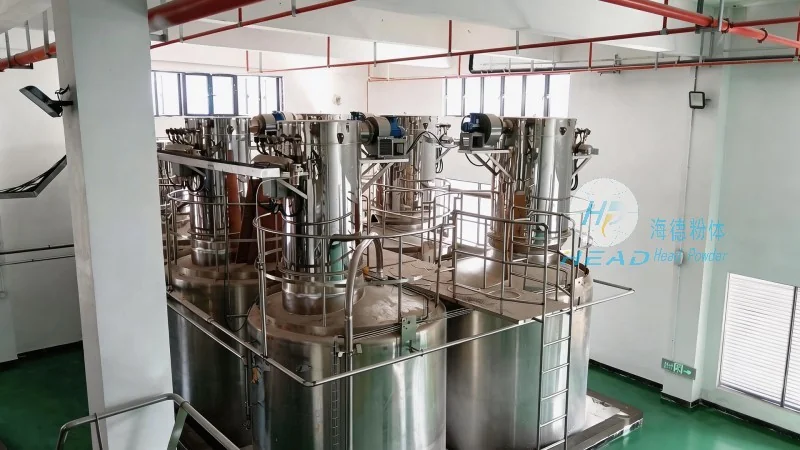
Understanding Positive Pressure Pneumatic Conveying
Positive pressure pneumatic conveying systems operate by blowing air or gas into the conveying line, creating a pressure higher than the ambient environment. This method is commonly used for short to medium-distance transport of masterbatch, typically up to several hundred meters. The system consists of a blower, a hopper, and a conveying line, with the masterbatch being drawn into the line by the pressure differential. A key advantage of positive pressure systems is their ability to handle a wide range of materials, including those with high moisture content or abrasive properties. The continuous flow of air helps maintain material integrity and prevents clogging, making it suitable for high-volume production lines. However, these systems may require more maintenance due to the higher pressure and air volume requirements.
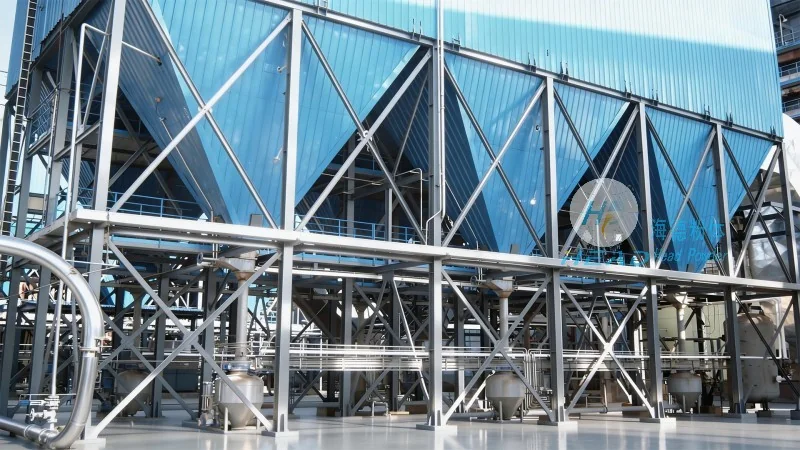
Advantages of Positive Pressure Conveying for Masterbatch
For masterbatch applications, positive pressure systems offer several benefits. The high pressure ensures that even fine particles are effectively transported without segregation or degradation. This is particularly important for color concentrates, where uniform distribution is critical to achieve consistent coloration in the final plastic product. The system's ability to handle abrasive materials reduces wear on components, extending the lifespan of the equipment. Additionally, positive pressure conveying can be integrated with other processing equipment, such as mixers or extruders, enabling seamless material transfer. The controlled airflow also minimizes dust emissions, contributing to a cleaner working environment. These advantages make positive pressure systems a popular choice for manufacturers seeking reliable and efficient masterbatch handling solutions.
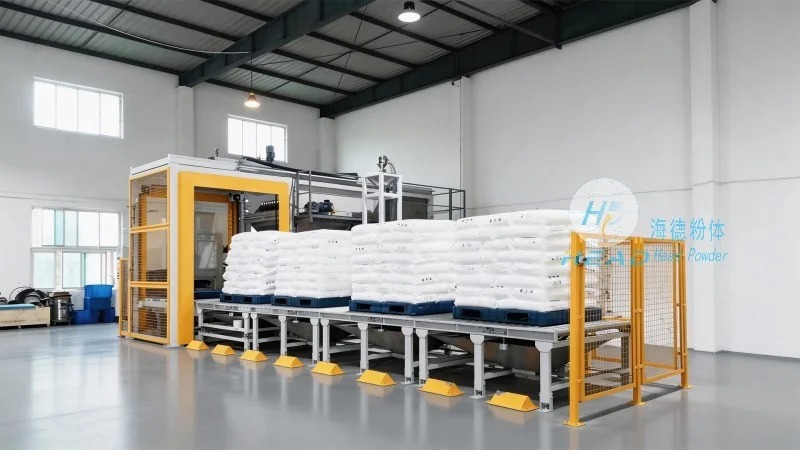
Exploring Negative Pressure Pneumatic Conveying
Negative pressure pneumatic conveying, also known as suction conveying, operates by creating a vacuum in the conveying line, drawing material from the source into the system. This mode is typically used for longer distances, often exceeding 500 meters, and is ideal for applications where the masterbatch needs to be transported from a lower elevation to a higher one. The system includes a vacuum pump, a hopper, and a receiving container, with the masterbatch being pulled into the line by the pressure difference. A significant advantage of negative pressure systems is their lower energy consumption compared to positive pressure systems, as they do not require high-pressure blowers. This makes them more energy-efficient and cost-effective for large-scale operations. However, negative pressure conveying may be less effective for handling highly abrasive or sticky materials, as the vacuum can cause material buildup and clogging in the line.
Key Benefits of Negative Pressure Conveying for Masterbatch
Negative pressure pneumatic conveying offers distinct advantages for masterbatch handling. The lower energy requirements reduce operational costs, making it an attractive option for manufacturers with budget constraints. The vacuum system also allows for the collection of material from multiple sources, enabling centralized processing. This flexibility is beneficial for plants with diverse production lines or varying masterbatch types. Additionally, negative pressure conveying can handle materials with higher moisture content without the risk of material degradation, as the low pressure prevents excessive heat buildup. The system's ability to operate in enclosed environments minimizes dust exposure, enhancing workplace safety. These benefits make negative pressure systems suitable for applications where energy efficiency and flexibility are paramount.
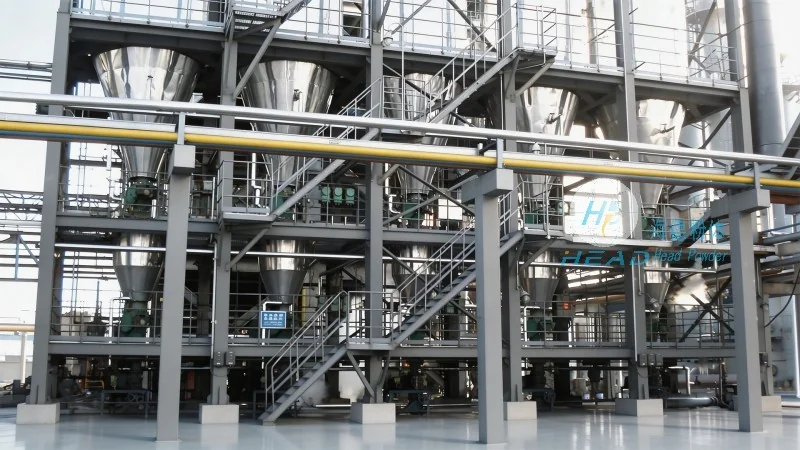
Comparative Analysis: Positive vs. Negative Pressure Conveying
When selecting a pneumatic conveying system for masterbatch, it is essential to evaluate the specific requirements of the application. The choice between positive and negative pressure modes depends on factors such as distance, material properties, and operational efficiency. Positive pressure systems excel in short to medium-distance transport, high-volume production, and handling abrasive or sticky materials. They provide consistent performance and are less prone to clogging, making them ideal for continuous production lines. On the other hand, negative pressure systems are better suited for longer distances, lower energy consumption, and applications requiring flexibility in material sourcing. They are particularly effective for handling materials with high moisture content and in enclosed environments. The decision should also consider the maintenance requirements and initial investment costs. Positive pressure systems may require more frequent maintenance due to higher pressure and air volume, while negative pressure systems may need more robust filtration to prevent dust accumulation. Ultimately, the optimal choice depends on balancing operational needs with cost and efficiency considerations.