

Buckwheat Hull Pneumatic Conveying Technology Analysis: Comparison of Positive and Negative Pressure
When it comes to the efficient handling and transportation of bulk materials like buckwheat hulls, pneumatic conveying systems offer a versatile and effective solution. This article delves into the technical aspects of buckwheat hull pneumatic conveying, focusing on the comparison between positive pressure and negative pressure modes. Understanding these systems is crucial for optimizing material flow, reducing operational costs, and ensuring the integrity of the product throughout the conveying process.
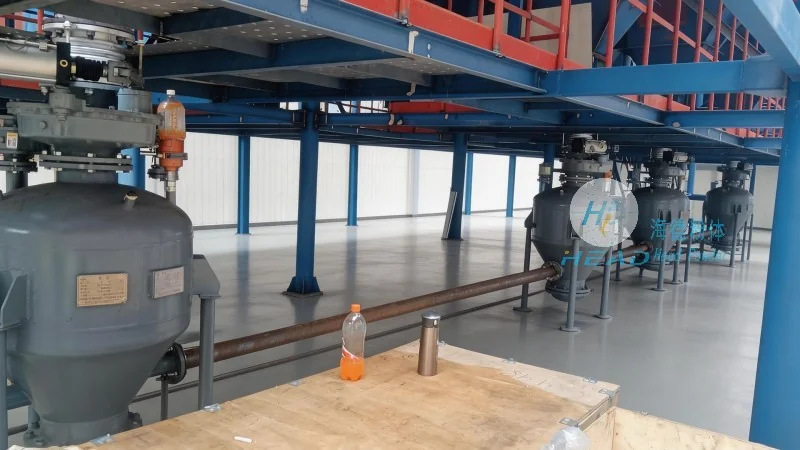
Introduction to Pneumatic Conveying Systems
Pneumatic conveying, also known as air conveying, is a method of transporting bulk materials through a pipeline using air or gas as the conveying medium. This technology is widely used in various industries, including food processing, agricultural products, and chemical manufacturing. The core principle involves creating a pressure differential to move the material from the source to the destination. For buckwheat hulls, which are lightweight and often have a high dust content, selecting the right pneumatic conveying mode is essential for maintaining product quality and system efficiency.
Positive Pressure Pneumatic Conveying
Positive pressure systems operate by generating air pressure at the material inlet, typically using a blower or a positive displacement pump. The air is forced through the pipeline, carrying the buckwheat hulls along with it. This mode is often preferred for applications requiring high material throughput and long-distance transport. The primary advantages include the ability to handle abrasive or corrosive materials, as the system can be designed with robust components that withstand high pressure. Additionally, positive pressure systems are generally more suitable for conveying materials that are prone to segregation or degradation under vacuum conditions.
Negative Pressure Pneumatic Conveying
Negative pressure systems, on the other hand, create a vacuum at the material outlet, drawing the air and material through the pipeline. The material is drawn into the system by the suction created by the vacuum pump. This mode is commonly used for short-distance transport or when the material is sensitive to pressure changes. The benefits of negative pressure include lower initial costs for smaller systems and reduced risk of material spillage at the discharge point. However, it may not be as efficient for long-distance or high-volume applications due to potential pressure drop and energy consumption issues.
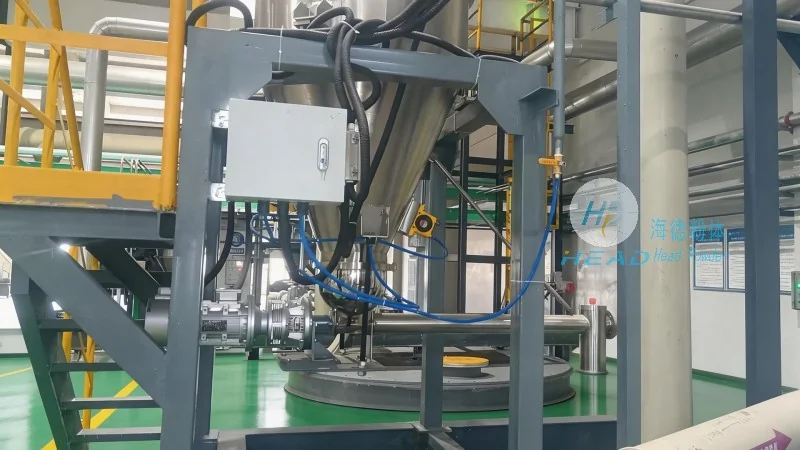
Key Considerations for Buckwheat Hull Conveying
When selecting a pneumatic conveying system for buckwheat hulls, several factors must be considered. The material's physical properties, such as particle size, density, and moisture content, play a significant role in determining the optimal mode. For instance, if the hulls are fine and prone to dust, a positive pressure system with proper filtration might be more effective to prevent clogging and maintain air quality. Conversely, if the material is bulkier and less prone to dust, a negative pressure system could offer cost advantages. Additionally, the system's capacity, the distance between the source and destination, and the required material handling speed are critical in the decision-making process.
System Components and Design
Both positive and negative pressure systems consist of several key components. These include the material feed hopper, the conveying line, the air or vacuum source, and the discharge equipment. For buckwheat hull applications, the feed hopper is often designed with a hopper agitator or a rotary valve to ensure consistent material flow and prevent bridging. The conveying line is typically made of stainless steel or other corrosion-resistant materials to handle the hulls' potential acidity or moisture. The air source, whether a blower for positive pressure or a vacuum pump for negative pressure, must be sized appropriately to maintain the required pressure or vacuum levels. The discharge equipment, such as a rotary valve or a dust collector, is crucial for controlling the material flow and preventing dust emissions.
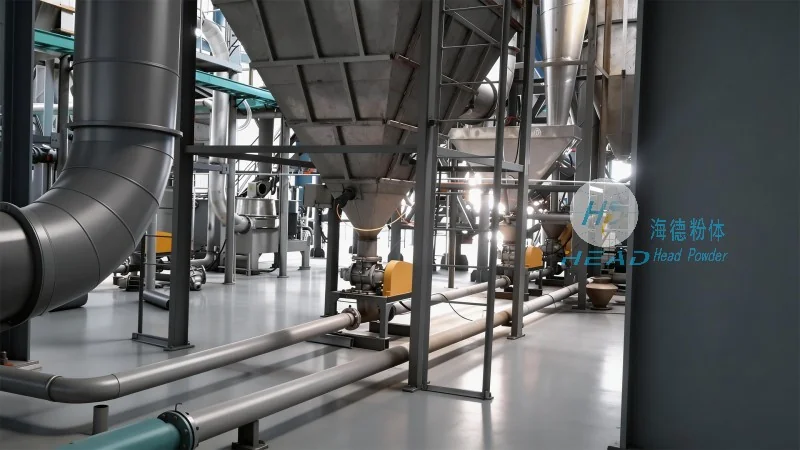
Performance and Efficiency Analysis
The performance of a pneumatic conveying system for buckwheat hulls is evaluated based on several metrics, including material flow rate, pressure drop, energy consumption, and system reliability. Positive pressure systems generally have higher energy consumption due to the need to generate high air pressure, but they can achieve higher material throughput and longer transport distances. Negative pressure systems consume less energy for short distances but may experience higher pressure drops over longer lines, leading to reduced efficiency. The choice between the two modes often depends on the specific application requirements and the trade-off between cost and performance. For example, a facility processing large volumes of buckwheat hulls over a long distance might opt for a positive pressure system, while a smaller operation handling shorter distances might choose a negative pressure system.
Case Study: Application in Agricultural Processing
Consider a buckwheat processing plant that needs to transport hulls from the cleaning and sorting stage to the storage silo. The plant has a long distance of 500 meters between the source and destination. In this scenario, a positive pressure system would be more suitable due to the high volume and long distance. The system is designed with a high-capacity blower, a stainless steel pipeline, and a rotary valve at the discharge point. The positive pressure mode ensures that the hulls are conveyed efficiently without clogging, and the system's robust design minimizes maintenance requirements. The plant achieves a consistent flow rate of 10 tons per hour, meeting its production needs while maintaining product quality. This case study highlights the importance of selecting the appropriate pneumatic conveying mode based on operational parameters and material characteristics.
Conclusion and Recommendations
In conclusion, the choice between positive and negative pressure pneumatic conveying systems for buckwheat hulls depends on a variety of factors, including material properties, transport distance, and operational requirements. Positive pressure systems offer higher throughput and longer distance capabilities but require more energy and higher initial investment. Negative pressure systems are more cost-effective for short distances and less sensitive materials but may not be as efficient for high-volume or long-distance applications. For optimal performance, it is recommended to conduct a thorough analysis of the specific application, considering factors such as particle size, moisture content, and system capacity. Consulting with a specialized engineering company, such as Shandong HeadPowder Engineering Co., Ltd. (headpowder), can provide tailored solutions that address the unique challenges of buckwheat hull pneumatic conveying. By selecting the right system and designing it with appropriate components, facilities can achieve efficient, cost-effective, and reliable material handling, ensuring the quality and integrity of their buckwheat hull products.