

What is Powder Pneumatic Conveying? An Introduction to the Working Principle of Powder Handling Syst
Pneumatic conveying, also known as powder pneumatic conveying, is a method used to transport bulk powders through a pipeline using air or other gases as the conveying medium. This technology is widely applied in various industries, including the dairy industry, where it plays a crucial role in the efficient handling of milk powder and other powdered products. Understanding the working principle of powder pneumatic conveying systems is essential for optimizing production processes and ensuring product quality in facilities like those operated by Shandong HeadPowder Engineering Co., Ltd.
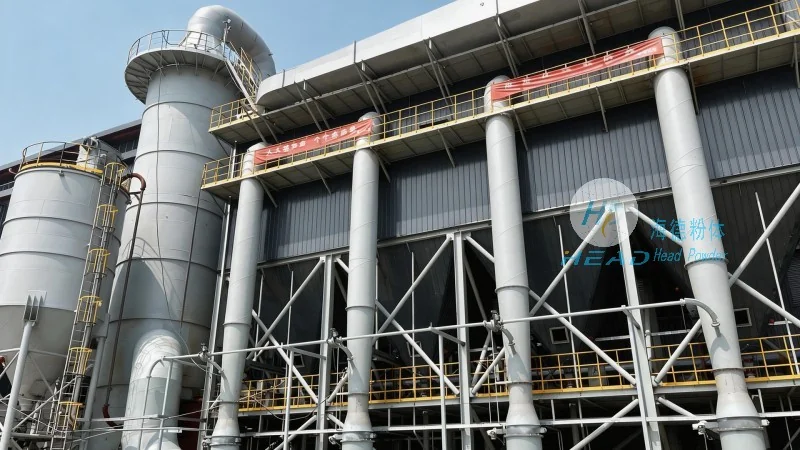
Understanding Powder Pneumatic Conveying Systems
Powder pneumatic conveying systems are designed to transport dry powders, such as milk powder, from one location to another within a processing facility. The core of this system involves the use of a compressor to generate air pressure, which then propels the powder particles through a pipeline. The system typically consists of several key components, including a hopper for powder storage, a feeder to control the flow rate, a pipeline network for transportation, and a receiver or silo for the final delivery of the material. The choice of conveying method—whether it's a pressure or vacuum system—depends on factors like the distance to be covered, the type of powder, and the required flow rate.
The Working Principle of Pneumatic Conveying
In a pressure pneumatic conveying system, the air is compressed and introduced into the pipeline at a higher pressure than the ambient air. The powder is then introduced into the pipeline at a point where the air pressure is sufficient to lift and transport the particles. As the air flows through the pipeline, it creates a flow pattern that entrains the powder particles, carrying them along the entire length of the system. The velocity of the air is critical; it must be high enough to overcome the gravitational force acting on the powder particles and maintain a stable flow. The system may also include features like cyclones or filters to separate the powder from the air at the receiving end, ensuring that the product is delivered in a clean and dry state.
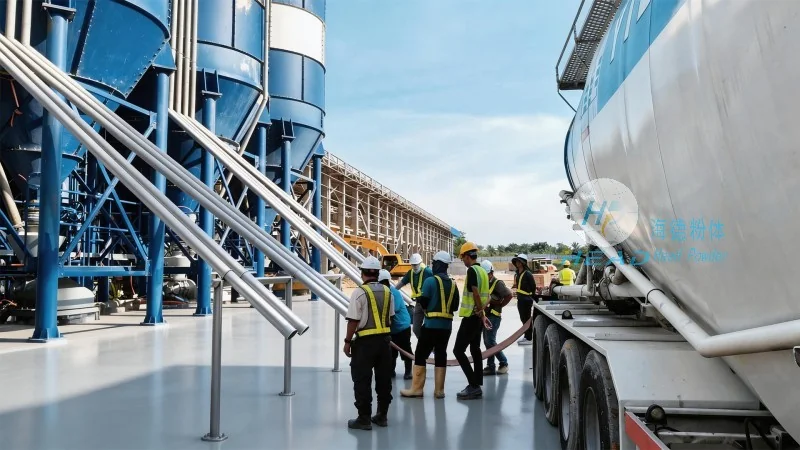
Key Components of a Powder Pneumatic Conveying System
Several essential components work together to ensure the efficient operation of a powder pneumatic conveying system. The first is the hopper, which stores the bulk powder and provides a consistent feed to the system. The feeder, often a rotary valve or a screw feeder, regulates the flow rate of the powder into the pipeline, preventing overloading and maintaining a stable conveying process. The pipeline itself is typically made of materials like stainless steel or plastic, chosen for their resistance to corrosion and ability to handle the abrasive nature of powders. The compressor is another critical component, responsible for generating the necessary air pressure. It can be a positive displacement compressor or a centrifugal compressor, depending on the system requirements. Finally, the receiver or silo collects the powder at the end of the pipeline, often equipped with a discharge valve to control the final release of the material.
Applications in the Dairy Industry
For companies like Shandong HeadPowder Engineering Co., Ltd., which specializes in engineering solutions for the dairy industry, powder pneumatic conveying systems are indispensable. These systems are used to transport milk powder from storage silos to processing lines, from production areas to packaging stations, and even between different facilities. The ability to handle large volumes of powder efficiently and hygienically is crucial in maintaining product quality and meeting production demands. The systems are designed to be cleanable and maintainable, ensuring compliance with food safety regulations and extending the lifespan of the equipment.
Advantages of Using Powder Pneumatic Conveying
Compared to traditional mechanical conveying methods, such as belt conveyors or bucket elevators, powder pneumatic conveying offers several advantages. One of the most significant benefits is the ability to transport powders over long distances without the need for multiple transfer points. This reduces the risk of product contamination and minimizes the space required for the system. Additionally, pneumatic conveying systems are more flexible, allowing for changes in the layout of the processing facility without major modifications. They also provide better control over the flow rate and can handle a wide range of powder characteristics, from fine powders to coarse granules. The systems are also relatively low in maintenance, as they have fewer moving parts compared to mechanical conveyors.
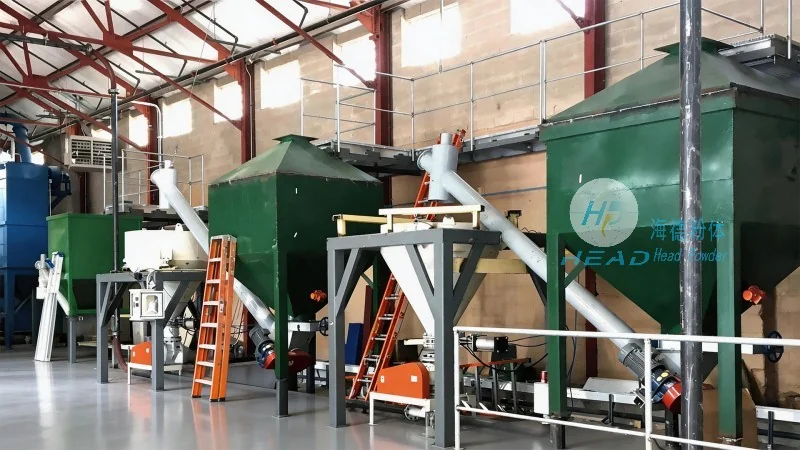
Considerations for System Design and Installation
When designing and installing a powder pneumatic conveying system, several factors must be considered to ensure optimal performance. The first is the characteristics of the powder being conveyed, including its particle size, density, and flowability. These properties determine the required air velocity and pressure. The second is the distance and layout of the pipeline, which affects the choice of system type (pressure or vacuum) and the number of bends or fittings needed. The third is the environmental conditions, such as temperature and humidity, which can impact the system's performance and the need for additional components like filters or drying systems. Proper system design and installation by experienced engineers, like those at Shandong HeadPowder Engineering Co., Ltd., are essential to avoid issues like blockages, pressure drops, or product degradation.
Conclusion
Powder pneumatic conveying is a sophisticated and efficient method for transporting bulk powders, particularly in the dairy industry. By understanding the working principles and key components of these systems, companies can optimize their production processes, improve product quality, and enhance operational efficiency. For businesses seeking reliable and effective powder handling solutions, Shandong HeadPowder Engineering Co., Ltd. offers expert engineering services and customized systems tailored to their specific needs. With a focus on quality and innovation, the company ensures that its clients can achieve their production goals while maintaining the highest standards of safety and hygiene.