

What Comprises Dry Manure Pneumatic Conveying
Understanding the components of a dry manure pneumatic conveying system is crucial for those involved in agricultural waste management and processing. This technology efficiently transports dry manure through a network of components designed to handle the material's characteristics while ensuring optimal performance and reliability.
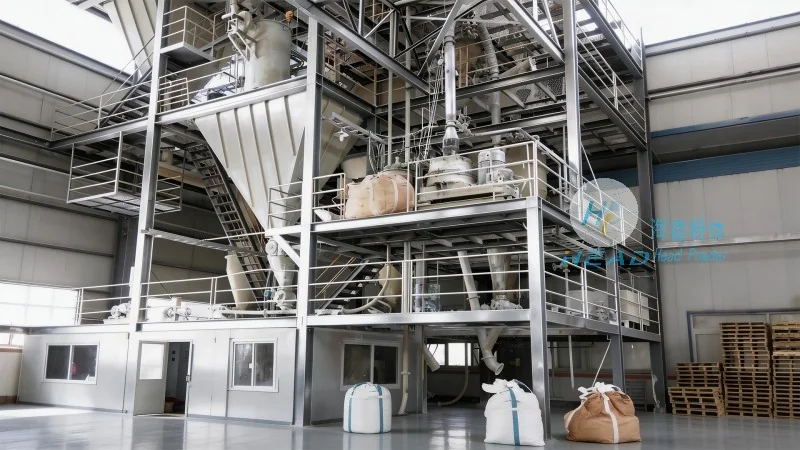
Key Components of Dry Manure Pneumatic Conveying Systems
The dry manure pneumatic conveying system typically consists of several core components that work in tandem to facilitate the movement of manure from its source to the processing or storage facility. Each component plays a vital role in the overall operation, contributing to the system's effectiveness and efficiency.
1. Manure Feeder and Hopper
The system begins with a manure feeder and hopper, which are responsible for collecting and preparing the dry manure for transport. The hopper is designed to hold a sufficient quantity of manure, ensuring a steady supply to the feeder. The feeder, often a screw or rotary type, gradually releases the manure into the conveying line, maintaining a consistent flow rate. This component is critical for preventing blockages and ensuring smooth material introduction into the system.
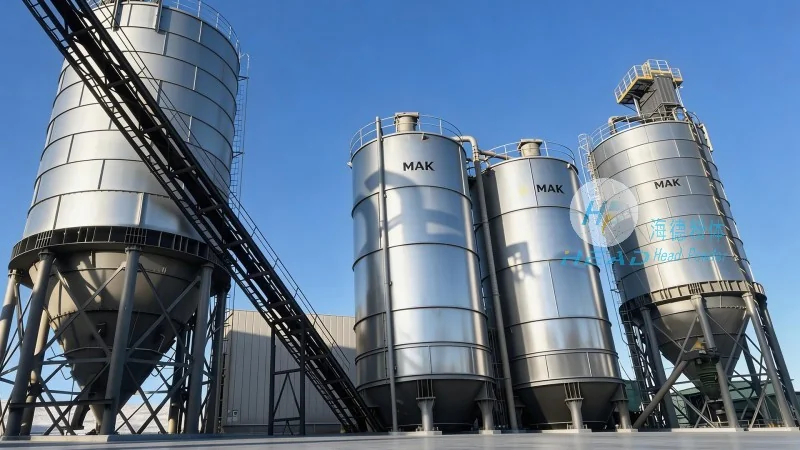
2. Conveying Line and Tubing
The conveying line, made from durable materials such as stainless steel or high-density polyethylene (HDPE), forms the main pathway for the dry manure. The tubing is carefully sized and routed to accommodate the material's flow characteristics and the required conveying distance. Proper installation and maintenance of the tubing are essential to minimize pressure losses and ensure the system operates at peak efficiency. The line may include bends, elbows, and tees to navigate around obstacles or changes in direction, all of which must be designed to handle the abrasive nature of dry manure without causing wear or degradation.
3. Air Supply System
A robust air supply system is a fundamental part of the dry manure pneumatic conveying setup. This system generates the necessary airflow to move the manure particles through the conveying line. It typically includes a blower or compressor, which provides the pressure and volume of air required for effective transport. The air supply may also incorporate a filter and moisture separator to ensure the air is clean and free from contaminants that could affect the manure or the system components. Proper regulation of air pressure and flow is essential to maintain consistent conveying rates and prevent system inefficiencies.
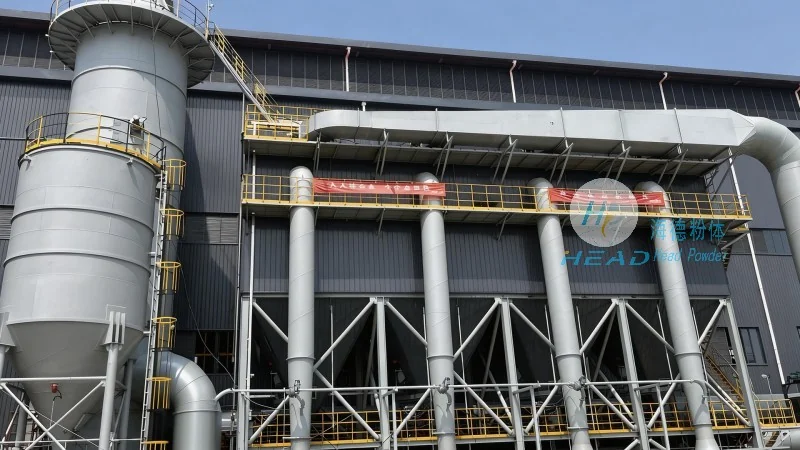
4. Solids Separation and Collection Equipment
At the receiving end of the conveying system, solids separation and collection equipment are used to process the delivered manure. This may include a cyclone separator or a baghouse filter, which separates the dry manure from the air stream. The separated manure is then collected in a storage bin or processing unit, while the cleaned air is either vented to the atmosphere or recirculated back into the system if necessary. This component is vital for maintaining air quality and ensuring the manure is handled in a manner that meets environmental and safety standards.
5. Control and Monitoring Systems
Modern dry manure pneumatic conveying systems often incorporate advanced control and monitoring systems to optimize performance and ensure operational safety. These systems may include sensors to monitor pressure, flow rate, and material level, as well as control panels that allow operators to adjust settings and receive real-time feedback. Automated controls can help maintain consistent conveying rates, detect system faults, and initiate corrective actions, reducing downtime and improving overall system reliability. The integration of such systems enhances the efficiency and safety of the operation, making it more manageable and effective.

6. Support Structures and Accessories
In addition to the core components, dry manure pneumatic conveying systems may include various support structures and accessories to ensure proper operation. These can include support frames, brackets, and hangers for mounting the conveying line and equipment, as well as valves, regulators, and check valves to control airflow and prevent backflow. The use of appropriate seals and gaskets is also important to maintain system integrity and prevent air leaks, which could lead to pressure losses and reduced conveying efficiency. Proper maintenance of these accessories is essential to prolong the system's lifespan and maintain optimal performance.
By understanding and properly maintaining each of these components, operators can ensure that their dry manure pneumatic conveying system operates efficiently, reliably, and safely. The integration of these parts, as provided by companies like Shandong HeadPowder Engineering Co., Ltd., offers a comprehensive solution for the effective handling of dry manure, supporting agricultural operations in managing waste and improving overall productivity.