

Working Principle and Features of Cement Gray Pneumatic Conveying Systems
For industrial applications involving the transport of cement gray materials, pneumatic conveying systems offer a reliable and efficient solution. These systems are designed to move bulk materials like cement through a pipeline using air pressure, eliminating the need for traditional mechanical components such as belts or buckets. The technology has evolved significantly over the years, providing enhanced performance and adaptability for various industrial needs.
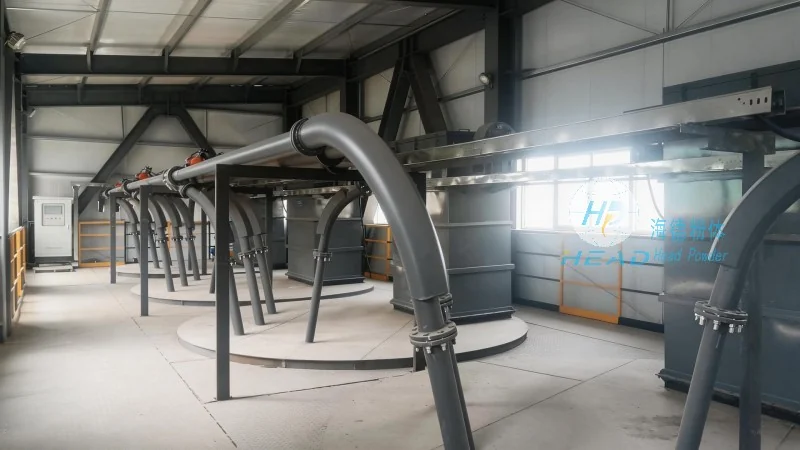
Working Principle of the Cement Gray Pneumatic Conveying System
The core of a cement gray pneumatic conveying system lies in its ability to utilize air as the primary medium for material transport. The process typically begins with the material being fed into a hopper or silo, where it is then drawn into a pipeline by a vacuum or pressure source. Depending on the system design, either suction (negative pressure) or pressure (positive pressure) is applied to move the material. In suction systems, a fan or blower creates a low-pressure zone that pulls the material and air mixture through the pipeline. Conversely, pressure systems use a high-pressure fan to push the material forward. The material is suspended in the air stream, allowing it to travel through the pipeline without direct contact with the pipe walls. This method ensures minimal wear and tear on the equipment and reduces the risk of material degradation.
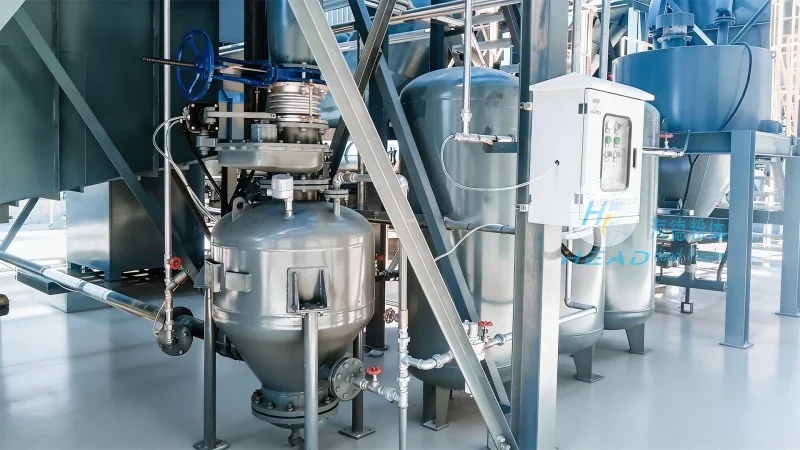
Key Features and Advantages of the System
Several key features distinguish cement gray pneumatic conveying systems from other material handling solutions. One of the most significant advantages is the high efficiency in material transport, as the system can move large volumes of material over long distances with minimal energy consumption. The technology also offers excellent flexibility, as it can be easily integrated into existing industrial setups or customized to meet specific operational requirements. Additionally, pneumatic conveying systems are highly effective in maintaining material quality, as they minimize exposure to external contaminants and reduce the risk of material breakage or segregation. Another notable feature is the ability to handle a wide range of particle sizes and densities, making it suitable for diverse cement gray applications. The system also contributes to a cleaner and safer working environment by eliminating the need for manual handling of bulk materials, reducing dust emissions and improving workplace safety.
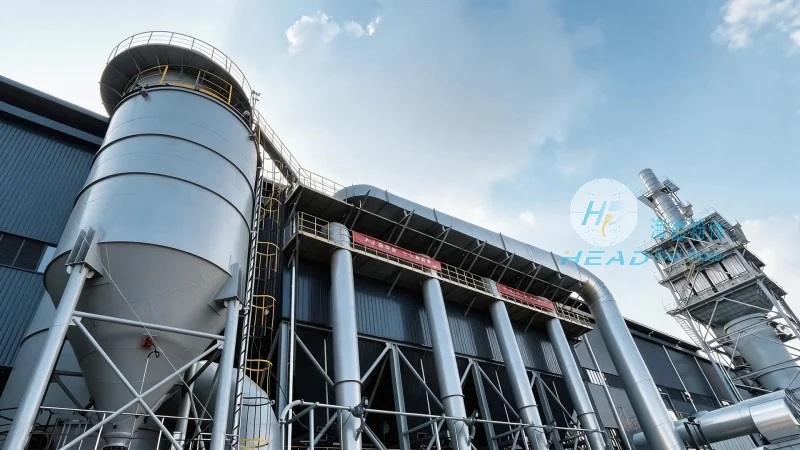
Company Profile: Shandong HeadPowder Engineering Co., Ltd.
HeadPowder, a leading manufacturer in the field of material handling equipment, specializes in the design, development, and production of pneumatic conveying systems. With a strong commitment to quality and innovation, the company has established itself as a trusted partner for industries requiring reliable and efficient material transport solutions. HeadPowder's products are engineered to meet international standards and are tailored to the specific needs of each client, ensuring optimal performance and durability. The company's headquarters is located in Shandong, China, where a team of experienced engineers and technicians work tirelessly to deliver cutting-edge solutions that enhance operational efficiency and reduce costs for their clients.
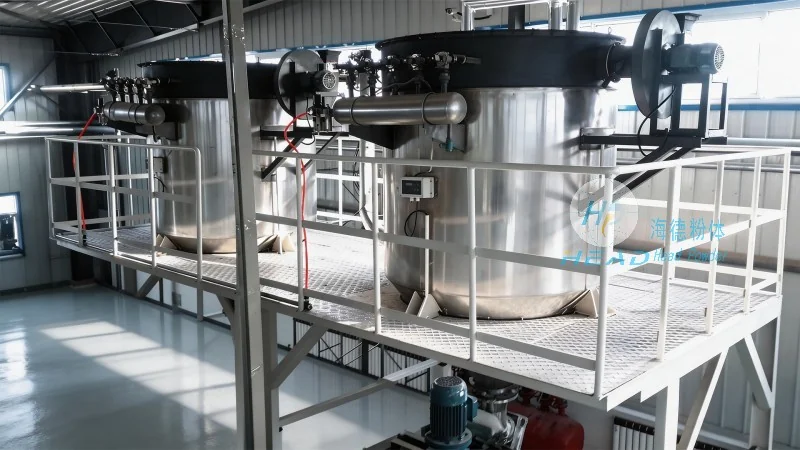
Application and Operational Considerations
Cement gray pneumatic conveying systems are widely used in various industries, including cement production, chemical processing, and food processing. The systems are particularly suitable for applications where material transport needs to be performed over long distances or in complex layouts. Operational considerations include the selection of the appropriate air pressure and flow rate to ensure efficient material transport, as well as the maintenance of the system to prevent downtime and ensure long-term performance. Regular cleaning and inspection of the pipeline and components are essential to maintain the system's efficiency and prevent material buildup or blockages. Additionally, the system's design should consider factors such as material characteristics, pipeline length, and environmental regulations to ensure compliance and optimal performance.