

What Comprises a Powder Coating Pneumatic Conveying System
Understanding the core components of a powder coating pneumatic conveying system is essential for businesses in the manufacturing and coating industries. This system is a critical piece of equipment designed to efficiently transport dry powder coatings, such as those used in powder coating applications, from storage to the application point. The components work in tandem to ensure a smooth, reliable, and efficient process, minimizing downtime and maximizing productivity. In this article, we will explore the key elements that make up a typical powder coating pneumatic conveying system, highlighting the role of each component in the overall operation.
The Primary Components of a Powder Coating Pneumatic Conveying System
A powder coating pneumatic conveying system typically consists of several essential parts. These components are designed to handle the unique properties of powder coatings, including their fine particle size, low bulk density, and potential for static charge. The main components include the hopper, feeder, conveying line, and receiver. Each of these elements plays a crucial role in the system's functionality, and their proper integration is vital for optimal performance.
The Hopper: Storage and Feeding
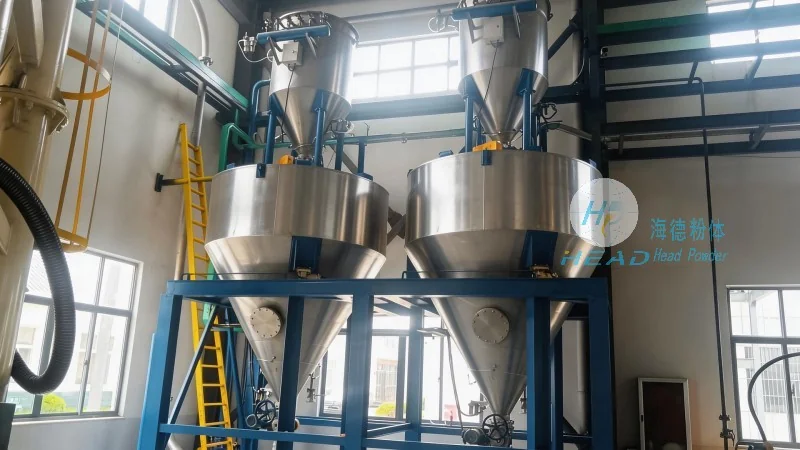
The hopper is the initial component where the powder coating is stored before it is conveyed. It is usually made of stainless steel or other corrosion-resistant materials to prevent contamination and ensure the longevity of the system. The hopper's design often includes a conical bottom to facilitate the flow of powder, reducing the risk of clogging or bridging. Some hoppers are equipped with a vibratory feeder or a rotary valve at the bottom to control the flow rate of the powder. This control is essential for maintaining a consistent and steady feed to the downstream components, ensuring the conveying system operates smoothly without interruptions.
The Feeder: Controlling the Flow
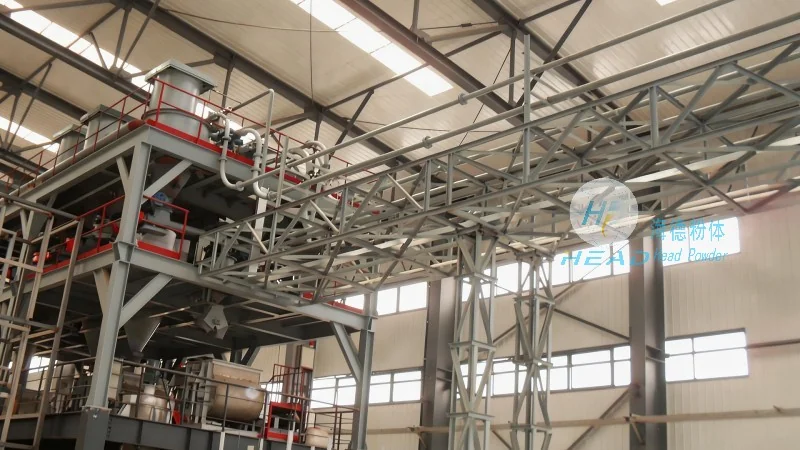
The feeder is a critical component that regulates the amount of powder being fed into the conveying line. It works in conjunction with the hopper to ensure a uniform flow of powder. There are different types of feeders, such as rotary valves, vibratory feeders, or screw feeders, each with its own advantages depending on the specific application and powder characteristics. The feeder's role is to prevent overfeeding or underfeeding, which can lead to system inefficiencies or equipment damage. For powder coatings, the feeder must be able to handle fine particles without causing excessive wear or blockages. Proper maintenance of the feeder is also crucial to maintain consistent performance over time.
The Conveying Line: Transporting the Powder
The conveying line is the heart of the pneumatic system, responsible for transporting the powder from the feeder to the receiver. It is typically made of stainless steel or plastic, depending on the type of powder and the environment. The line can be either a rigid pipe or a flexible hose, with the choice depending on the system's layout and the distance to be covered. The conveying line is connected to a blower or a vacuum pump, which provides the necessary air pressure or suction to move the powder particles. The design of the line, including the diameter and the number of bends, affects the system's efficiency and the pressure drop across the line. Proper sizing and layout of the conveying line are essential to minimize energy consumption and ensure the powder reaches the receiver without degradation or loss.
The Receiver: Collecting the Powder
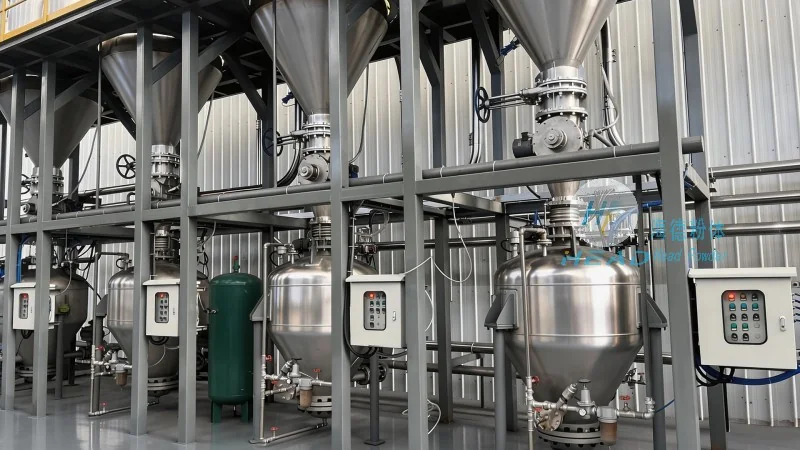
The receiver is the final component in the system, where the powder is deposited after being conveyed. It is usually a large container or a hopper that can hold the processed powder. The receiver is designed to be compatible with the hopper and the conveying line, ensuring a smooth transition of the powder. Some receivers are equipped with a discharge valve or a rotary valve to control the release of the powder to the next stage of the process, such as a spray booth or a mixing unit. The receiver's design also includes features to prevent dust emissions and ensure safety, as powder coatings can be a source of airborne particles. Proper sealing and filtration are important to maintain a clean and safe working environment.
The Blower or Vacuum Pump: Powering the System
The blower or vacuum pump is the source of the air pressure or suction that drives the powder through the conveying line. It is a critical component that determines the system's capacity and efficiency. The choice between a positive displacement blower and a centrifugal blower depends on the system's requirements, such as the distance to be covered and the amount of powder to be conveyed. The blower's capacity is measured in terms of air volume and pressure, and it must be matched to the system's needs to ensure optimal performance. Regular maintenance of the blower, including cleaning and lubrication, is essential to maintain its efficiency and prevent breakdowns. A well-maintained blower ensures the system operates at peak performance, reducing energy costs and extending the equipment's lifespan.
The Control System: Managing the Operation
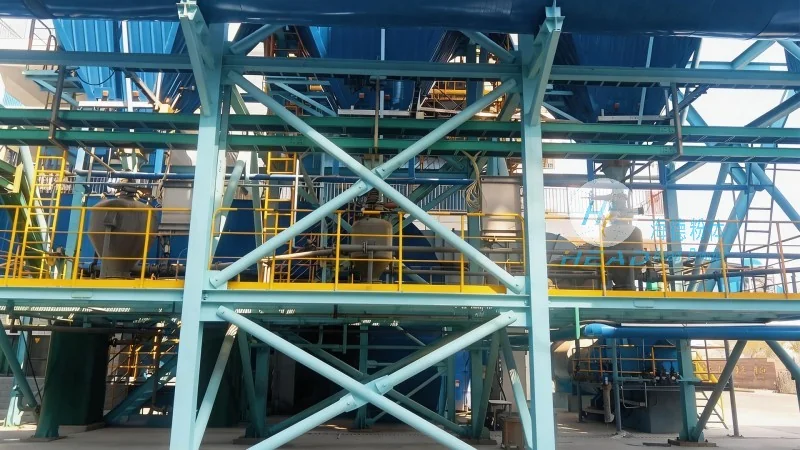
The control system is the brain of the powder coating pneumatic conveying system, responsible for managing the operation of all components. It includes sensors, valves, and a control panel that monitors and regulates the flow of powder, air pressure, and other parameters. The control system ensures that the hopper, feeder, and blower work in sync, preventing overfeeding or underfeeding and maintaining consistent pressure. It also provides alerts and notifications in case of system faults or deviations from the set parameters. Modern control systems are often equipped with digital displays and programmable logic controllers (PLCs), allowing for easy adjustments and monitoring of the system's performance. The control system is essential for maintaining the system's efficiency and ensuring the quality of the powder coating process.
Conclusion: The Importance of Each Component
In conclusion, a powder coating pneumatic conveying system is a complex but essential piece of equipment that relies on the proper integration of several components. Each component, from the hopper to the receiver, plays a crucial role in the system's operation, and their proper functioning is vital for the overall efficiency and productivity of the coating process. Understanding the components and their roles helps in maintaining the system, troubleshooting issues, and optimizing performance. For businesses in the powder coating industry, investing in a well-designed and properly maintained pneumatic conveying system is a key step towards improving their operations and ensuring high-quality coating results.