

Working Principle and Features of Phenolic Powder Pneumatic Conveying Systems
Phenolic powder, also known as Bakelite powder, is a widely used industrial material in sectors such as automotive, electronics, and construction. Efficient transportation of this material is critical for industrial processes, and pneumatic conveying systems have become a preferred solution. This article explores the working principle and key features of phenolic powder pneumatic conveying systems, highlighting their advantages and practical applications.
Understanding the Working Principle of Phenolic Powder Pneumatic Conveying Systems
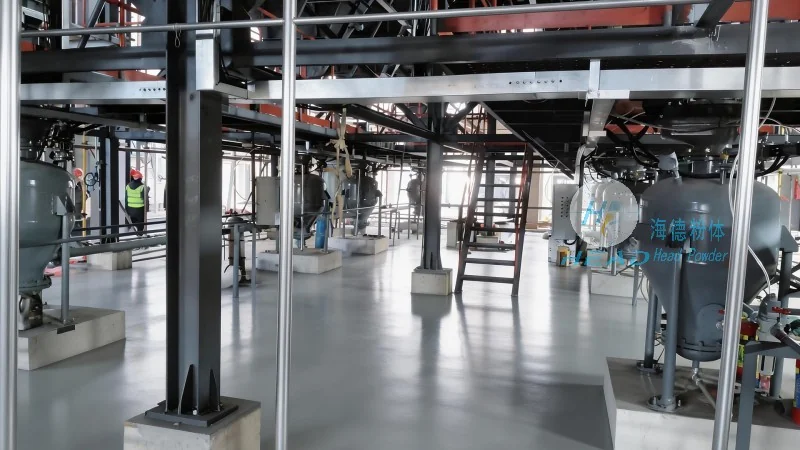
The core of a phenolic powder pneumatic conveying system is transporting dry powders through a pipeline using air or other gases. The system operates on the principle of creating a pressure differential or using vacuum to move material from the source to the destination. Two main types exist: pressure systems, which use compressed air to push powder, and vacuum systems, which employ a vacuum pump to draw material. Key components include a hopper for storage, a feeder to control flow, a conveying line, and a receiver for discharged material. The system ensures phenolic powder is transported without degradation, maintaining quality and consistency.
Key Features of Phenolic Powder Pneumatic Conveying Systems
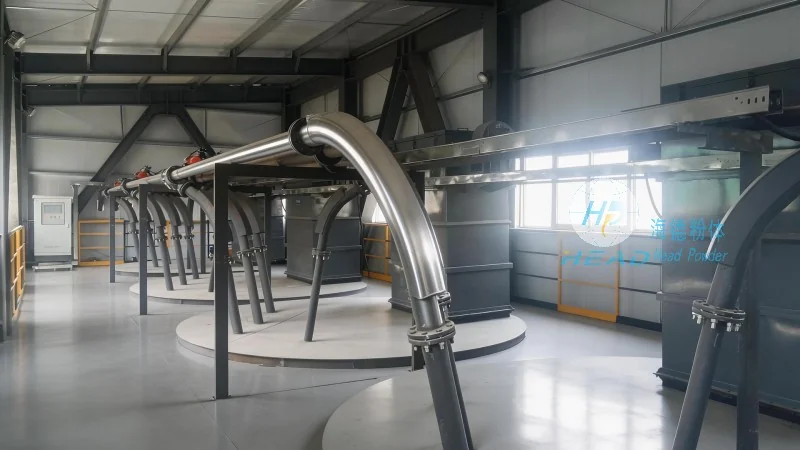
Phenolic powder pneumatic conveying systems offer distinct features suitable for handling this material. First, they provide a closed-loop system, controlling dust emissions and maintaining a clean environment—critical for fine, potentially hazardous phenolic powders. Second, these systems are energy-efficient and fast, transporting large volumes over long distances with minimal loss and high throughput. Third, they are flexible and adaptable, integrating with existing industrial setups. This adaptability is vital for companies upgrading or expanding material handling without disruptions. Additionally, advanced control mechanisms ensure precise flow regulation and safety, such as pressure relief valves and overfill protection.
Advantages and Practical Applications
Adopting phenolic powder pneumatic conveying systems brings significant advantages to industrial operations. Manual handling is eliminated, reducing labor costs and improving workplace safety. The closed system minimizes dust contamination and environmental pollution, aiding regulatory compliance. High efficiency and reliability boost productivity and reduce downtime. Practical applications span industries: automotive (transporting phenolic resins for brake pads/clutch parts), electronics (circuit boards/insulation materials), and construction (phenolic-based adhesives/composite materials). These systems optimize material flow and enhance operational efficiency across sectors.
Conclusion
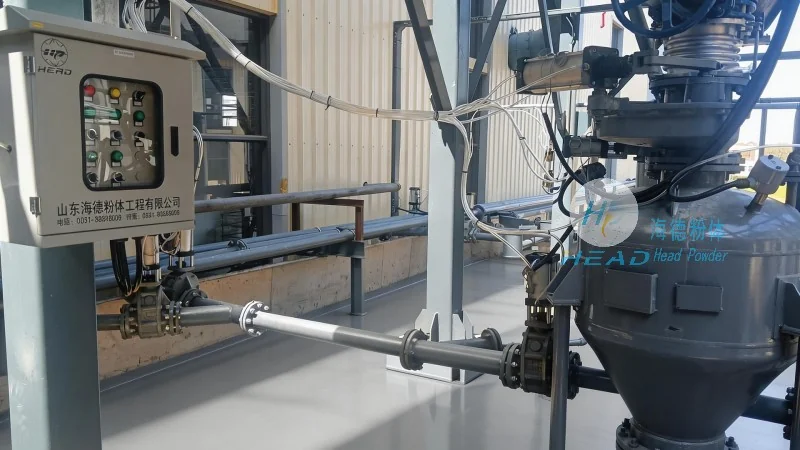
Phenolic powder pneumatic conveying systems represent a sophisticated solution for efficient, safe transportation of phenolic powders. Their working principle (pneumatic pressure or vacuum) and key features (closed-loop operation, energy efficiency, adaptability) make them ideal for industrial use. As industries seek reliable, sustainable material handling, these systems remain essential for processing and distributing phenolic materials. For companies enhancing material handling capabilities, understanding these systems is key to informed decisions and operational optimization.