

What Comprises the Pneumatic Conveying of Sodium Sulphate
For industries dealing with sodium sulphate, understanding the components of its pneumatic conveying system is crucial for efficient material handling and operational reliability. This article provides an overview of the key elements that constitute a typical sodium sulphate pneumatic conveying setup, emphasizing the technical and practical aspects essential for effective implementation.
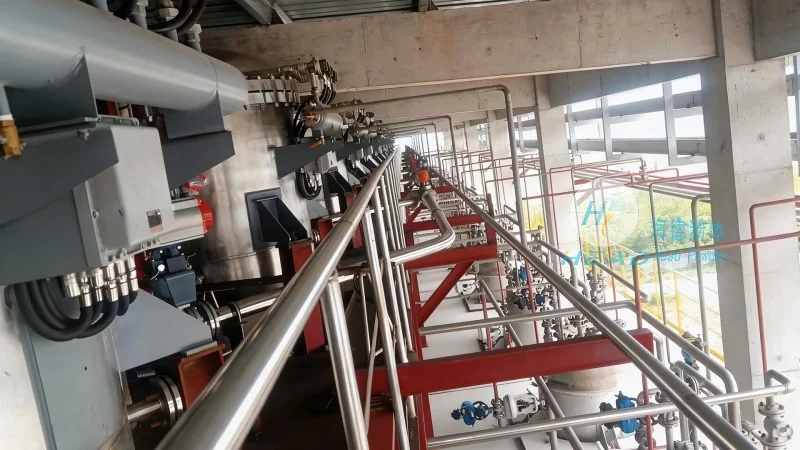
Key Components of Sodium Sulphate Pneumatic Conveying Systems
The pneumatic conveying of sodium sulphate typically involves several interconnected components designed to ensure the safe and efficient transport of the material. These components work in synergy to maintain the integrity of the sodium sulphate and optimize the conveying process. The primary components include the material hopper, the air supply system, the conveying line, and the dust collection or separation equipment. Each of these elements plays a vital role in the overall functionality of the system.
Material Hopper and Storage
The material hopper is the initial component where sodium sulphate is stored before being conveyed. It is designed to hold the bulk material and facilitate its discharge into the conveying line. The hopper is usually equipped with a feeder mechanism, such as a rotary valve or a screw feeder, which controls the flow rate of the sodium sulphate into the system. The design of the hopper is critical to prevent material bridging or caking, which can disrupt the conveying process. Proper material handling within the hopper ensures a consistent feed rate, which is essential for maintaining the efficiency of the pneumatic conveying system.
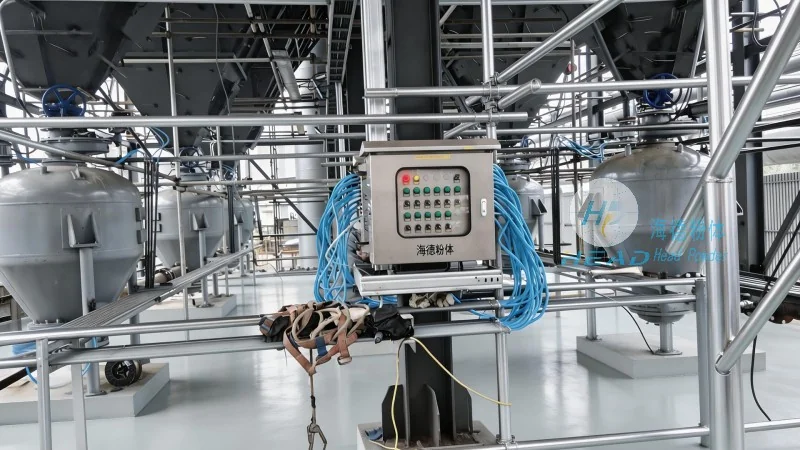
Air Supply System and Pressure Control
The air supply system is a critical component that provides the necessary pressure and volume of air to move the sodium sulphate through the conveying line. This system typically includes a blower or a compressor, which generates the required airflow. The pressure levels are carefully controlled to ensure that the sodium sulphate particles are entrained and transported effectively without causing excessive wear on the system components. The air supply system also incorporates pressure regulators and filters to maintain consistent air quality and prevent contaminants from entering the conveying line, which could affect the purity of the sodium sulphate.
Conveying Line and Pipe Design
The conveying line, usually made of stainless steel or other corrosion-resistant materials, is the pathway through which the sodium sulphate and air mixture travels. The design of the pipe is crucial to minimize pressure losses and ensure smooth flow. The pipe diameter and length are selected based on the material characteristics, such as particle size and density, as well as the required conveying distance. The conveying line may include bends, elbows, and other fittings that are designed to handle the flow of the material without causing blockages or excessive pressure drops. Proper pipe design and maintenance are essential to prevent wear and tear, which can lead to system inefficiencies or failures.
Dust Collection and Separation Equipment
Due to the fine nature of sodium sulphate particles, dust collection and separation equipment are essential components of the pneumatic conveying system. These systems, such as cyclones or baghouses, are used to separate the sodium sulphate particles from the air stream and collect them for reuse or disposal. The efficiency of the dust collection system is critical to maintaining air quality and preventing environmental contamination. Proper maintenance of these components ensures that the system operates effectively and meets regulatory requirements. The collected sodium sulphate is typically returned to the material hopper or stored for further processing, ensuring minimal material loss during the conveying process.
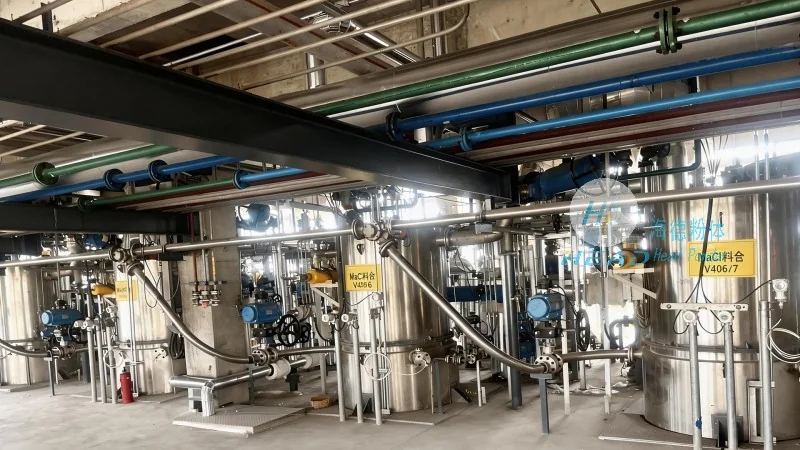
Control and Monitoring Systems
Modern sodium sulphate pneumatic conveying systems are equipped with control and monitoring systems to ensure optimal operation. These systems may include sensors to monitor pressure, flow rate, and material level, as well as control valves and automation equipment to adjust the system parameters in real-time. The control systems help maintain consistent performance and prevent issues such as overpressure or material blockages. Regular monitoring and maintenance of these systems are essential to ensure the longevity and reliability of the pneumatic conveying equipment. The integration of advanced control technologies allows for better management of the conveying process, leading to improved efficiency and reduced operational costs.
Conclusion
In summary, the pneumatic conveying of sodium sulphate is a complex process that relies on a combination of carefully designed components working together. From the material hopper to the dust collection system, each element plays a vital role in ensuring the efficient and safe transport of sodium sulphate. Understanding these components and their functions is essential for industries that rely on pneumatic conveying for their material handling needs. By optimizing the design and maintenance of these components, companies can enhance the performance of their sodium sulphate conveying systems and achieve better operational outcomes.