

What Comprises the Pneumatic Conveying of Light Calcium Powder
Light calcium powder pneumatic conveying systems are essential in industrial applications for the efficient transport of light calcium powder. Understanding the components of such systems is crucial for optimizing performance and ensuring reliable operation. This article explores the key elements that constitute a typical light calcium powder pneumatic conveying system, providing insights into the technology and its practical implementation.
Core Components of Light Calcium Powder Pneumatic Conveying
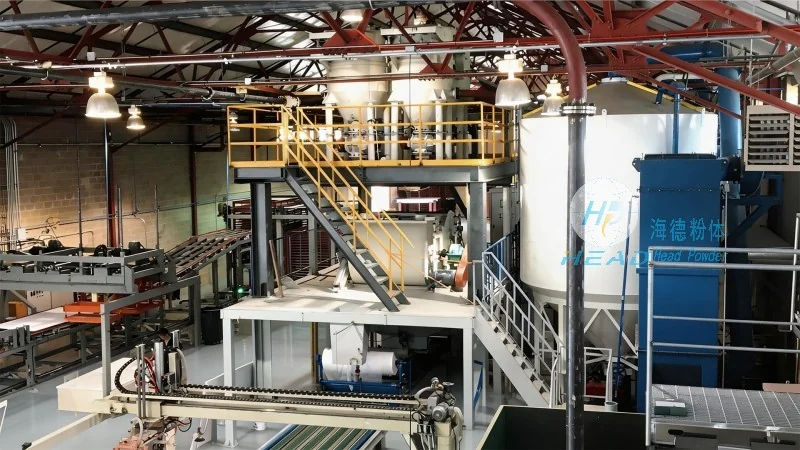
The pneumatic conveying of light calcium powder typically involves several interconnected components that work in harmony to achieve the desired material transport. These components are designed to handle the specific properties of light calcium powder, such as its low density and fine particle size, which can affect system efficiency and reliability. The primary components include the material feed system, the conveying line, the air supply system, and the dust collection or separation unit. Each of these components plays a vital role in the overall operation of the system.
Material Feed System
The material feed system is the starting point of the light calcium powder pneumatic conveying process. It is responsible for introducing the light calcium powder into the conveying line in a controlled manner. Common feed methods include rotary valves, star feeders, and screw feeders, which are chosen based on the characteristics of the powder and the system requirements. The feed system must ensure a consistent and uniform flow of material to prevent blockages or uneven conveying. Proper sealing and maintenance of the feed equipment are critical to avoid material leakage and maintain system efficiency.
Conveying Line
The conveying line is the main pathway through which the light calcium powder is transported. It can be classified into two main types: dilute phase and dense phase systems. Dilute phase systems use high-velocity air to move the powder particles in a dispersed state, while dense phase systems use lower air velocities to transport the powder in a more concentrated form. The choice between these systems depends on factors like the distance to be covered, the required flow rate, and the sensitivity of the powder to air flow. The conveying line is usually made of materials resistant to corrosion and wear, such as stainless steel or plastic, to ensure durability and prevent contamination of the light calcium powder.
Air Supply System
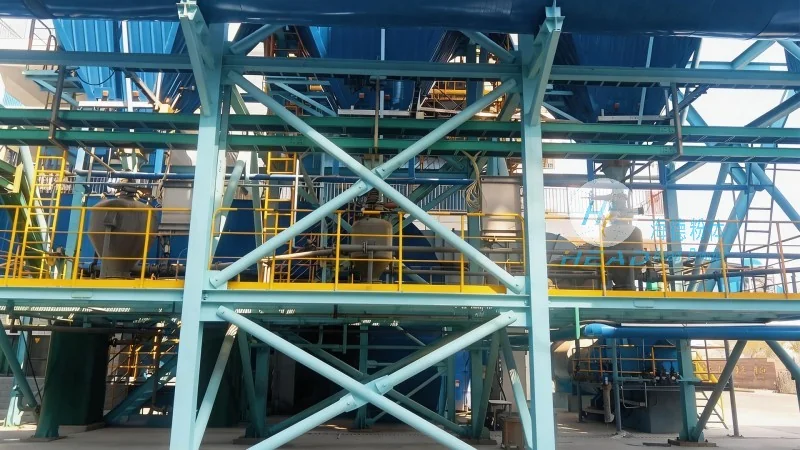
The air supply system provides the necessary airflow to move the light calcium powder through the conveying line. It typically consists of a blower or a fan that generates the required pressure and volume of air. The air supply system must be capable of delivering sufficient air at the appropriate pressure to ensure the efficient transport of the powder. In some cases, the air may be filtered and conditioned to remove contaminants and maintain the purity of the light calcium powder. Proper maintenance of the air supply equipment is essential to prevent performance degradation and ensure consistent operation.
Dust Collection and Separation Unit
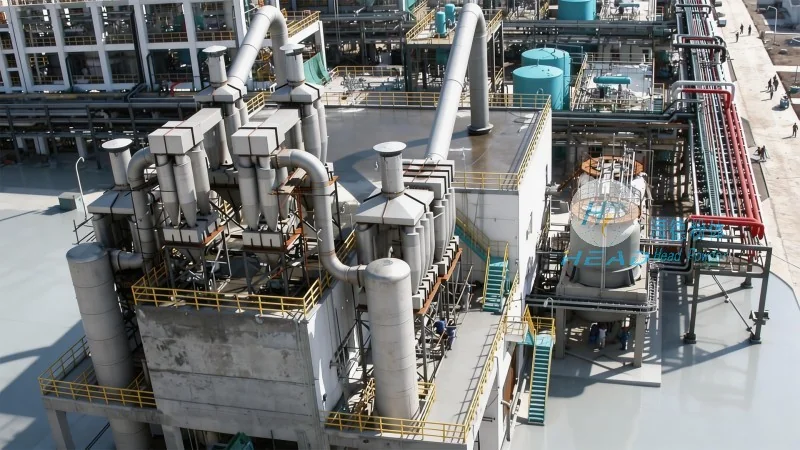
The dust collection and separation unit is a critical component for maintaining the cleanliness and safety of the light calcium powder pneumatic conveying system. It is responsible for separating the light calcium powder from the air stream and collecting it in a suitable container. Common dust collection methods include cyclone separators, bag filters, and cartridge filters. These units are designed to capture fine particles of light calcium powder and prevent them from being released into the environment. The efficiency of the dust collection system is crucial for meeting environmental regulations and ensuring the health and safety of personnel working with the system.
Additional Supporting Components
Beyond the core components mentioned above, a light calcium powder pneumatic conveying system may include additional supporting elements to enhance its performance and reliability. These may include pressure regulators to control the air pressure, check valves to prevent backflow, and flow meters to monitor the air and powder flow rates. These components help in maintaining the stability of the system and providing real-time data for process optimization. Proper integration and calibration of these supporting components are essential for the smooth operation of the entire system.
Role of Shandong HeadPowder Engineering Co., Ltd.
Shandong HeadPowder Engineering Co., Ltd., commonly known as HeadPowder, is a leading provider of pneumatic conveying solutions for light calcium powder applications. With a focus on innovation and quality, HeadPowder designs and manufactures systems tailored to the specific needs of its clients. The company's expertise lies in understanding the unique properties of light calcium powder and developing customized solutions that optimize material transport efficiency. HeadPowder's systems are engineered to meet the highest standards of performance, reliability, and safety, ensuring that clients can achieve their production goals with minimal downtime and operational costs. The company's commitment to customer satisfaction and technical excellence has made it a trusted partner in the industry for light calcium powder handling and conveying.
Conclusion
In summary, the pneumatic conveying of light calcium powder is a complex process that relies on a combination of carefully selected components working together. The material feed system, conveying line, air supply system, and dust collection unit are the core elements that enable the efficient transport of light calcium powder. Additional supporting components and the expertise of companies like Shandong HeadPowder Engineering Co., Ltd. further enhance the performance and reliability of these systems. By understanding the components and their functions, industries can optimize their light calcium powder handling processes, leading to improved productivity and reduced operational costs.