

Working Principle and Features of Cement Raw Material Pneumatic Conveying Equipment
Cement raw material transportation is a critical process in cement production, ensuring the efficient movement of raw materials from storage to processing units. The choice of conveying equipment significantly impacts production efficiency, cost, and environmental compliance. Among the various options available, pneumatic conveying systems have emerged as a preferred solution for transporting cement raw materials due to their versatility and efficiency. These systems utilize air as the medium to transport bulk materials, offering advantages such as high capacity, flexibility, and reduced material degradation compared to traditional methods like belt conveyors or bucket elevators.

Working Principle of Cement Raw Material Pneumatic Conveying Equipment
The working principle of cement raw material pneumatic conveying equipment is based on the fundamental concept of using air to move solid particles through a pipeline. There are two primary types of pneumatic conveying systems: positive pressure and negative pressure. Positive pressure systems operate by generating a high-pressure airflow using a fan or blower, which pushes the material through the pipeline. The material is typically fed into a hopper or feeder, where it is mixed with the pressurized air and then discharged through the pipeline to the destination. The conveying line is designed to handle the pressure and flow rate, with appropriate fittings and valves to control the material transport. In contrast, negative pressure systems use a vacuum to draw material from the source into the pipeline. A fan or vacuum pump creates a low-pressure environment, which sucks the material from the hopper or storage silo into the pipeline. The material is then transported to the processing unit, and the air is filtered and returned to the system. The choice between positive and negative pressure systems depends on factors such as the distance to be covered, the material characteristics, and the desired environmental impact.
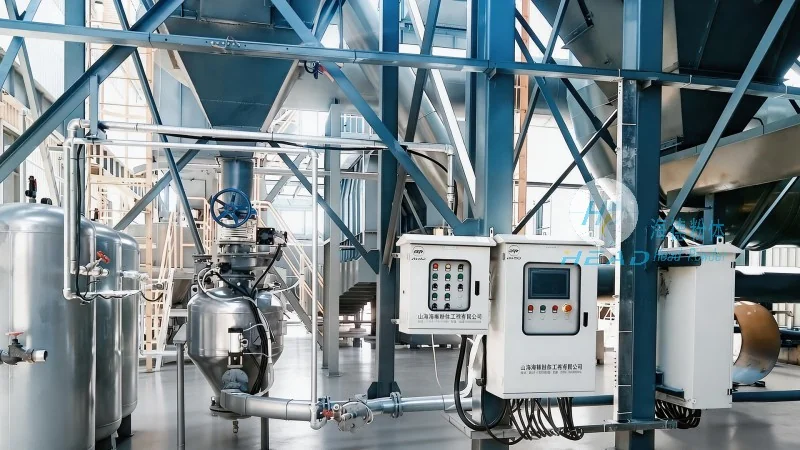
The core components of a pneumatic conveying system include the feeder, conveying line, separator, and receiver. The feeder is responsible for controlling the flow rate of the raw material, ensuring a consistent and stable supply to the system. It can be a screw feeder, a rotary valve, or a pressure feeder, depending on the specific requirements. The conveying line is made of materials such as stainless steel or plastic, designed to withstand the pressure and temperature of the material and air. The separator is a critical component that separates the material from the air, typically using a cyclone or bag filter. The receiver collects the material after it has been transported, and the air is filtered to remove any dust or particles before being returned to the system. This closed-loop system minimizes environmental emissions and ensures efficient material handling.
Key Features of Cement Raw Material Pneumatic Conveying Equipment
Cement raw material pneumatic conveying equipment offers several key features that make it an attractive choice for cement manufacturers. Firstly, it provides high efficiency in material transport, with the ability to handle large volumes of raw materials over long distances. The system can transport materials up to several kilometers, making it suitable for large-scale cement plants. Secondly, pneumatic conveying systems are flexible and can be easily reconfigured to accommodate changes in the plant layout or production requirements. The modular design allows for the addition or removal of components without major modifications, reducing downtime and installation costs. Thirdly, the equipment is relatively compact, requiring less floor space compared to other conveying methods. This is particularly beneficial in plants with limited space or where space optimization is a priority.
Another important feature is the ability to control the material flow precisely. The feeder and control system allow for adjustments in the flow rate, ensuring that the processing unit receives the exact amount of material needed. This reduces the risk of overloading or underloading the processing equipment, which can lead to inefficiencies or equipment damage. Additionally, pneumatic conveying systems offer better control over material quality. The closed system minimizes exposure to moisture and contaminants, which can affect the quality of the cement. The system also reduces material degradation, as the material is not subjected to excessive friction or impact during transport. This results in higher quality raw materials and improved final product quality.
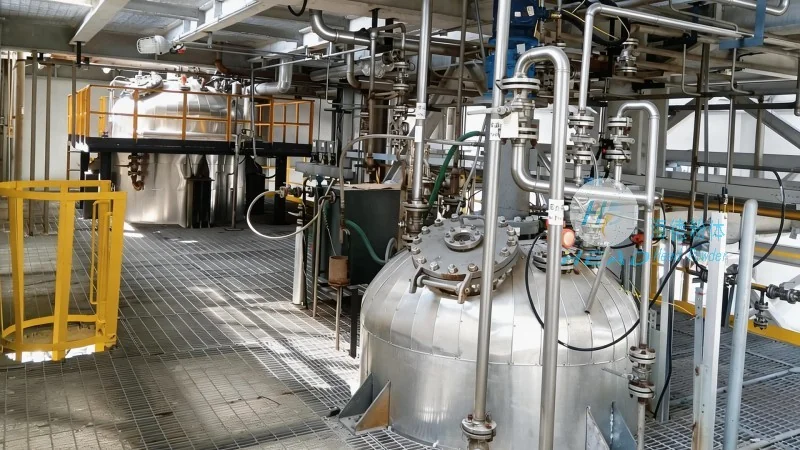
The environmental benefits of pneumatic conveying systems are also significant. By using a closed-loop system, the equipment minimizes dust emissions and ensures compliance with environmental regulations. The air is filtered and returned to the system, reducing the impact on the surrounding environment. This is particularly important in regions with strict environmental standards. Furthermore, the system can be designed to use energy-efficient components, such as high-efficiency fans and motors, reducing energy consumption and operating costs. The overall effect is a more sustainable and environmentally friendly operation.
About Shandong HeadPowder Engineering Co., Ltd.
Shandong HeadPowder Engineering Co., Ltd. is a leading manufacturer of cement raw material handling equipment, specializing in the design, manufacturing, and supply of pneumatic conveying systems. With years of experience in the cement industry, the company has developed advanced solutions that meet the specific needs of modern cement production. HeadPowder's products are known for their high quality, reliability, and efficiency, ensuring optimal performance in various industrial applications. The company's team of skilled engineers and technicians is dedicated to providing innovative and customized solutions to its clients. HeadPowder's facilities are located in Shandong, China, where it employs state-of-the-art manufacturing processes and quality control measures to ensure that every product meets the highest standards. The company's commitment to customer satisfaction and technological advancement has made it a trusted partner for many cement manufacturers worldwide. Whether it's a new plant or an upgrade to an existing system, HeadPowder offers comprehensive support, from initial design and installation to ongoing maintenance and service. This comprehensive approach ensures that clients receive not only high-quality equipment but also long-term value and performance.