

Components of Cement and Fly Ash Pneumatic Conveying
When it comes to industrial material handling, especially for fine powders such as cement and fly ash, pneumatic conveying systems offer a highly effective solution. These systems utilize air pressure to transport materials through a network of pipes, eliminating the need for mechanical components that might cause wear and tear or contamination. The core components of a cement and fly ash pneumatic conveying system work in tandem to ensure efficient and safe material transport, making it a preferred choice in various industrial sectors.
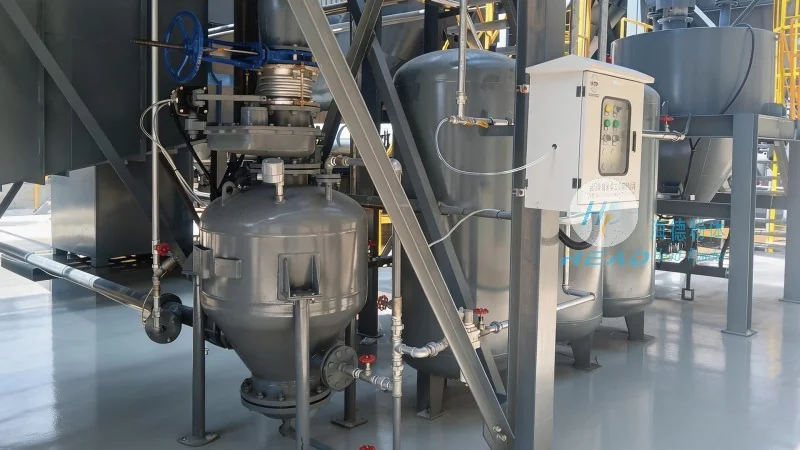
Key Components of the Pneumatic Conveying System
The pneumatic conveying system for cement and fly ash typically consists of several essential parts, each playing a vital role in the overall operation. The primary components include the material feed hopper, the air source (blower or compressor), the conveying pipeline, the separation and collection equipment, and the control system. Each of these components is designed to work together seamlessly to achieve optimal performance.
Material Feed Hopper
The material feed hopper is the initial component where the cement or fly ash is stored before being introduced into the conveying system. It is usually equipped with a feeder, such as a rotary valve or a screw feeder, which controls the flow rate of the material into the pipeline. The hopper is designed to prevent material bridging and ensure a consistent feed, which is crucial for maintaining the stability of the conveying process. The design of the hopper, including its size and shape, is tailored to handle the specific characteristics of the cement and fly ash, such as particle size distribution and moisture content.
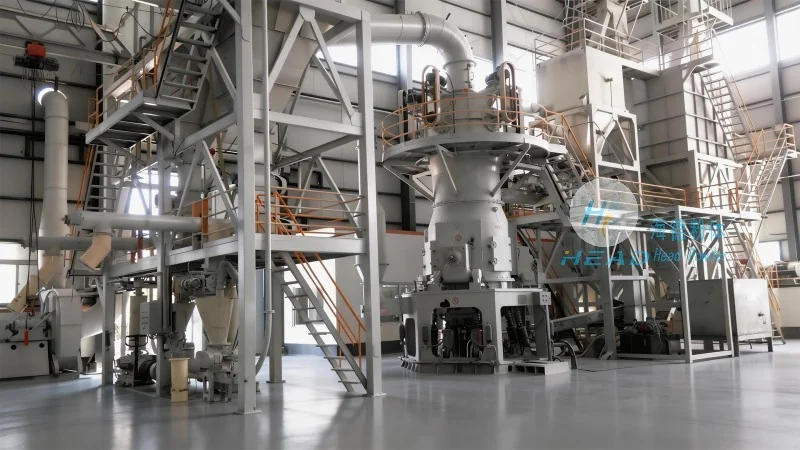
Air Source Equipment
The air source is the heart of the pneumatic conveying system, providing the necessary pressure and volume of air to move the material through the pipeline. Commonly used air sources include positive displacement blowers and centrifugal compressors. The choice of air source depends on factors like the required conveying distance, material properties, and system capacity. The air source must be capable of generating sufficient pressure to overcome the resistance in the pipeline and ensure that the material is transported at the desired velocity. Additionally, the air source should be equipped with filtration and moisture control features to prevent contamination of the material and ensure the longevity of the system components.
Conveying Pipeline
The conveying pipeline is the main channel through which the cement and fly ash are transported. It is typically made of materials such as stainless steel, PVC, or polyethylene, depending on the material being conveyed and the operating conditions. The pipeline is designed with smooth inner surfaces to minimize friction and pressure loss. The diameter and length of the pipeline are carefully selected based on the material flow rate, conveying distance, and the required air velocity. The pipeline may also include bends, elbows, and expansion joints to accommodate changes in direction and prevent material accumulation or blockages.
Separation and Collection Equipment
At the end of the conveying process, the separated material needs to be collected and stored. The separation equipment, often a cyclone separator or a baghouse filter, works by using centrifugal force to separate the material from the air stream. The cyclone separator is a common choice for cement and fly ash, as it efficiently separates the fine particles from the air, ensuring that the material is collected without significant loss. The collected material is then discharged into a storage silo or a hopper for further use. The separation equipment is designed to handle the high dust load and the abrasive nature of cement and fly ash, ensuring long-term operation without frequent maintenance.
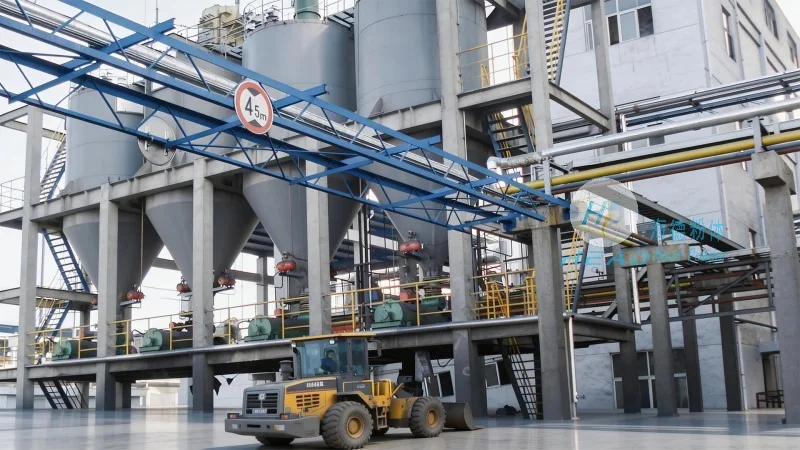
Control System
The control system is responsible for monitoring and regulating the operation of the pneumatic conveying system. It includes sensors, controllers, and valves that monitor parameters such as pressure, flow rate, and material level. The control system ensures that the system operates within safe and efficient parameters, automatically adjusting the air flow and material feed rate as needed. This helps to prevent overloading, underloading, or other operational issues that could lead to system failure or material loss. The control system also provides real-time data and alerts, allowing operators to quickly identify and address any problems that may arise during the conveying process.
Company Information: Shandong HeadPowder Engineering Co., Ltd.
As a leading manufacturer in the field of cement and fly ash pneumatic conveying systems, Shandong HeadPowder Engineering Co., Ltd. specializes in providing high-quality and reliable equipment for industrial material handling. With years of experience and a commitment to innovation, the company has developed advanced solutions that meet the diverse needs of various industries. The company's products are designed to be durable, efficient, and easy to maintain, ensuring that they provide long-term value to their customers. Based in Shandong, China, HeadPowder Engineering Co., Ltd. serves clients worldwide, delivering customized solutions that enhance operational efficiency and reduce costs.