

Components of Powdered Electrolyte Pneumatic Conveying
Shandong HeadPowder Engineering Co., Ltd. provides this overview of the key components that constitute a powdered electrolyte pneumatic conveying system. Understanding these elements is essential for ensuring efficient and reliable material handling in industrial processes, particularly in applications involving fine powders like those used in battery manufacturing or chemical processing.
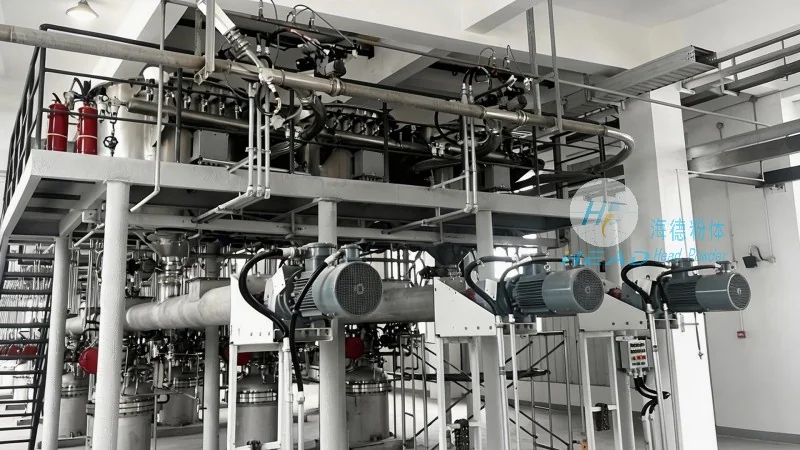
Pneumatic Conveying System Overview
A powdered electrolyte pneumatic conveying system is engineered to transport fine powders through a pressurized or vacuum environment. The system comprises several interconnected components that work together to achieve consistent material movement. These include the material feed hopper, conveying line, pressure/vacuum system, control mechanisms, and collection equipment, each serving a critical functional role in the overall operation.
Material Feed Hopper and Feeder
The material feed hopper serves as the initial storage vessel for the powdered electrolyte. It is typically constructed from corrosion-resistant materials such as stainless steel to prevent material degradation. Inside the hopper, a feeder—often a rotary valve or screw feeder—regulates the flow of material into the conveying line. This component ensures a steady and controlled discharge, preventing blockages and maintaining consistent flow rates. The feeder is designed to handle the specific characteristics of the electrolyte, such as its particle size and moisture content, to preserve material integrity.
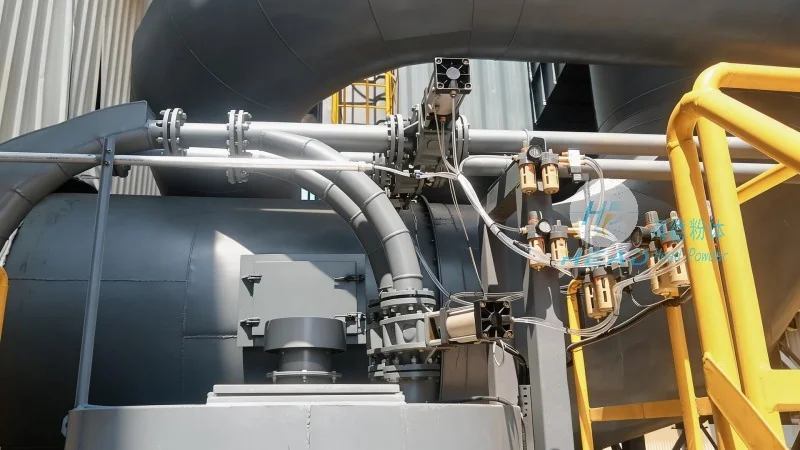
Conveying Line and Tubing
The conveying line forms the primary pathway for the powdered electrolyte. It is usually made of stainless steel or other durable materials to withstand the pressure and temperature conditions of the conveying process. The tubing is carefully selected to prevent material buildup, corrosion, or degradation, which could compromise the quality of the electrolyte and system efficiency. The line may include bends, elbows, and other fittings to direct the material to its destination, such as a storage tank or processing unit. These fittings are designed to minimize pressure loss and maintain material flow consistency.
Pressure or Vacuum System
The pneumatic conveying system relies on either a pressure or vacuum system to move the material. In a pressure system, compressed air or gas is introduced into the line, creating positive pressure that propels the powder forward. In a vacuum system, a vacuum pump generates negative pressure, drawing the material into the line. The system includes air compressors, vacuum pumps, and pressure regulators to control the flow rates and pressure levels. These components are essential for maintaining optimal material transport and preventing system failures due to overpressure or underpressure conditions.
Control and Monitoring Equipment
Advanced control and monitoring systems are integrated to ensure safe and efficient operation. Pressure sensors, flow meters, and control valves monitor the system's performance in real-time. The control system adjusts pressure, flow rate, and material feed based on sensor feedback, maintaining consistent operation. Safety features like pressure relief valves and emergency shut-off mechanisms are included to protect the system and personnel from potential hazards. This equipment enhances system reliability and reduces downtime by detecting and addressing issues promptly.
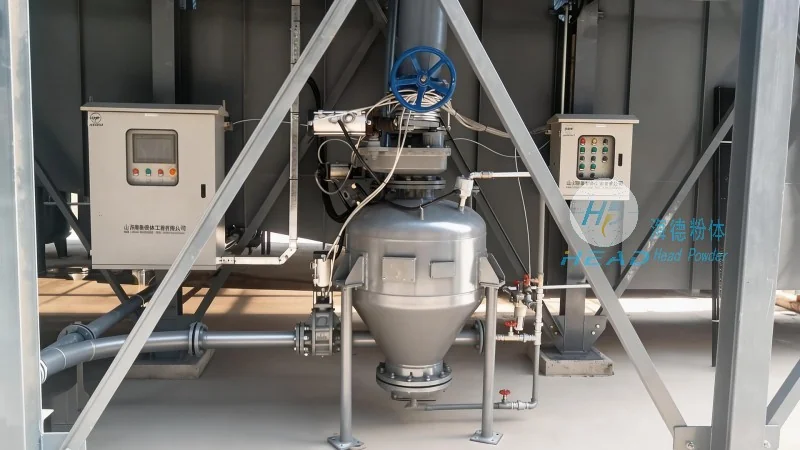
Collection and Discharge Equipment
The final component is the collection and discharge equipment, where the powdered electrolyte is deposited at its destination. This may include a receiving hopper, silo, or processing unit. The equipment is designed to handle the material gently, preventing segregation or agglomeration that could affect material properties. A discharge mechanism, such as a rotary valve or gate valve, controls the release of the material, ensuring a smooth and controlled flow into the next stage of the process. This component is critical for maintaining the quality of the electrolyte and ensuring seamless integration with downstream operations.
Conclusion
In summary, a powdered electrolyte pneumatic conveying system consists of several key components that work in harmony to achieve efficient material transport. From the material feed hopper and feeder to the conveying line and pressure/vacuum system, each element plays a vital role in maintaining the integrity and efficiency of the process. Understanding these components is essential for optimizing system performance and ensuring reliable operation in industrial applications. Shandong HeadPowder Engineering Co., Ltd. specializes in designing and manufacturing such systems to meet the diverse needs of industrial clients.