

What is a cocoa powder pneumatic conveyor? What are its design principles?
When it comes to handling cocoa powder in industrial settings, the choice of equipment can significantly impact efficiency, product quality, and operational costs. A key solution in this regard is the cocoa powder pneumatic conveyor, a system designed to transport fine powders like cocoa powder through the use of air pressure. This article will explore what a cocoa powder pneumatic conveyor is and delve into its fundamental design principles, providing insights into how such equipment operates and its advantages in the processing industry.
About HeadPowder: Your Expert in Powder Handling Solutions
HeadPowder, or Shandong HeadPowder Engineering Co., Ltd., is a leading manufacturer specializing in engineering solutions for powder handling and material transport. With a strong presence in China, particularly in Shandong, the company has built a reputation for delivering high-quality, reliable equipment tailored to the needs of the food and chemical industries. Their expertise lies in designing and manufacturing pneumatic conveying systems that ensure safe, efficient, and hygienic transport of sensitive materials like cocoa powder, which requires careful handling to maintain its quality and prevent contamination.
Understanding the Design Principles of a Cocoa Powder Pneumatic Conveyor
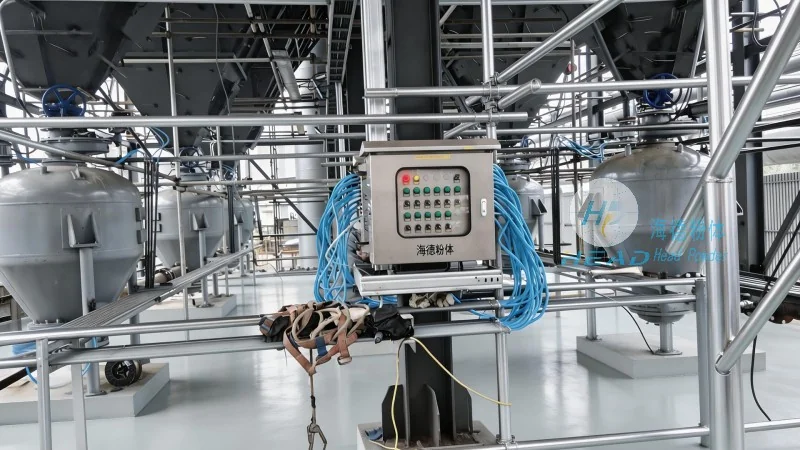
The core of a cocoa powder pneumatic conveyor lies in its ability to use air as the medium for transporting the powder. The design principles are centered around creating a pressure differential that propels the powder particles through a pipeline. There are primarily two types of pneumatic conveying systems: pressure and vacuum. For cocoa powder, which is often handled in food processing applications, a pressure system is commonly preferred due to its ability to maintain product integrity and prevent contamination from external air. The system typically consists of a hopper where the cocoa powder is stored, a blower or compressor that generates the air pressure, a pipeline network that transports the powder, and a receiver where the material is deposited.
In a pressure system, the blower creates positive pressure inside the pipeline, pushing the powder from the hopper through the system. The design must ensure that the air velocity is sufficient to keep the powder particles suspended and prevent them from settling or clogging the pipeline. This is achieved by calculating the appropriate air velocity based on the particle size, density, and flow rate of the cocoa powder. The pipeline diameter and length are also critical design factors, as they affect the pressure drop and energy consumption of the system. Additionally, the system includes components like filters and cyclones to separate the powder from the air, ensuring that the air is clean and the powder is free from contaminants before being collected in the receiver.
Key Features and Benefits of Cocoa Powder Pneumatic Conveyors
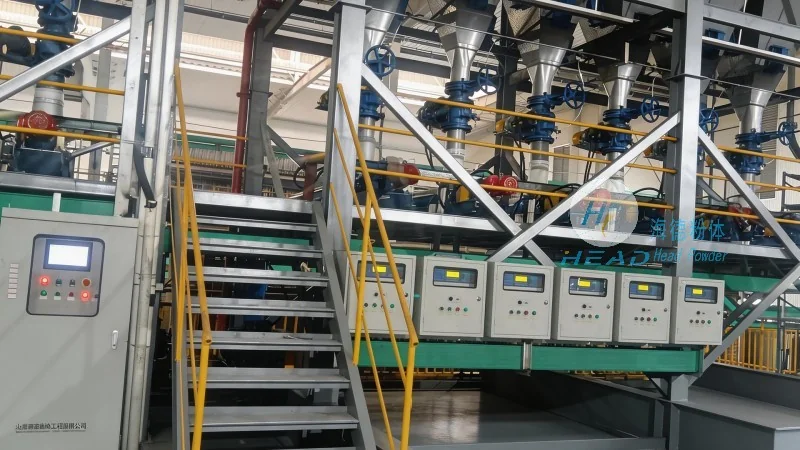
Implementing a cocoa powder pneumatic conveyor offers several advantages that make it an attractive option for industrial operations. One of the primary benefits is the hygienic and dust-free operation. Unlike traditional belt or bucket elevators, pneumatic conveyors do not involve direct contact between the powder and mechanical parts, reducing the risk of contamination and product degradation. This is particularly important for cocoa powder, which is a sensitive ingredient in food products and requires strict adherence to hygiene standards. The system also allows for a closed-loop operation, minimizing the exposure of the powder to the environment and preventing dust emissions that could affect air quality and worker health.
Another significant advantage is the efficiency and flexibility of the system. Pneumatic conveyors can handle a wide range of powder characteristics, including varying particle sizes and moisture content, making them suitable for different types of cocoa powder, such as natural, alkalized, or deodorized varieties. The design can be customized to accommodate different flow rates and production volumes, allowing for scalability as a business grows. Additionally, the system is relatively compact compared to other bulk material handling equipment, saving space in the processing facility and reducing installation costs. The ability to transport the powder over long distances without the need for multiple transfer points also enhances operational efficiency and reduces downtime.
Applications and Use Cases in the Food Industry
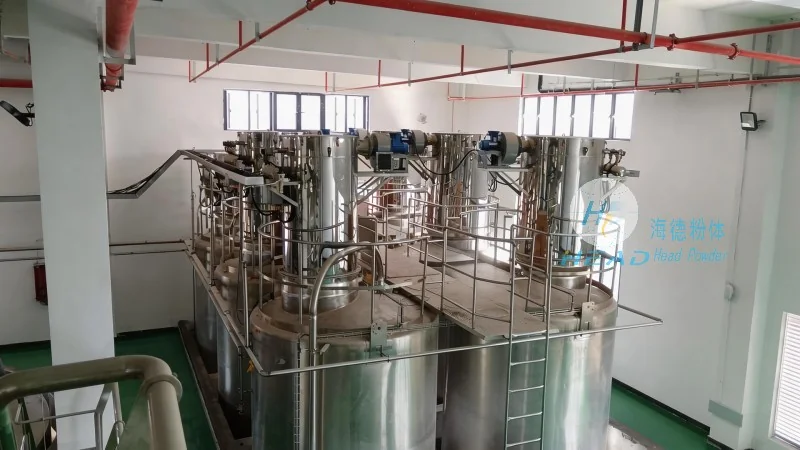
Cocoa powder pneumatic conveyors are widely used in the food processing industry, particularly in chocolate manufacturing and confectionery production. They are essential for transporting cocoa powder from storage silos to processing lines, such as mixers, extruders, or coating machines. The system ensures that the cocoa powder is delivered in a consistent and controlled manner, which is crucial for maintaining the quality of the final product. For example, in chocolate production, the precise control of cocoa powder flow is vital for achieving the desired flavor and texture. The pneumatic conveyor can be integrated with other processing equipment, such as dosing systems or mixers, to create a seamless production line that minimizes manual handling and reduces the risk of human error.
In addition to chocolate manufacturing, the equipment is also used in the production of cocoa-based beverages, such as hot chocolate or cocoa drinks. The ability to transport the powder efficiently and hygienically ensures that the final product meets the quality standards required by consumers. The system can also be adapted for other applications, such as the transport of other fine powders in the food industry, such as spices, sugar, or milk powders, making it a versatile solution for various processing needs.
Conclusion: Choosing the Right Pneumatic Conveyor for Your Cocoa Powder Handling Needs
For businesses dealing with cocoa powder, investing in a well-designed pneumatic conveyor system is a strategic decision that can enhance operational efficiency, maintain product quality, and ensure compliance with industry standards. The design principles of such equipment, focusing on air pressure, particle suspension, and hygienic operation, make it an ideal choice for handling sensitive materials like cocoa powder. By partnering with a reputable manufacturer like Shandong HeadPowder Engineering Co., Ltd., companies can ensure that they have access to reliable, customized solutions that meet their specific requirements. Whether for small-scale or large-scale operations, a cocoa powder pneumatic conveyor can provide the performance and durability needed to support long-term success in the food processing industry.