

Components of High-Alumina Fly Ash Pneumatic Conveying
High-alumina fly ash, a byproduct of coal combustion in thermal power plants, is a valuable material used in various industrial applications. The efficient and reliable transport of this material from its source to processing or storage facilities is crucial for optimizing production workflows. Pneumatic conveying systems have emerged as a preferred method for handling high-alumina fly ash due to their ability to manage dust, control flow, and ensure minimal environmental impact. This article explores the key components that make up a high-alumina fly ash pneumatic conveying system, highlighting the technology and equipment designed to handle this specific material efficiently.
Core Components of High-Alumina Fly Ash Pneumatic Conveying
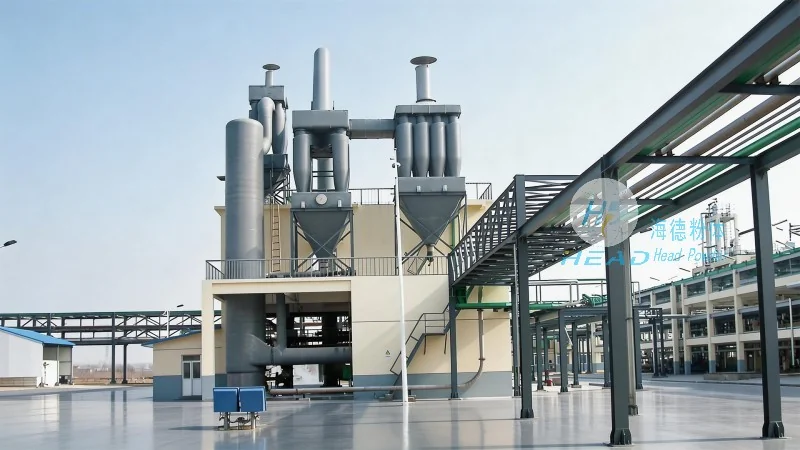
The high-alumina fly ash pneumatic conveying system consists of several interconnected components that work in tandem to ensure smooth material transport. Each component plays a critical role in maintaining the system's performance, safety, and efficiency. The primary components include the material feed system, the conveying pipeline, the air supply system, and the control and monitoring equipment. Understanding each of these components is essential for appreciating how the entire system operates and how it can be optimized for specific industrial needs.
Material Feed System
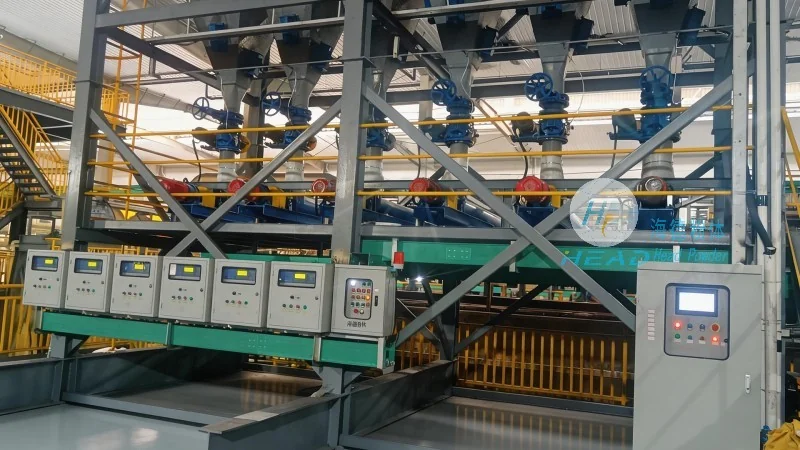
The material feed system is the initial stage of the high-alumina fly ash pneumatic conveying process. It is responsible for introducing the fly ash into the conveying pipeline. For high-alumina fly ash, which can be abrasive and have varying particle sizes, the feed system must be designed to handle these characteristics effectively. Common feed mechanisms include rotary valves, screw feeders, and pressure vessels. These devices ensure a consistent and controlled flow of material into the system, preventing blockages and maintaining the integrity of the conveying process. The choice of feed equipment depends on factors such as the ash's moisture content, particle size distribution, and the required flow rate. For example, rotary valves are often preferred for their ability to handle high volumes of material and their self-cleaning properties, which are beneficial when dealing with abrasive fly ash.
Air Supply System
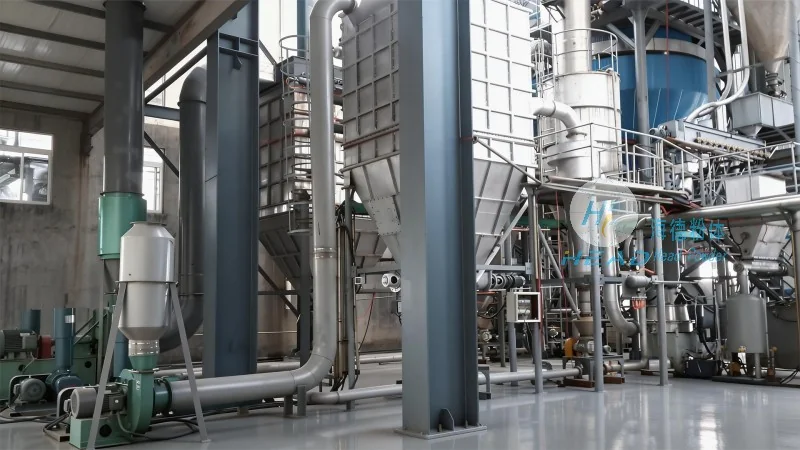
The air supply system is a critical component that provides the necessary pressure and volume of air to move the high-alumina fly ash through the conveying pipeline. This system typically includes a blower or compressor, air filters, and pressure regulators. The blower generates the airflow, while the filters ensure that the air is clean and free from contaminants that could affect the material or the equipment. Pressure regulators maintain a consistent pressure level, which is essential for controlling the flow rate and preventing system overloads. The type of air supply equipment used depends on the system's capacity and the required conveying distance. For longer distances or higher material loads, higher-pressure blowers may be employed to ensure adequate airflow and maintain material transport efficiency.
Conveying Pipeline
The conveying pipeline is the main channel through which the high-alumina fly ash is transported. It is usually made of materials that can withstand the abrasive nature of the fly ash and the pressure of the air flow. Common materials for the pipeline include stainless steel, aluminum, and high-density polyethylene (HDPE). The pipeline design, including its diameter and length, is carefully selected based on the material's flow characteristics and the system's capacity. For high-alumina fly ash, which can cause wear and tear on the pipeline, using corrosion-resistant and abrasion-resistant materials is crucial to extend the system's lifespan and reduce maintenance costs. Additionally, the pipeline may include bends, elbows, and other fittings that are designed to minimize pressure losses and maintain the material's flow velocity. Properly designed and maintained pipelines are essential for ensuring the efficient and reliable transport of high-alumina fly ash.
Control and Monitoring Systems
Control and monitoring systems are vital for managing the high-alumina fly ash pneumatic conveying process. These systems include sensors, control panels, and automation software that monitor key parameters such as pressure, flow rate, and material level. The sensors provide real-time data, allowing operators to detect any deviations or issues in the system. For instance, pressure sensors can alert operators to changes in airflow or blockages, while flow sensors can indicate the material's transport rate. The control panels allow operators to adjust system settings, such as air pressure or feed rate, to optimize performance. Automation software can also be integrated to automate the process, reducing the need for manual intervention and improving overall efficiency. These systems ensure that the high-alumina fly ash is transported safely and efficiently, minimizing downtime and maximizing productivity.
About Shandong HeadPowder Engineering Co., Ltd.
Shandong HeadPowder Engineering Co., Ltd., commonly known as HeadPowder, is a leading provider of pneumatic conveying solutions for high-alumina fly ash and other industrial materials. With its headquarters in Shandong, China, HeadPowder specializes in designing, manufacturing, and installing custom pneumatic conveying systems tailored to the specific needs of its clients. The company's expertise lies in understanding the unique properties of high-alumina fly ash and developing systems that can handle its abrasive and variable characteristics effectively. HeadPowder's team of engineers and technicians work closely with clients to assess their material handling requirements, recommend suitable equipment, and ensure the successful implementation of the conveying systems. By leveraging advanced technology and years of industry experience, HeadPowder delivers reliable and efficient pneumatic conveying solutions that help clients optimize their production processes and reduce operational costs.