

Components of PP Pellet Pneumatic Conveying
PP (polypropylene) pellet pneumatic conveying systems are essential in various industrial applications, facilitating the efficient transport of polypropylene pellets from one location to another. Understanding the components that make up such systems is crucial for optimizing performance, ensuring reliability, and maintaining operational efficiency. This article provides an overview of the key components involved in PP pellet pneumatic conveying, highlighting their functions and importance.
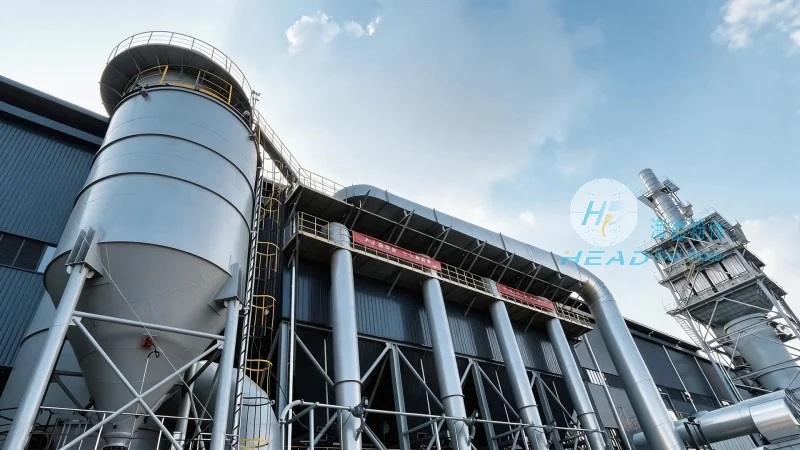
Key Components of PP Pellet Pneumatic Conveying
The PP pellet pneumatic conveying system typically consists of several critical components that work in tandem to achieve effective material transport. These components are designed to handle the unique properties of PP pellets, such as their density, flow characteristics, and potential for static electricity. The primary components include the material feed system, the conveying line, the air supply system, and the control and monitoring equipment.
Material Feed System
The material feed system is the initial stage of the PP pellet pneumatic conveying process. It is responsible for accurately and consistently feeding the PP pellets into the conveying line. This component often includes a hopper or a silo that stores the pellets, a feeder mechanism (such as a rotary valve or a screw feeder) that regulates the flow rate, and a feeder control system that ensures the material is delivered at the desired rate. The design of the feed system is critical to prevent blockages, ensure uniform flow, and maintain the integrity of the PP pellets. For instance, the use of a rotary valve can help minimize the risk of material bridging or clogging, which are common issues in pneumatic conveying systems. The feeder control system, often integrated with sensors, allows for real-time adjustments to the feed rate based on system conditions, enhancing overall efficiency and preventing overloading or underloading of the conveying line.
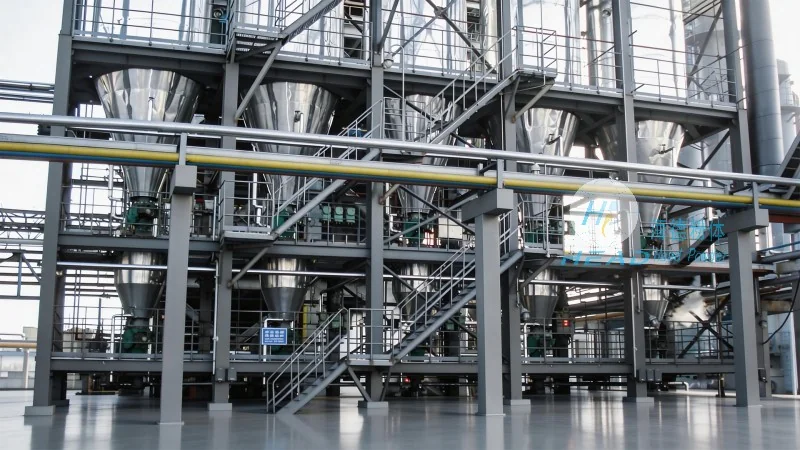
Conveying Line
The conveying line is the core of the PP pellet pneumatic conveying system, responsible for transporting the PP pellets through the system. It typically consists of a pipeline made from materials resistant to the abrasive and corrosive nature of PP pellets and the conveying air. Common materials for the pipeline include stainless steel, aluminum, or specialized plastic composites that can withstand the mechanical stress and chemical exposure. The pipeline is designed with appropriate bends and elbows to guide the flow of pellets and air, ensuring smooth and continuous transport. The diameter and length of the conveying line are carefully selected based on the required conveying capacity, the distance between the feed and discharge points, and the properties of the PP pellets. For example, a larger diameter line may be used for higher volume applications, while shorter lines might require smaller diameters to maintain adequate air velocity for effective conveying. The conveying line may also include features such as air locks or check valves to prevent backflow and maintain the direction of material movement.
Air Supply System
The air supply system provides the necessary pressure and volume of air to move the PP pellets through the conveying line. This system typically includes a blower or a compressor that generates the required airflow, a filter to remove contaminants from the air, and a pressure regulator to maintain consistent air pressure. The choice of air supply equipment depends on the system's capacity and the specific requirements of the PP pellets. For instance, a positive displacement blower is often preferred for high-pressure applications, while a centrifugal compressor may be used for larger volume systems. The air filter is crucial to prevent dust or other particles from entering the system, which could damage the equipment or affect the quality of the PP pellets. The pressure regulator ensures that the air pressure remains stable, preventing fluctuations that could lead to inconsistent conveying performance or material handling issues.
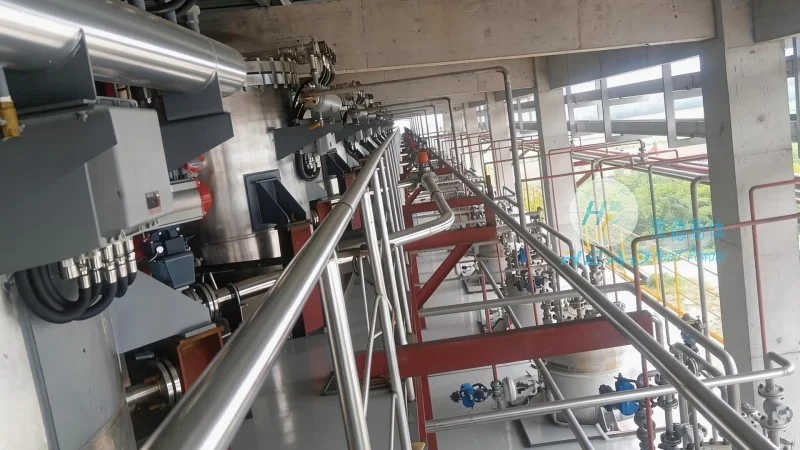
Control and Monitoring Equipment
The control and monitoring equipment is essential for managing and optimizing the operation of the PP pellet pneumatic conveying system. This component includes sensors, control panels, and automation systems that monitor key parameters such as pressure, flow rate, temperature, and material level. The sensors provide real-time data about the system's performance, allowing operators to detect and address issues promptly. For example, pressure sensors can alert operators to changes in air pressure that may indicate a blockage or a drop in conveying efficiency. Flow rate sensors help ensure that the feed rate matches the conveying capacity, preventing overloading or underloading. The control panel integrates all the sensors and control devices, providing a centralized interface for operators to adjust system settings and monitor performance. Automation systems can also be integrated to perform tasks such as starting and stopping the system, adjusting feed rates, and alerting operators to maintenance needs. This level of control and monitoring enhances the reliability and efficiency of the PP pellet pneumatic conveying system, reducing downtime and improving overall operational performance.
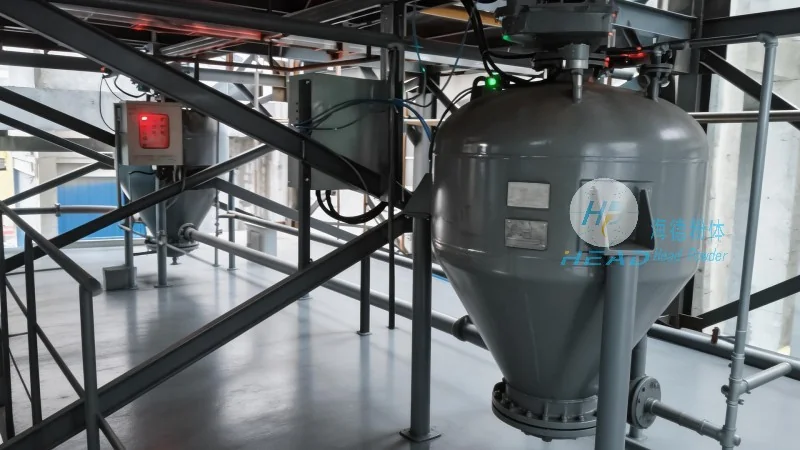
Additional Components and Considerations
Beyond the primary components, PP pellet pneumatic conveying systems may include additional elements to enhance performance and safety. These may include dust collection systems to capture and remove airborne particles, silencers to reduce noise levels, and safety interlocks to prevent unauthorized access or operation. The dust collection system is particularly important in industrial settings where dust can be a health hazard or cause environmental issues. It typically consists of a filter or a cyclone separator that captures the dust and returns it to the system or disposes of it safely. The silencer helps reduce the noise generated by the blower or compressor, making the system more suitable for use in environments where noise levels are regulated. Safety interlocks, such as emergency stop buttons or interlocks on the feeder, ensure that the system can be quickly shut down in case of an emergency, preventing accidents and protecting personnel.
Conclusion
In summary, PP pellet pneumatic conveying systems are composed of several critical components that work together to achieve efficient and reliable material transport. The material feed system, conveying line, air supply system, and control and monitoring equipment are all essential for the proper operation of the system. Each component plays a specific role in ensuring that the PP pellets are conveyed safely and effectively. Understanding these components and their functions is vital for optimizing system performance, minimizing downtime, and maintaining the quality of the PP pellets. For businesses involved in the handling and processing of PP pellets, investing in a well-designed and properly maintained pneumatic conveying system is crucial for operational success.