

[Cotton Seed Pneumatic Conveying Design Calculation and Equipment Selection]
Efficient and reliable cotton seed handling is crucial in the agricultural processing industry. Pneumatic conveying systems offer a versatile solution for transporting cotton seeds from one location to another, ensuring minimal product damage and operational efficiency. The design of such systems involves meticulous calculations and careful equipment selection to meet specific operational requirements. This article delves into the design calculation process and equipment selection for cotton seed pneumatic conveying systems, highlighting the expertise of Shandong HeadPowder Engineering Co., Ltd., a leading provider in this field.
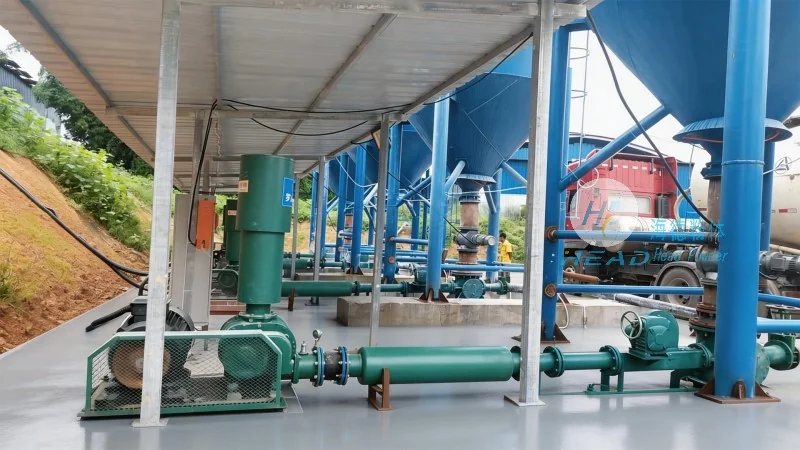
Understanding Pneumatic Conveying for Cotton Seeds
Pneumatic conveying systems utilize air to transport bulk materials like cotton seeds through a network of pipes. These systems are preferred over traditional mechanical conveying methods due to their ability to handle delicate materials without causing breakage or contamination. The core components of a pneumatic conveying system include a material feeder, a conveying line, a separation unit, and a dust collector. Each component plays a critical role in the overall performance and efficiency of the system.
Design Calculation Fundamentals
The design of a cotton seed pneumatic conveying system begins with accurate calculations to determine the necessary parameters for optimal operation. Key design considerations include the required conveying capacity, the distance and layout of the conveying line, and the characteristics of the cotton seed material. The first step is to calculate the material flow rate, which is typically expressed in terms of mass per unit time. This is essential for determining the size and capacity of the feeder and the conveying line.
Next, the pressure drop across the conveying line is calculated. This involves considering factors such as the material's density, particle size distribution, and the air velocity within the pipe. The pressure drop is a critical parameter as it determines the power required to operate the system and the overall energy efficiency. Engineers use established formulas and empirical data to estimate the pressure drop, ensuring that the system operates within safe and efficient limits.
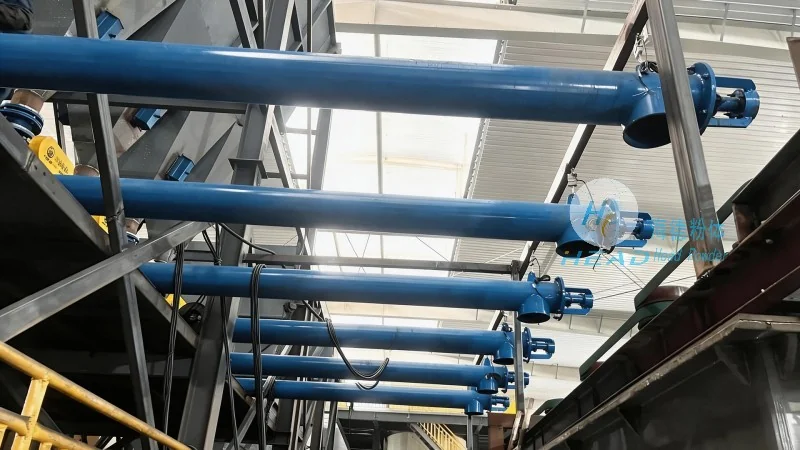
Equipment Selection for Cotton Seed Conveying
After completing the design calculations, the next step is to select the appropriate equipment for the system. The choice of equipment depends on the specific requirements of the cotton seed handling operation. For instance, the material feeder is selected based on the flow rate and the material's properties. Common types of feeders include rotary valves, star feeders, and screw feeders, each with its own advantages and limitations.
The conveying line itself is typically made of stainless steel or other corrosion-resistant materials to withstand the abrasive nature of cotton seeds. The pipe diameter and length are determined based on the calculated flow rate and pressure drop. The selection of the conveying line diameter is crucial as it directly impacts the air velocity and the pressure drop. A larger diameter may reduce the pressure drop but increase the initial cost and space requirements.
The separation unit, often a cyclone separator or a baghouse filter, is used to separate the cotton seeds from the air stream. The choice of separation equipment depends on the required separation efficiency and the dust content of the material. Cyclone separators are effective for separating larger particles, while baghouse filters provide higher efficiency for fine dust. The dust collector is also selected based on the dust load and the need for air filtration to comply with environmental regulations.
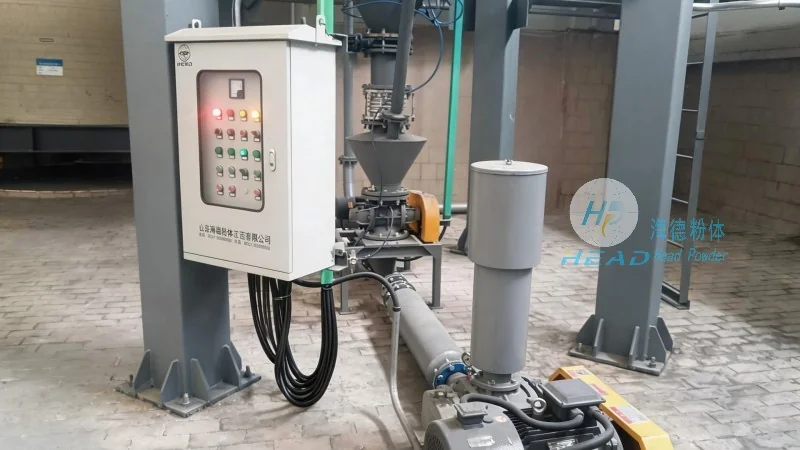
Role of Shandong HeadPowder Engineering Co., Ltd.
Shandong HeadPowder Engineering Co., Ltd., commonly known as headpowder, is a reputable company specializing in the design and manufacturing of pneumatic conveying systems. With a strong presence in China, particularly in Shandong province, the company has extensive experience in handling various bulk materials, including cotton seeds. The company's team of engineers and technicians utilizes advanced design software and methodologies to ensure that each system is tailored to the specific needs of the client.
HeadPowder provides comprehensive services, from initial design and calculation to equipment selection and installation. The company's expertise lies in its ability to integrate the latest technologies and materials into the system design, ensuring high performance, reliability, and longevity. Clients benefit from the company's commitment to quality and customer satisfaction, as evidenced by its long-standing reputation in the industry.
Conclusion
In conclusion, the design calculation and equipment selection for cotton seed pneumatic conveying systems are critical steps in ensuring efficient and reliable material handling. By following a systematic approach and leveraging the expertise of experienced engineers, such as those at Shandong HeadPowder Engineering Co., Ltd., operators can achieve optimal performance and cost-effectiveness. The proper design and selection of components not only enhance the operational efficiency of the system but also contribute to the overall sustainability and profitability of the cotton seed processing operation.