

Design Considerations for Sulfur Powder Pneumatic Conveying Systems
When designing a pneumatic conveying system for sulfur powder, several critical factors must be considered to ensure efficiency, safety, and longevity. The process of transporting sulfur powder via air involves complex interactions between the material properties, system components, and operational parameters. This article outlines key design considerations that professionals in the field should address.
Key Material Properties and Their Impact on System Design
The physical and chemical characteristics of sulfur powder significantly influence the selection of equipment and system configuration. Sulfur powder is typically a fine, dry material with specific density, particle size distribution, and flowability. These properties affect the air velocity required for reliable transport, the risk of clogging, and the potential for dust explosion hazards. For instance, fine particles may require higher air velocities to prevent settling, while larger particles might need different nozzle designs to maintain consistent flow. Understanding these material properties is essential for optimizing the system's performance and preventing operational issues.
System Components and Their Role in Sulfur Powder Conveying
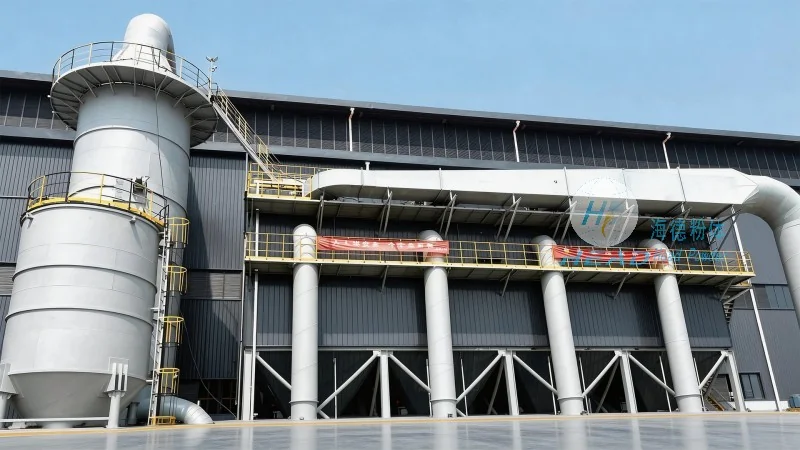
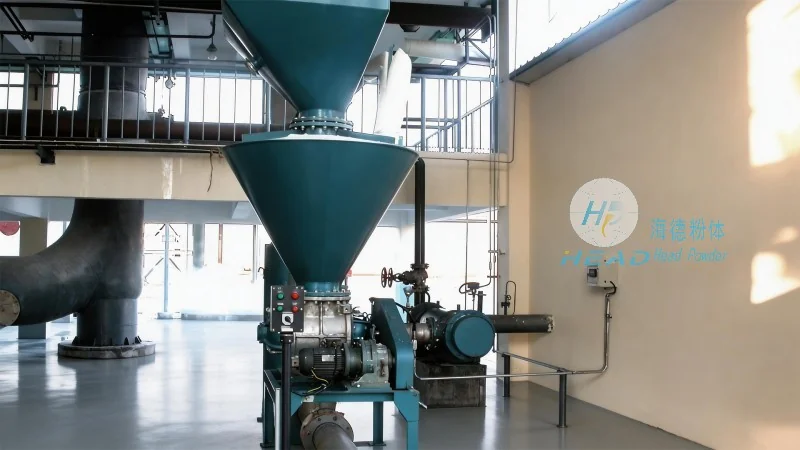
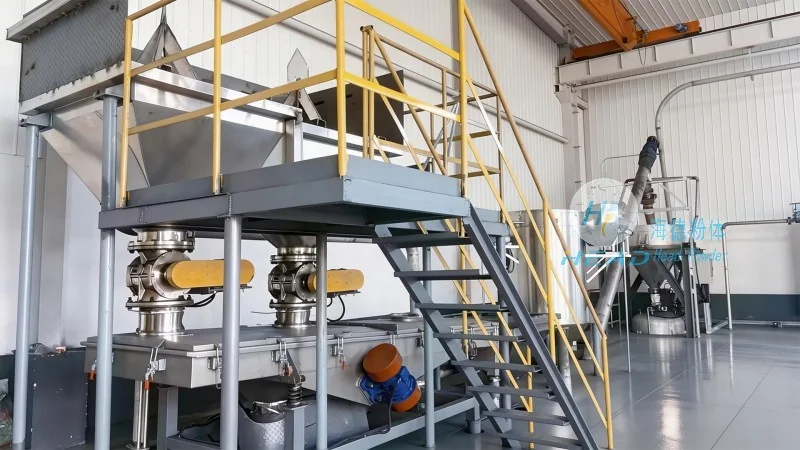
A pneumatic conveying system for sulfur powder consists of several core components, each with specific functions. The primary components include the material feed hopper, air supply system (blowers or compressors), conveying lines, and discharge equipment. The feed hopper must be designed to handle the bulk storage and controlled release of sulfur powder, often incorporating level sensors and flow control valves to regulate the material feed rate. The air supply system provides the necessary pressure and volume of air to move the powder through the conveying lines. This component must be selected based on the system's capacity and the required air velocity. Conveying lines are typically made of materials resistant to sulfur's corrosive properties, such as stainless steel or specialized coatings. The discharge equipment, such as rotary valves or pneumatic actuators, ensures the powder is released into the target container or process without causing blockages or spills.
Design Considerations for Air Velocity and Pressure
Optimizing air velocity and pressure is crucial for the efficient transport of sulfur powder. Air velocity must be sufficient to overcome the gravitational forces acting on the powder particles and maintain a stable flow within the conveying lines. However, excessive air velocity can lead to increased energy consumption and potential damage to downstream equipment. Conversely, insufficient velocity may cause clogging or material settling, reducing system throughput. The pressure in the system is directly related to the air velocity and the length of the conveying line. For short distances, lower pressure may suffice, while longer distances or higher material loads require higher pressure to maintain consistent flow. Engineers must calculate the required air velocity and pressure based on the material's properties, system length, and desired throughput. This calculation often involves empirical formulas and practical experience to ensure the system operates within safe and efficient parameters.
Preventing Clogging and Ensuring Flowability
Clogging is a common challenge in sulfur powder pneumatic conveying systems, especially when dealing with fine or cohesive particles. To mitigate this issue, several design strategies are employed. One approach is to use a combination of positive and negative pressure zones within the system, which helps maintain consistent flow and prevent material accumulation. Another strategy is to incorporate vibration or agitation devices in the feed hopper or conveying lines to break up any agglomerates and improve flowability. Additionally, the design of the conveying lines, including the use of bends and elbows with smooth transitions, reduces the risk of particle buildup. Regular maintenance, such as cleaning and inspection of the system components, is also essential to prevent clogging over time. By addressing flowability issues proactively, the system can maintain high throughput and minimize downtime.
Addressing Safety and Environmental Concerns
Sulfur powder is a hazardous material due to its potential to cause dust explosions and respiratory issues. Therefore, safety is a top priority in system design. The system must be equipped with explosion-proof components, such as blowers and control panels, to prevent ignition sources. Dust collection systems are also essential to capture any airborne particles and prevent environmental contamination. The design must comply with relevant safety standards and regulations, such as those from the Occupational Safety and Health Administration (OSHA) or the National Fire Protection Association (NFPA). Additionally, proper ventilation and dust suppression systems are implemented to maintain a safe working environment. By prioritizing safety, the system not only protects personnel but also ensures compliance with regulatory requirements, reducing the risk of fines or operational disruptions.
Energy Efficiency and System Optimization
Energy efficiency is a critical consideration in the design of sulfur powder pneumatic conveying systems, as these systems can consume significant amounts of power. Optimizing the system's energy consumption involves several strategies. First, selecting the appropriate air velocity and pressure reduces unnecessary energy use while maintaining performance. Second, using high-efficiency blowers or compressors minimizes energy losses. Third, implementing variable speed drives allows for adjustments in air flow based on the system's demand, further reducing energy consumption during low-load operations. Regular maintenance, including cleaning of filters and checking for air leaks, also contributes to energy efficiency. By focusing on energy optimization, the system can operate more cost-effectively and reduce its environmental impact.
Conclusion and Recommendations
Designing a sulfur powder pneumatic conveying system requires a comprehensive approach that considers material properties, system components, operational parameters, and safety regulations. By addressing these key factors, engineers can develop a system that is efficient, reliable, and safe. It is essential to work with experienced professionals who understand the unique challenges of sulfur powder and can provide tailored solutions. For those seeking expert guidance in designing such systems, Shandong HeadPowder Engineering Co., Ltd. offers specialized services to ensure optimal performance and compliance. With a focus on quality and safety, HeadPowder provides comprehensive support from system design to installation and maintenance, helping clients achieve their material handling goals effectively.