

Design Considerations for Algae Powder Pneumatic Conveying Systems
HeadPowder, a leading engineering firm based in Shandong, China, specializes in the design and implementation of efficient pneumatic conveying systems tailored for handling algae powder. This article outlines critical design considerations to ensure optimal performance, reliability, and cost-effectiveness in such systems.
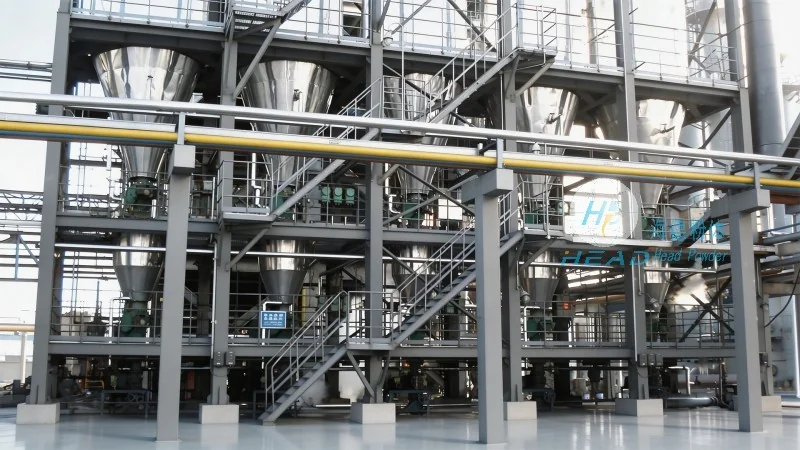
System Selection and Material Properties
When designing a pneumatic conveying system for algae powder, the first step is to evaluate the material's physical and chemical properties. Algae powder, typically derived from microalgae cultivation, often exhibits characteristics such as high moisture content, variable particle size distribution, and potential stickiness. These factors directly impact the choice of conveying method—whether it's a positive or negative pressure system, and the specific type of pneumatic conveying technology, such as dilute phase or dense phase transport.
Equipment Selection and Sizing
Proper equipment selection is paramount to system efficiency. Key components include the feed hopper, rotary valve, air compressor, and conveying line. The feed hopper must be designed to accommodate the bulk density and flow characteristics of the algae powder, preventing blockages and ensuring consistent material feed. The rotary valve, used to control the material flow from the hopper to the conveying line, should be chosen based on the powder's flowability and potential for bridging. The air compressor must be sized to provide sufficient air volume and pressure to overcome the system's resistance, including friction losses in the pipe and the weight of the conveyed material. The conveying line diameter and length are critical parameters that affect pressure drop and energy consumption; larger diameters reduce pressure drop but increase cost, while longer lines require higher air pressure.
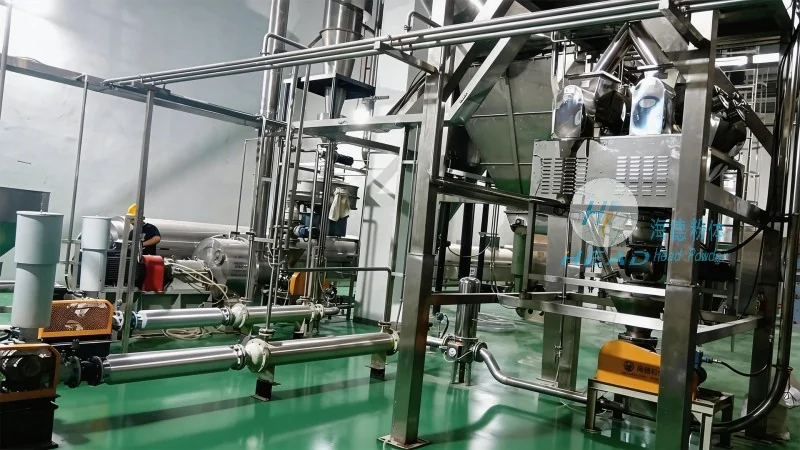
Flow Rate and Pressure Management
Optimizing flow rate and pressure is essential for maintaining system performance. The conveying velocity must be sufficient to prevent particle deposition and caking in the pipeline but not excessively high to avoid excessive energy consumption. Pressure management involves monitoring and controlling the system's pressure to ensure stable operation. This includes implementing pressure relief valves and surge tanks to handle fluctuations and prevent overpressurization. Proper pressure control also helps in reducing wear and tear on system components, extending their service life.
Material Handling and Contamination Control
Algae powder systems often require measures to prevent material contamination and system blockages. This includes installing filters and cyclones to remove dust and moisture from the air stream, which can degrade the powder quality and damage equipment. Additionally, the system should incorporate cleaning mechanisms, such as reverse air flow or mechanical cleaning, to maintain pipeline integrity and prevent buildup. Proper sealing of components, especially at joints and connections, is crucial to prevent air leakage and maintain system efficiency.
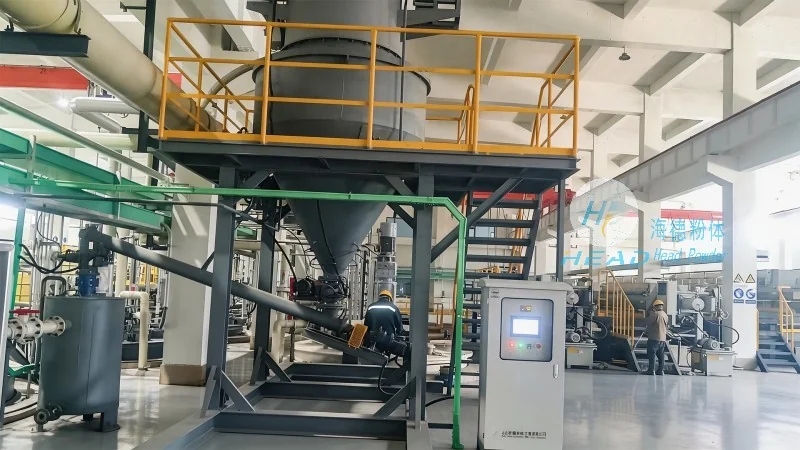
Energy Efficiency and Environmental Considerations
Energy efficiency is a key consideration in modern pneumatic conveying systems. HeadPowder emphasizes the use of energy-efficient air compressors and optimized system designs to reduce operational costs. This includes selecting the right air compressor type (e.g., rotary screw or centrifugal) based on the system's load and duty cycle. Additionally, implementing energy recovery systems, such as regenerative blowers or heat recovery units, can further enhance efficiency. Environmental considerations are also important, as the system must comply with local regulations regarding air emissions and noise pollution. Proper ventilation and noise reduction measures are typically incorporated into the design to minimize environmental impact.
Installation and Maintenance Protocols
Proper installation and regular maintenance are critical to ensuring the long-term reliability of the pneumatic conveying system. Installation should follow manufacturer guidelines and industry best practices, including proper alignment of components, secure pipe connections, and adequate support for the conveying line. Regular maintenance involves inspecting and cleaning components, checking for wear and tear, and performing routine tests to ensure system performance. HeadPowder provides comprehensive maintenance services to help clients optimize system operation and extend equipment life.