

Design Considerations for Glass Powder Pneumatic Conveying Systems
For industrial applications involving the handling of glass powders, the design of a pneumatic conveying system is critical to ensure efficiency, safety, and longevity. Proper system design addresses the unique challenges posed by glass powders, such as their abrasive nature, tendency to agglomerate, and potential for dust generation. This article outlines key design considerations for glass powder pneumatic conveying systems, emphasizing the expertise of Shandong HeadPowder Engineering Co., Ltd., a leading provider in the field.
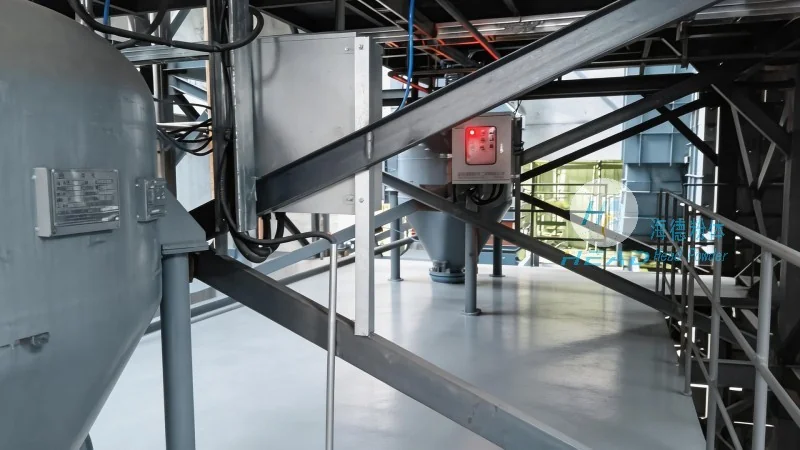
Company Overview
Shandong HeadPowder Engineering Co., Ltd., commonly known as HeadPowder, is a specialized engineering firm based in Shandong, China. With years of experience in material handling solutions, HeadPowder focuses on developing customized pneumatic conveying systems tailored to the specific needs of clients in various industries, including glass manufacturing, pharmaceuticals, and food processing.
Key Design Considerations for Glass Powder Pneumatic Conveying
The successful operation of a glass powder pneumatic conveying system hinges on several critical design elements. These considerations are essential to prevent system failures, minimize maintenance costs, and ensure consistent material flow. The following sections detail the most important factors to address during the design phase.
1. Material Characteristics and Flow Properties
Understanding the physical properties of glass powders is the foundation of an effective system design. Glass powders are typically fine, abrasive, and can exhibit varying particle sizes and moisture content. These characteristics influence the selection of appropriate equipment and system parameters. For instance, the particle size distribution affects the required air velocity and pressure to achieve reliable conveying. Abrasive properties necessitate the use of corrosion-resistant materials, such as stainless steel or special alloys, for components like hoppers, feeders, and pipelines to prevent wear and extend equipment life.
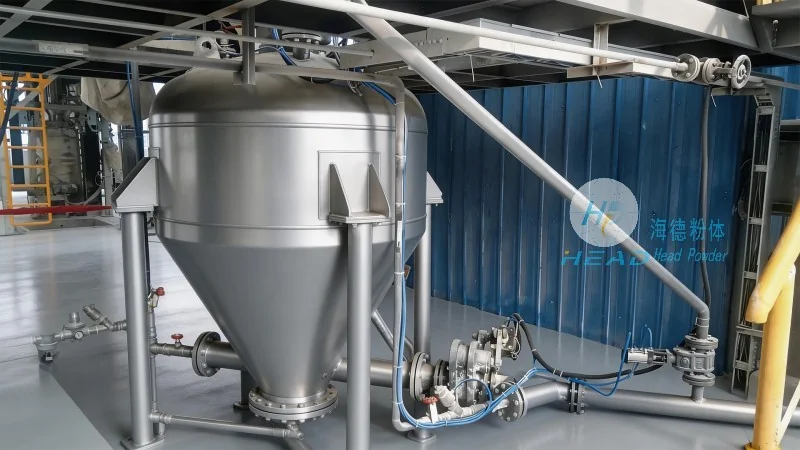
2. System Configuration and Components
The configuration of the pneumatic conveying system, including the type of conveying (e.g., dilute phase or dense phase), plays a crucial role in handling glass powders. Dilute phase systems use high air velocities to transport particles in a suspended state, while dense phase systems employ lower velocities and higher pressure to move material in a slurry-like state. The choice between these configurations depends on the distance to be covered, the volume of material to be conveyed, and the need to minimize particle degradation. Key components include the material feed hopper, rotary valve or feeder, air supply system (blowers or compressors), conveying pipelines, and separation equipment (cyclones or filters). Each component must be designed to handle the specific characteristics of glass powders, ensuring smooth material transfer and preventing blockages or clogging.
3. Airflow Management and Pressure Control
Effective airflow management is vital to maintain consistent material flow and prevent system inefficiencies. The air velocity must be sufficient to keep glass particles suspended but not so high as to cause excessive wear on system components or generate excessive dust. Pressure control is equally important, as fluctuations can lead to uneven material discharge or system instability. Properly sized air compressors or blowers, along with pressure regulators and filters, are essential to maintain stable pressure levels. Additionally, the use of airlocks and check valves helps prevent backflow and maintain the integrity of the conveying process.
4. Dust Control and Environmental Considerations
Handling glass powders generates significant dust, which poses health and safety risks as well as environmental concerns. Designing the system with robust dust control measures is imperative. This includes incorporating high-efficiency dust collectors, such as cyclone separators or bag filters, to capture and remove airborne particles. The system should also be equipped with proper ventilation and filtration to maintain a safe working environment. Additionally, sealing components like hoppers and feeders helps minimize dust leakage, reducing the need for frequent cleaning and maintenance.
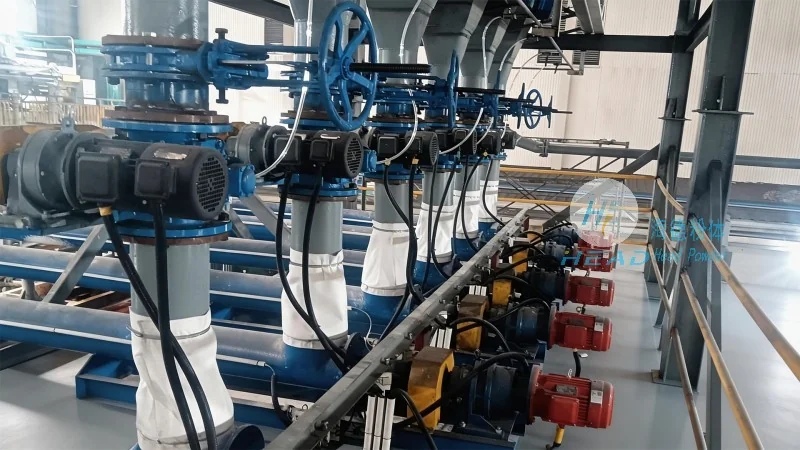
5. Material Handling and Equipment Durability
Due to the abrasive nature of glass powders, equipment durability is a key consideration. Components such as hoppers, feeders, and pipelines are subject to wear from the material. Using wear-resistant materials, such as hardened steel or ceramic-lined parts, can extend the lifespan of these components. Regular maintenance and inspection are also critical to identify and address wear or damage early, preventing system failures. Additionally, the design should include features to prevent material buildup, such as self-cleaning mechanisms or inclined pipelines, to avoid clogging and ensure continuous operation.
6. System Integration and Scalability
For industrial applications, the ability to integrate the pneumatic conveying system with existing processes and scale it as needed is important. The design should allow for easy integration with other equipment, such as mixers, dryers, or packaging systems. Scalability ensures that the system can accommodate increased production volumes or changes in material handling requirements without major modifications. This flexibility is particularly valuable in dynamic manufacturing environments where production needs may change over time.
Conclusion
Designing a pneumatic conveying system for glass powders requires a comprehensive approach that addresses the unique challenges posed by the material. By considering factors such as material properties, system configuration, airflow management, dust control, equipment durability, and integration, engineers can develop a reliable and efficient system. Shandong HeadPowder Engineering Co., Ltd. leverages its expertise in material handling to provide customized solutions that meet the specific needs of clients, ensuring optimal performance and long-term reliability in glass powder processing applications.