

Design Considerations for the Pneumatic Conveying System of Heptahydrate Magnesium Sulfate
Heptahydrate magnesium sulfate, commonly known as Epsom salt, is a widely used chemical compound in various industrial applications. The efficient and reliable transportation of this material from storage to processing units is crucial for maintaining production efficiency and minimizing operational costs. Pneumatic conveying systems have emerged as a preferred method for handling such bulk materials due to their ability to transport powders and granules through a pressurized air stream. This article explores the key design considerations for a pneumatic conveying system specifically tailored for heptahydrate magnesium sulfate, highlighting the technical aspects and practical guidelines that ensure optimal performance.
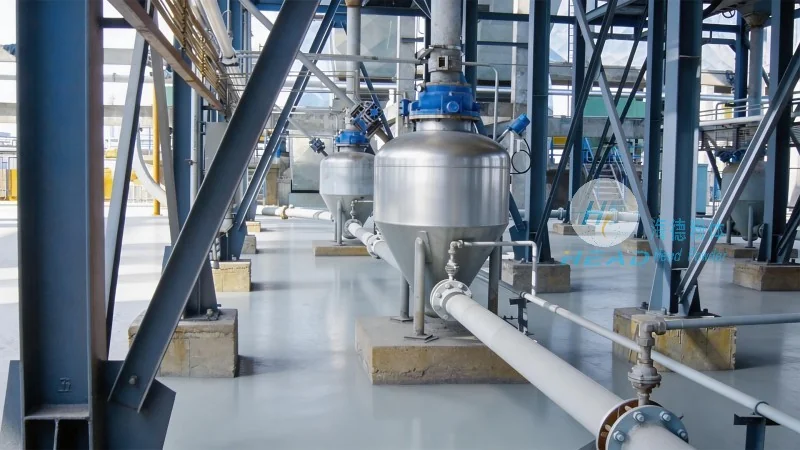
Company Overview: Shandong HeadPowder Engineering Co., Ltd.
HeadPowder, a leading engineering firm based in Shandong, China, specializes in the design, manufacturing, and installation of advanced material handling systems. With years of experience in the chemical and industrial sectors, the company has developed a deep understanding of the unique challenges associated with handling heptahydrate magnesium sulfate. HeadPowder's team of experts leverages cutting-edge technology and rigorous engineering principles to deliver customized solutions that meet the specific requirements of each client. The company's commitment to quality and innovation has established it as a trusted partner in the industry, providing reliable and efficient pneumatic conveying systems for heptahydrate magnesium sulfate applications.
Key Design Considerations for Pneumatic Conveying Systems
The design of a pneumatic conveying system for heptahydrate magnesium sulfate involves several critical factors that must be carefully evaluated to ensure system efficiency and longevity. The first consideration is the material's physical properties, such as its particle size distribution, bulk density, and flowability. Heptahydrate magnesium sulfate typically has a relatively fine particle size, which can affect the system's air velocity requirements and the risk of clogging. Proper sizing of the conveying line, including the diameter and length, is essential to maintain optimal air-to-material ratios and prevent blockages. The system's pressure and velocity settings must be calibrated to match the material's characteristics, ensuring that the particles are transported smoothly without excessive wear on components.
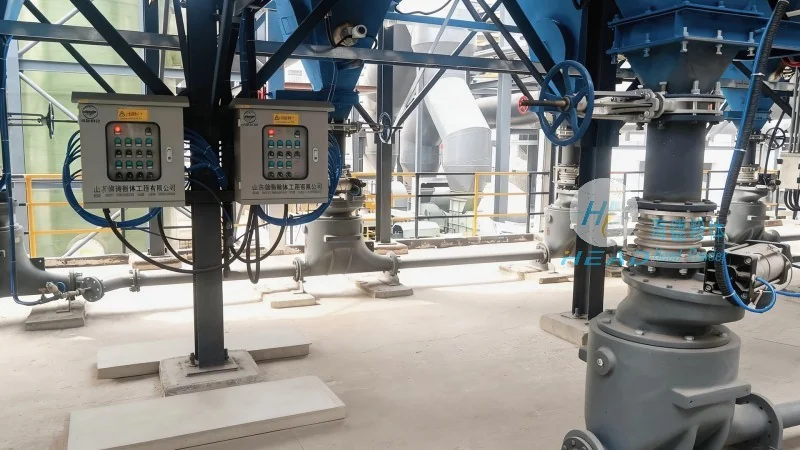
Material Handling and Storage Integration
Effective integration of the pneumatic conveying system with existing storage and processing facilities is another critical design aspect. The system must be seamlessly connected to silos, hoppers, or bulk storage tanks to facilitate the transfer of heptahydrate magnesium sulfate from storage to the conveying line. Proper sealing and aeration of storage vessels are necessary to maintain the material's flowability and prevent moisture buildup, which can affect the system's performance. The design should also consider the need for dust control measures, as heptahydrate magnesium sulfate is a fine powder that can generate significant dust during handling. Implementing appropriate filtration and ventilation systems is essential to comply with safety regulations and maintain a clean working environment.
Component Selection and System Configuration
The selection of appropriate components is vital for the reliable operation of a heptahydrate magnesium sulfate pneumatic conveying system. Key components include the air compressor, conveying pipes, valves, and material feeders. The air compressor must be capable of delivering sufficient pressure and volume to transport the material over the required distance. The choice of pipe material, such as stainless steel or PVC, depends on factors like corrosion resistance and cost. Valves, including check valves and control valves, are used to regulate the flow and prevent backflow, ensuring smooth operation. The material feeder, such as a rotary valve or a screw feeder, must be designed to handle the material's characteristics, providing consistent and controlled material feed into the conveying line.
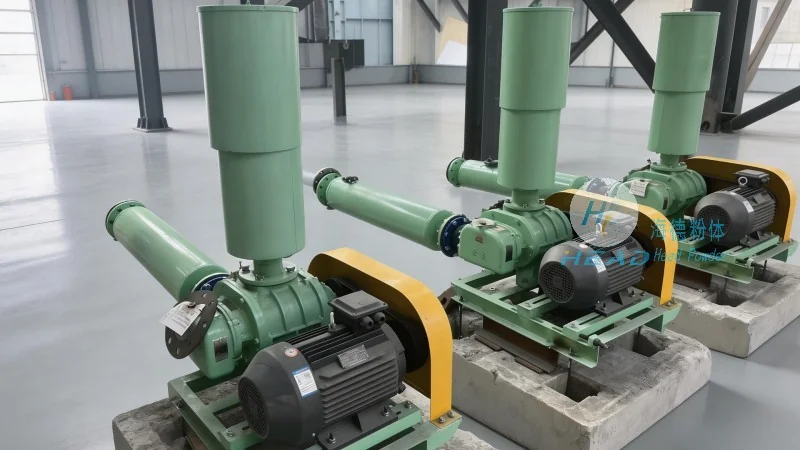
System Maintenance and Operational Efficiency
Regular maintenance is essential to ensure the long-term performance and reliability of a pneumatic conveying system for heptahydrate magnesium sulfate. The system should be designed with easy access to components for inspection and cleaning, reducing downtime and maintenance costs. Monitoring equipment, such as pressure gauges and flow meters, should be installed to track system performance and detect any issues early. Proper training of operators on system operation and maintenance procedures is crucial to maximize efficiency and minimize operational risks. By implementing a proactive maintenance schedule and using high-quality components, the system can operate at optimal efficiency, reducing energy consumption and extending the lifespan of equipment.
Conclusion and Application Scope
The design of a pneumatic conveying system for heptahydrate magnesium sulfate requires a comprehensive approach that considers the material's properties, system configuration, and operational requirements. By adhering to the key design considerations outlined in this article, manufacturers and engineers can develop efficient and reliable systems that enhance production processes and reduce costs. HeadPowder, with its expertise in material handling systems, offers tailored solutions that address the specific needs of heptahydrate magnesium sulfate applications. Whether for industrial production, chemical processing, or other uses, a well-designed pneumatic conveying system is essential for the smooth and efficient handling of this important chemical compound.