

Design Considerations for Glass Fiber Cellulose Pneumatic Conveying Systems
When designing a pneumatic conveying system for glass fiber cellulose, several critical factors must be considered to ensure efficiency, reliability, and longevity of the system. The process involves careful evaluation of material properties, system configuration, and operational parameters to optimize performance while minimizing maintenance and operational costs.
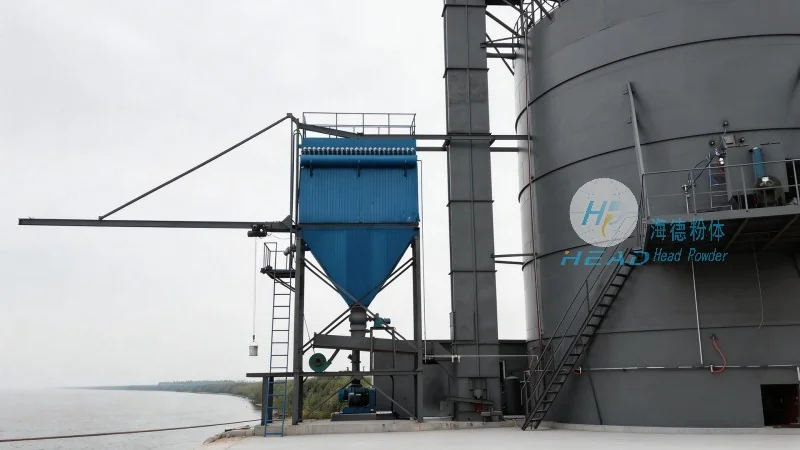
Key Design Considerations for Pneumatic Conveying of Glass Fiber Cellulose
One of the primary considerations is the selection of appropriate conveying equipment and components. The material's density, flowability, and abrasiveness are crucial in determining the type of system, such as pressure or vacuum conveying. For glass fiber cellulose, which often has a relatively low bulk density and can be abrasive, a positive pressure system is typically preferred to handle the material's characteristics effectively.
Material Properties and Their Impact on System Design
Glass fiber cellulose exhibits unique properties that influence system design. Its fibrous nature can lead to clogging in standard conveying lines, requiring specialized equipment like rotary valves, feeders, and flexible hoses to maintain consistent flow. The material's abrasive characteristics also necessitate the use of high-quality, wear-resistant components, such as stainless steel or specialized alloys, to prevent premature wear and system failure.
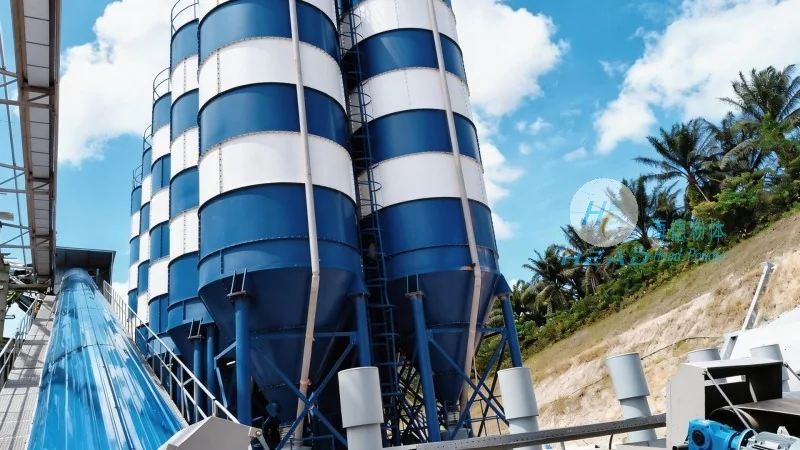
System Configuration and Layout Planning
The layout of the pneumatic conveying system is another critical aspect. Proper placement of the hopper, feeder, and conveying lines is essential to avoid material bridging or segregation. For glass fiber cellulose, which can be prone to bridging due to its fibrous structure, the design should include features like agitators or vibrators in the hopper to ensure uniform material flow. Additionally, the system should be designed with sufficient vertical and horizontal elevation changes to accommodate the material's handling requirements without excessive pressure drops.
Pressure and Flow Rate Optimization
Optimizing the pressure and flow rate is vital for efficient conveying. The system must be capable of maintaining a consistent pressure to prevent material degradation or blockages. For glass fiber cellulose, which can be sensitive to high pressures, the design should include pressure relief valves and flow control devices to regulate the system's performance. The flow rate must be matched to the material's characteristics to ensure smooth transport without causing excessive wear on components.
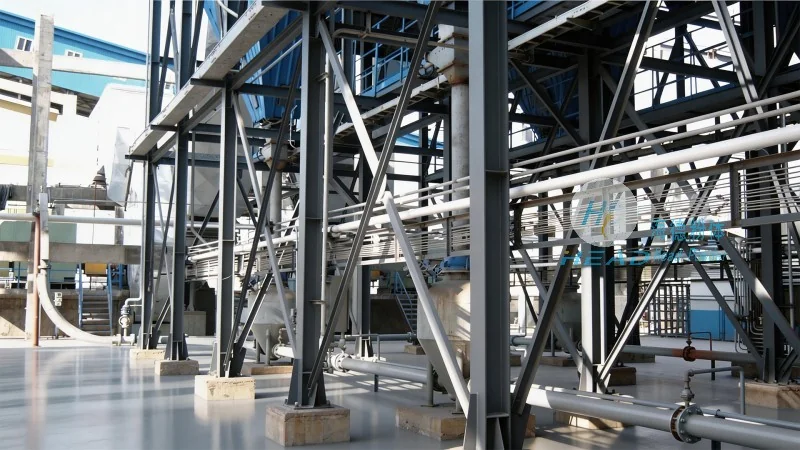
Component Selection and Maintenance
Choosing the right components is essential for the longevity of the system. For glass fiber cellulose, which is abrasive, components like cyclones, filters, and piping should be made from materials that can withstand the wear and tear. Regular maintenance, including cleaning of filters and checking for wear on parts, is crucial to maintain system efficiency. The system should also be equipped with monitoring tools to detect any issues early, preventing costly downtime.
Integration with Existing Facilities
When integrating a new pneumatic conveying system into existing facilities, compatibility with the current infrastructure is important. The system must be designed to fit within the available space and connect seamlessly with existing equipment. This may involve adjustments to the layout or the use of flexible connections to accommodate existing constraints. Proper integration ensures that the new system operates efficiently without disrupting the existing workflow.
Environmental and Safety Considerations
Environmental and safety factors must also be considered in the design. Glass fiber cellulose is a fine powder that can generate dust, requiring dust collection systems to comply with environmental regulations. The system should be designed with safety features such as pressure relief valves and emergency shut-off mechanisms to prevent accidents. Additionally, proper ventilation and dust control measures are essential to maintain a safe working environment.
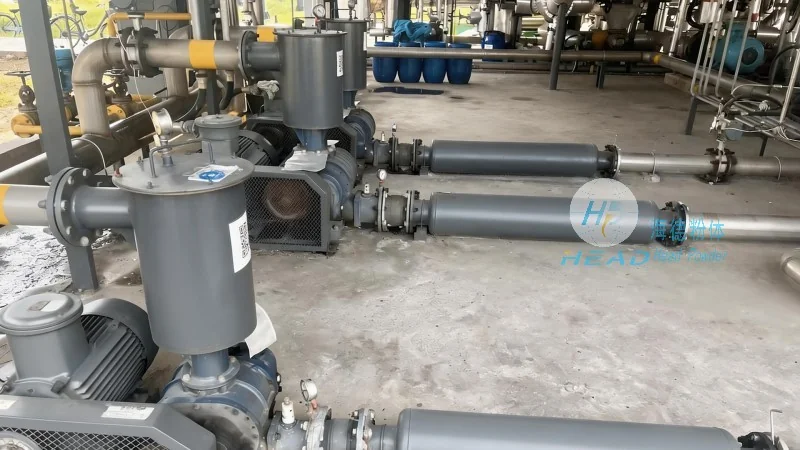
Case Study: Successful Implementation by Shandong HeadPowder Engineering Co., Ltd.
Shandong HeadPowder Engineering Co., Ltd., a leading provider of pneumatic conveying solutions, has successfully implemented glass fiber cellulose conveying systems for various clients. By carefully considering the material's properties and applying advanced design principles, the company has delivered systems that meet the specific needs of each application. For example, a client in the paper industry required a system to transport glass fiber cellulose from a storage silo to a processing plant. The system designed by HeadPowder included a positive pressure conveying line with high-quality stainless steel components, ensuring efficient and reliable transport. The system has been in operation for over two years with minimal maintenance, demonstrating the effectiveness of the design approach.
Conclusion
Designing a pneumatic conveying system for glass fiber cellulose requires a comprehensive understanding of the material's properties and careful consideration of system components, layout, and operational parameters. By addressing these key factors, engineers can develop systems that are efficient, reliable, and cost-effective. Shandong HeadPowder Engineering Co., Ltd. specializes in providing tailored solutions that meet the unique needs of glass fiber cellulose applications, ensuring optimal performance and long-term success for their clients.