

Design Considerations for the Development of Polystyrene Pneumatic Conveying Systems
Polystyrene, a widely used thermoplastic polymer, is commonly employed in various industrial applications due to its lightweight, insulating, and durable properties. The efficient handling and transportation of polystyrene granules or powders are critical for optimizing production processes. Pneumatic conveying systems offer a reliable solution for moving these materials, but their design requires careful consideration to ensure optimal performance, safety, and longevity. This article outlines key design considerations for developing effective polystyrene pneumatic conveying systems, with a focus on practical implementation and operational efficiency.
Key Design Considerations for Polystyrene Pneumatic Conveying
When designing a polystyrene pneumatic conveying system, several factors must be evaluated to achieve a system that meets operational requirements and safety standards. The following sections detail critical aspects that influence system performance.
Material Selection and Handling Characteristics
Polystyrene has specific physical and chemical properties that affect pneumatic conveying. Its low bulk density and relatively low abrasiveness require system components to be selected with these characteristics in mind. For instance, the material's tendency to accumulate static charge necessitates proper grounding and anti-static measures to prevent dust explosions or equipment damage. Additionally, polystyrene's susceptibility to moisture absorption means that the conveying system should be designed to minimize exposure to humid environments, as moisture can degrade material quality and affect system performance.
System Configuration and Flow Path Design
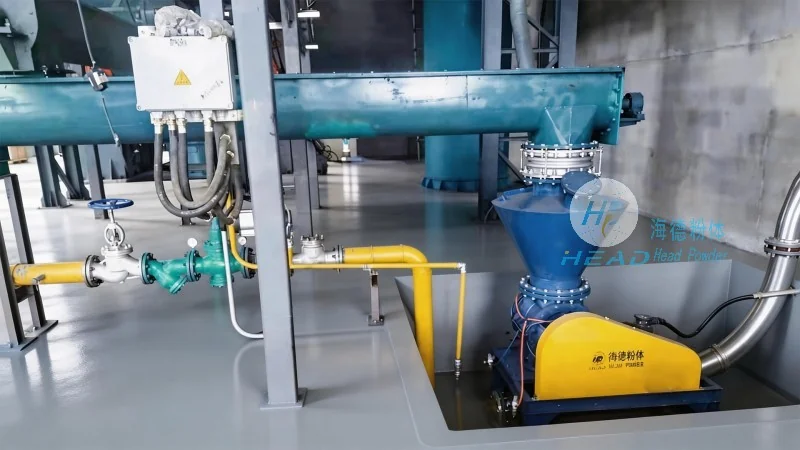
The configuration of the pneumatic conveying system, including the type of conveying (e.g., dilute-phase or dense-phase), the layout of the pipeline, and the placement of components like feeders, cyclones, and filters, plays a crucial role in system efficiency. Dilute-phase systems are suitable for long-distance transport and high material flow rates, while dense-phase systems are preferred for short distances or when gentle material handling is required. The flow path should be designed to minimize pressure drops and ensure consistent material flow. Properly sized pipelines, elbows, and other fittings are essential to maintain the desired air-to-material ratio and prevent blockages or material degradation.
Component Selection and Installation
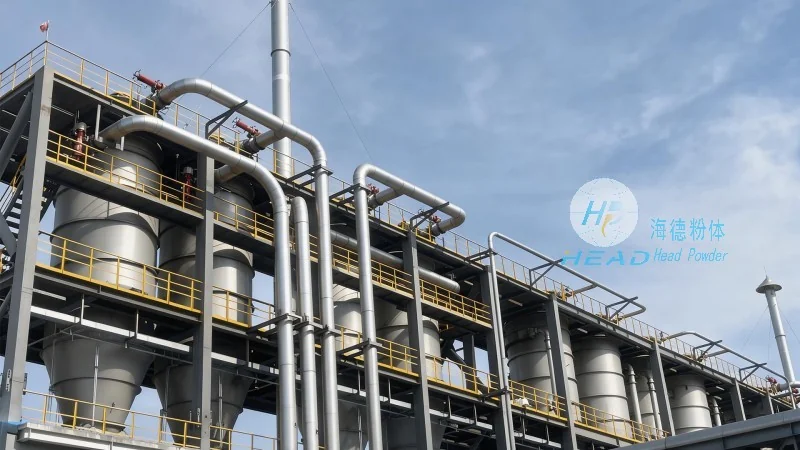
Key components such as feeders, air movers (blowers or compressors), cyclone separators, and filters must be selected based on the specific characteristics of polystyrene. Feeders, such as rotary valves or screw feeders, should be capable of handling the material's flow properties without causing excessive wear or clogging. The air mover must provide sufficient pressure and airflow to overcome system resistance and maintain the desired conveying velocity. Cyclone separators are commonly used to separate the material from the air stream, and their design must be optimized for polystyrene's particle size and density. Filters are essential to protect downstream equipment from dust and maintain air quality, and they should be chosen based on the material's particle size distribution and potential for clogging.
Pressure and Airflow Management
Effective pressure and airflow management is critical for the reliable operation of polystyrene pneumatic conveying systems. The system must be designed to maintain consistent pressure levels throughout the conveying path to ensure smooth material transport. Pressure drops in the pipeline can lead to reduced conveying velocity and potential blockages. Regular monitoring and maintenance of the air mover and pipeline components are necessary to prevent pressure fluctuations. Additionally, the air-to-material ratio must be optimized to balance conveying efficiency with energy consumption. An appropriate ratio ensures that the material is adequately suspended and transported without excessive air usage.
Safety and Environmental Considerations
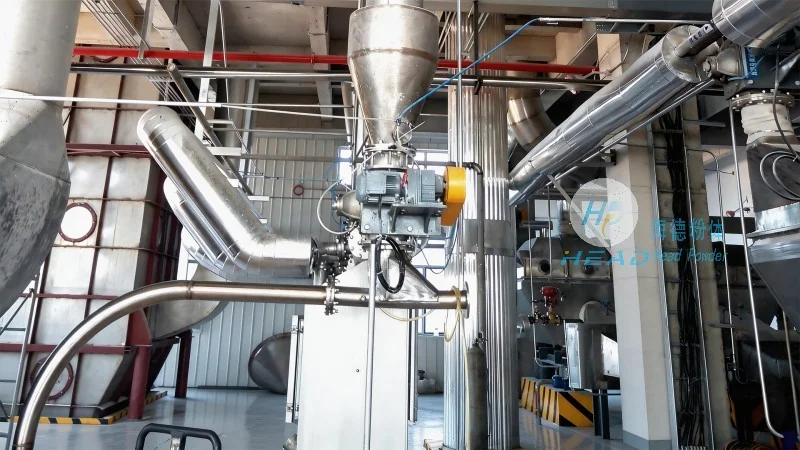
Safety is a paramount concern in the design of polystyrene pneumatic conveying systems, given the material's potential to generate static charge and the risk of dust explosions. Proper grounding and bonding of equipment are essential to prevent static buildup. The system should also be equipped with explosion-proof components and pressure relief devices to mitigate the risk of explosions. Environmental considerations include minimizing dust emissions and ensuring compliance with local regulations. Filtration systems and dust collection equipment are necessary to capture polystyrene particles and prevent air pollution. Additionally, the system should be designed to minimize energy consumption and reduce the environmental impact of material handling.
Maintenance and Operational Guidelines
Regular maintenance is crucial for the long-term performance and reliability of polystyrene pneumatic conveying systems. This includes inspecting and cleaning components such as cyclones, filters, and feeders to prevent clogging and ensure efficient operation. The air mover and other mechanical components should be checked for wear and tear, and lubricated as needed. The system should also be monitored for pressure and airflow variations, and adjustments made as necessary to maintain optimal performance. Proper training of operators on system operation and maintenance is essential to ensure safe and efficient operation.
Conclusion
Designing an effective polystyrene pneumatic conveying system requires a comprehensive approach that considers the material's properties, system configuration, component selection, and operational requirements. By addressing key design considerations such as material handling characteristics, flow path design, component selection, pressure management, safety measures, and maintenance protocols, manufacturers can develop systems that enhance production efficiency, ensure product quality, and minimize operational risks. The expertise of companies like Shandong HeadPowder Engineering Co., Ltd., with their focus on engineering solutions tailored to specific material handling needs, is invaluable in achieving these objectives.