

Design Considerations for Thermoplastic Polyurethane Pneumatic Conveying Systems
Thermoplastic polyurethane (TPU) is a versatile and durable material widely used in industrial applications, and its pneumatic conveying systems require careful design to ensure optimal performance, efficiency, and longevity. This article outlines key design considerations for thermoplastic polyurethane pneumatic conveying systems, providing insights into material selection, system configuration, and operational best practices. The information is presented by Shandong HeadPowder Engineering Co., Ltd., a leading provider of specialized engineering solutions in China, with offices located in Shandong Province.
Material Selection and Properties
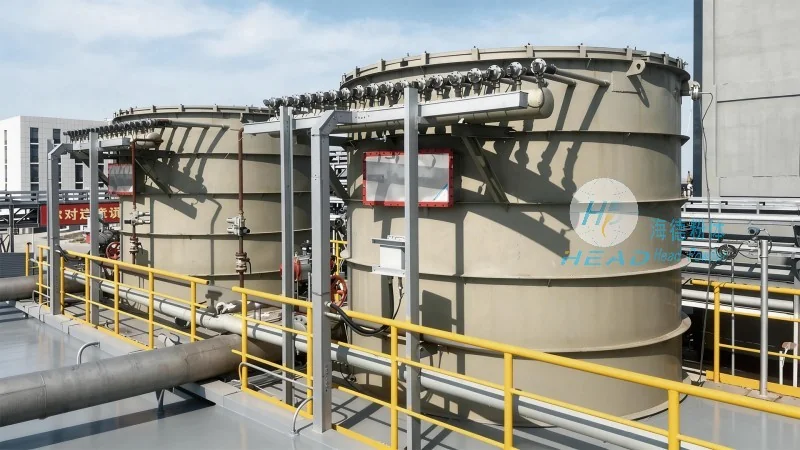
The choice of thermoplastic polyurethane for pneumatic conveying systems is driven by its unique combination of properties, including high abrasion resistance, flexibility, and chemical stability. These characteristics make TPU an ideal material for handling abrasive powders and granules, as well as for applications where equipment durability is critical. When selecting TPU for a pneumatic conveying system, engineers must consider the specific properties of the material, such as Shore hardness, tensile strength, and elongation at break, to ensure it can withstand the mechanical stresses and environmental conditions of the application. For instance, a higher Shore hardness may be required for systems handling highly abrasive materials, while a more flexible TPU may be suitable for applications involving high impact or vibration.
System Configuration and Components
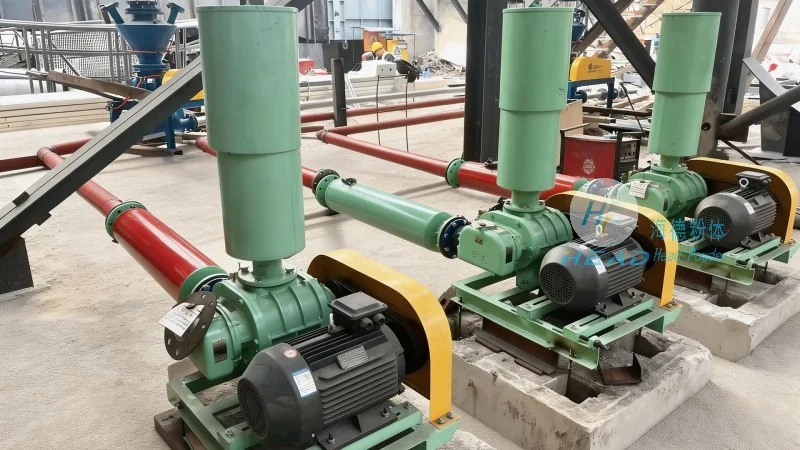
The design of a thermoplastic polyurethane pneumatic conveying system involves several critical components, each of which must be carefully selected and integrated to achieve efficient material transport. Key components include the hopper, feed mechanism, conveying line, and receiver. The hopper design is crucial as it must provide sufficient storage capacity and ensure proper material flow to the feed mechanism. The feed mechanism, such as a rotary valve or star feeder, must be compatible with the TPU material and the specific powder characteristics, ensuring consistent and controlled material discharge. The conveying line, typically made of TPU or other compatible materials, must be sized appropriately to handle the material flow rate and pressure drop. Additionally, the receiver must be designed to collect the conveyed material efficiently and prevent material buildup or spillage. Proper alignment and sealing of all components are essential to minimize air leakage and maintain system efficiency.

Design Considerations for Abrasion Resistance
Abrasion is a primary concern in pneumatic conveying systems, especially when handling abrasive powders or granules. Thermoplastic polyurethane's high abrasion resistance makes it a preferred material for such applications. However, the design must account for the potential for localized wear and tear, particularly in areas of high stress, such as the hopper outlet, feed mechanism, and conveying line bends. Engineers should consider using reinforced TPU or adding protective coatings to high-wear areas to extend the system's service life. Additionally, the system's operating pressure and flow rate should be optimized to minimize abrasive impact on the TPU components. Regular maintenance and inspection of the TPU parts are also recommended to detect early signs of wear and prevent system failure.
System Efficiency and Energy Consumption
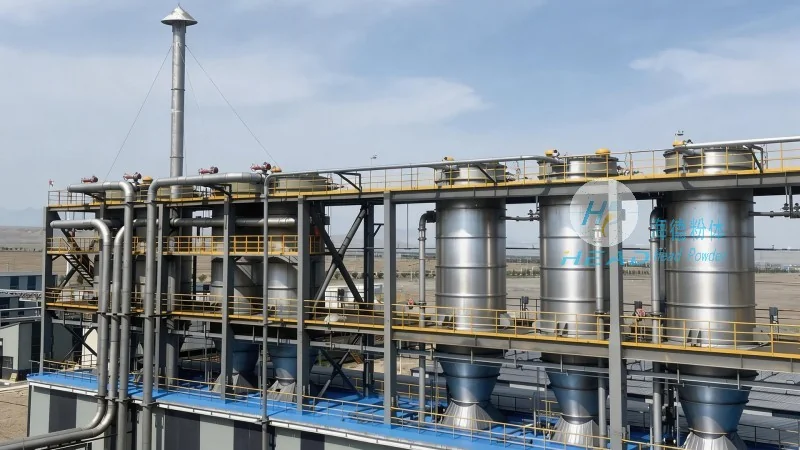
Efficiency is a critical factor in the design of any pneumatic conveying system, as it directly impacts operational costs and environmental impact. Thermoplastic polyurethane systems can be designed to minimize energy consumption by optimizing the conveying line diameter, pressure, and flow rate. Proper sizing of the conveying line reduces pressure drop, which in turn lowers the energy required to move the material. The use of efficient feed mechanisms and proper system layout can also contribute to higher overall efficiency. Additionally, incorporating features such as air recycling or pressure recovery systems can further enhance energy efficiency. By carefully considering these factors, engineers can design a thermoplastic polyurethane pneumatic conveying system that is both effective and cost-efficient.
Application-Specific Design Considerations
The design of a thermoplastic polyurethane pneumatic conveying system must be tailored to the specific application requirements. For example, systems handling food-grade powders may require additional considerations, such as material compatibility with food products and compliance with regulatory standards. Similarly, systems used in pharmaceutical applications may need to meet stringent cleanliness and hygiene requirements. Engineers must also consider the environmental conditions, such as temperature and humidity, which can affect the performance of TPU components. In some cases, the system may need to be designed for outdoor or harsh environments, requiring additional protective measures, such as weatherproofing or corrosion-resistant coatings. By addressing these application-specific factors, the system can be optimized for its intended use and ensure reliable operation.
Maintenance and Longevity
The longevity of a thermoplastic polyurethane pneumatic conveying system depends on proper maintenance and regular inspection. TPU components, while durable, can still experience wear and tear over time. Regular maintenance activities include cleaning the system, checking for leaks, and inspecting components for signs of abrasion or damage. It is recommended to follow the manufacturer's guidelines for maintenance intervals and procedures to ensure optimal performance. Additionally, storing the system properly when not in use can help prevent damage from environmental factors. By implementing a comprehensive maintenance plan, the system's lifespan can be extended, and operational costs can be minimized. Shandong HeadPowder Engineering Co., Ltd. provides maintenance services and support to help customers maximize the performance and longevity of their thermoplastic polyurethane pneumatic conveying systems.