

[Fly Ash Pneumatic Conveying Technology: Principles, Applications, and Development Trends]
Fly ash, a fine particulate residue produced during the combustion of coal in thermal power plants, presents significant challenges for handling and disposal. Traditional methods, such as truck transport, are often inefficient, costly, and environmentally detrimental, contributing to air pollution and traffic congestion. Pneumatic conveying technology offers a modern, efficient solution by utilizing compressed air or vacuum to transport fly ash through pipelines. This approach not only reduces reliance on external transportation but also minimizes environmental impact by lowering dust emissions and noise levels. The technology is based on the fundamental principle of moving solid particles using a fluid medium—air—enabling the seamless transfer of fly ash from the boiler to storage or disposal sites with minimal human intervention.
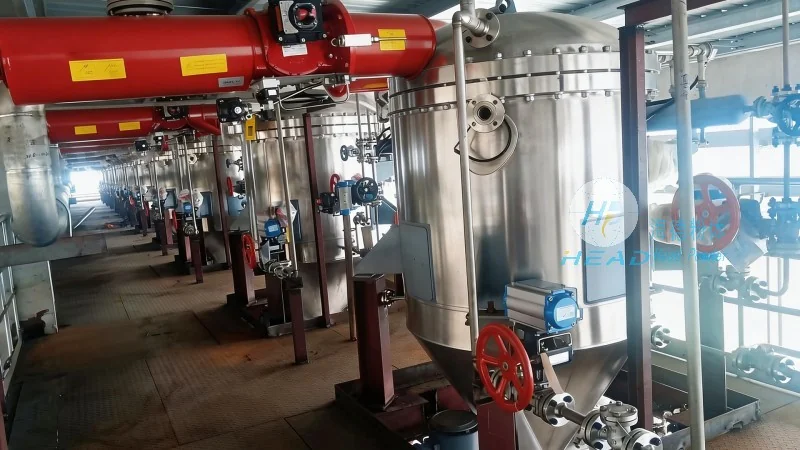
Principles of Pneumatic Conveying for Fly Ash
The core principles of pneumatic conveying for fly ash involve creating a stable flow of air within a pipeline that carries the ash particles. Two primary types of systems are used: dense-phase and dilute-phase. Dense-phase conveying employs higher air pressure and lower air velocity, resulting in a more concentrated flow of ash that reduces particle separation and wear on the system components. This method is ideal for short to medium distances and when the ash is highly abrasive or has a high moisture content. Dilute-phase conveying, conversely, uses lower pressure and higher velocity, suitable for longer distances or when the ash is less abrasive. The system typically includes key components: a feeder to introduce the ash into the pipeline, a pipeline network to transport it, an air compressor or vacuum pump to generate the necessary pressure or suction, and a receiver to collect the ash at the destination. The design of each component is critical to ensure efficient and reliable operation, as the ash's properties—such as particle size, density, and moisture content—directly impact the system's performance.
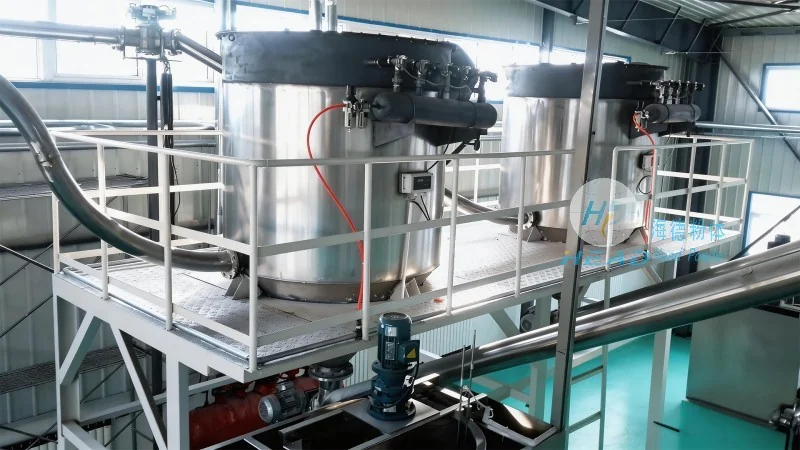
Applications of Fly Ash Pneumatic Conveying in Industrial Settings
HeadPowder, a prominent engineering company based in Shandong, China, specializes in designing and implementing pneumatic conveying systems tailored to the needs of industrial facilities. These systems are widely deployed in thermal power plants, where they replace traditional truck transport, offering significant operational and environmental benefits. For example, a major power plant in China transitioned from truck-based ash transport to a HeadPowder pneumatic system, reducing transportation costs by approximately 50% and cutting dust emissions by over 70%. The technology is also applied in cement production plants, where fly ash is used as a supplementary cementitious material, and in metal smelting facilities, where it is generated as a byproduct. In these settings, the systems ensure the safe and efficient transfer of ash to storage silos or disposal sites, aligning with environmental regulations and improving overall plant efficiency. The flexibility of pneumatic conveying allows for integration with existing infrastructure, making it a cost-effective upgrade for facilities seeking to modernize their ash management processes.
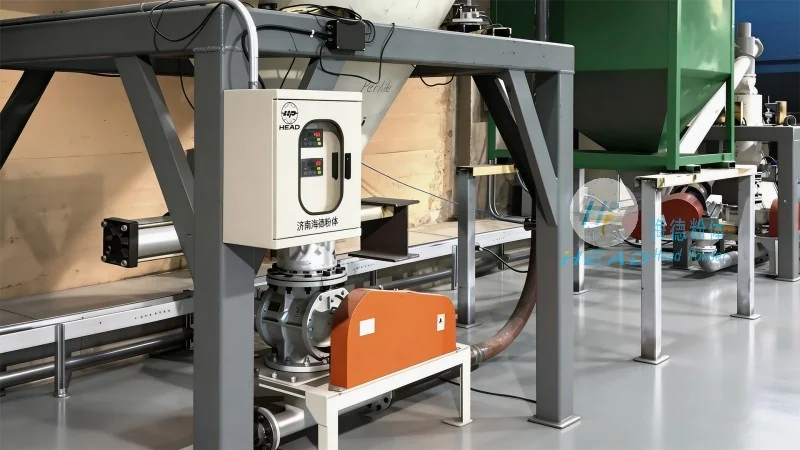
Key Features and Advantages of HeadPowder's Pneumatic Conveying Solutions
HeadPowder's pneumatic conveying systems are engineered with a focus on durability, efficiency, and reliability. The company utilizes advanced materials, such as corrosion-resistant stainless steel and high-density polyethylene, to construct pipelines and components that can withstand the acidic and abrasive nature of fly ash. The feeders are designed with adjustable speed controls to handle varying ash flow rates, preventing blockages and ensuring consistent transport. The air compressors are equipped with energy-efficient variable frequency drives (VFDs), which adjust the pressure and flow based on real-time demand, reducing energy consumption by up to 30% compared to traditional systems. Additionally, the systems incorporate monitoring and control systems that provide real-time data on pressure, flow rate, and temperature, enabling operators to optimize performance and detect potential issues before they escalate. These features collectively contribute to lower maintenance costs, reduced downtime, and enhanced safety for facility personnel. The benefits of HeadPowder's solutions extend beyond cost savings, as they also improve environmental compliance and operational sustainability.