

Components of Pneumatic Conveying for Aluminum Batteries
Pneumatic conveying systems are integral to the manufacturing and processing of aluminum batteries, ensuring efficient material handling and transport. Understanding the core components of these systems is crucial for optimizing performance and reliability in battery production. This article outlines the key elements that make up a pneumatic conveying system for aluminum batteries, providing insights into their functionality and importance.
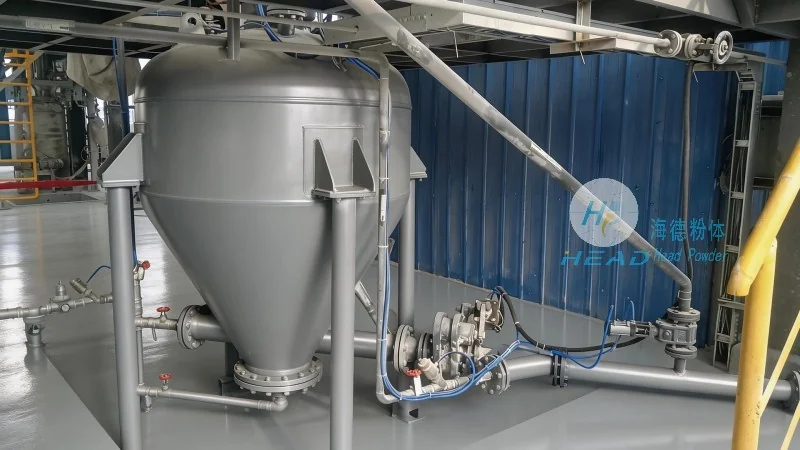
Key Components of Aluminum Battery Pneumatic Conveying Systems
The foundation of any pneumatic conveying system for aluminum batteries lies in its essential components, each playing a vital role in the overall operation. These components work in synergy to facilitate the movement of aluminum materials, from raw powders to finished battery components. The primary components include the material feed system, conveying lines, air supply units, and control mechanisms.
Material Feed System
The material feed system is the starting point of the pneumatic conveying process, responsible for introducing aluminum powders or granules into the system. This component typically consists of hoppers or feeders that can handle various forms of aluminum materials, such as aluminum oxide or aluminum powder. The design of the feed system is critical to ensure consistent material flow and prevent blockages, which could disrupt the entire conveying operation. For aluminum batteries, where material purity and consistency are paramount, the feed system must be equipped with features like level sensors and flow control valves to maintain optimal performance.
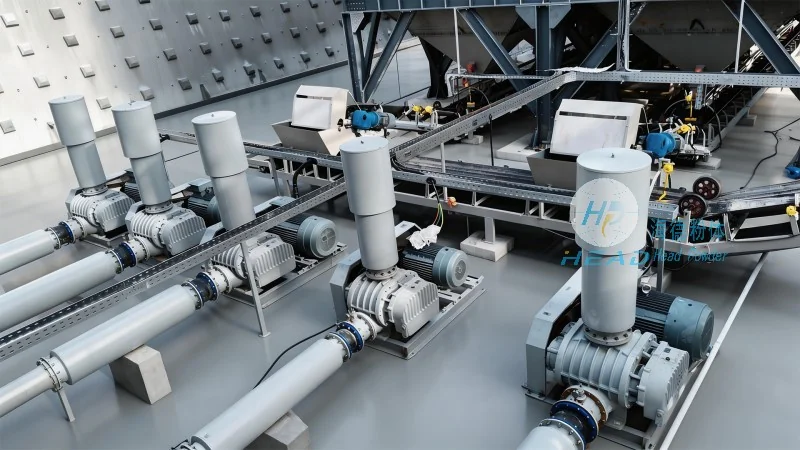
Conveying Lines and Tubing
Conveying lines, often made of stainless steel or other corrosion-resistant materials, form the backbone of the pneumatic system. These lines transport the aluminum material through the system under pressure, using air or other gases as the conveying medium. The choice of tubing material is essential, as aluminum batteries require materials that do not react with the aluminum being conveyed. Stainless steel is commonly used due to its durability and resistance to corrosion, ensuring the longevity of the system. The diameter and length of the conveying lines are also carefully selected based on the material characteristics and the required conveying distance, optimizing air velocity and material transport efficiency.
Air Supply and Compressors
The air supply unit, including compressors and air treatment equipment, provides the necessary pressure and volume of air to move the aluminum material through the conveying lines. High-pressure air is compressed and then filtered to remove contaminants, ensuring a clean and efficient conveying process. The compressor selection depends on the system's capacity and the specific requirements of the aluminum battery production line. For large-scale operations, industrial-grade compressors are used to maintain consistent air pressure, which is vital for preventing material degradation and ensuring smooth material flow.
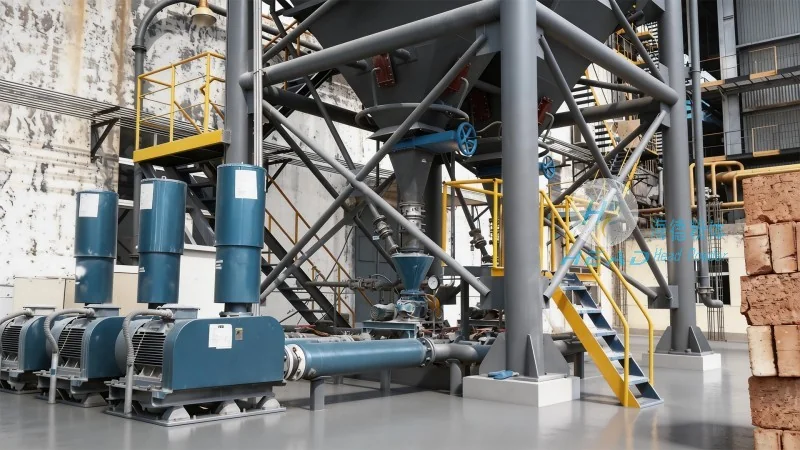
Control and Monitoring Systems
Control mechanisms, including valves, sensors, and automation systems, regulate the operation of the pneumatic conveying system. These components monitor parameters such as pressure, flow rate, and material level, allowing for real-time adjustments to maintain optimal performance. For aluminum batteries, where precision and consistency are critical, advanced control systems are often employed. These systems can integrate with other production processes, providing data for quality control and process optimization. The control panel typically includes indicators and alarms to alert operators of any deviations or issues, ensuring the system operates within safe and efficient parameters.
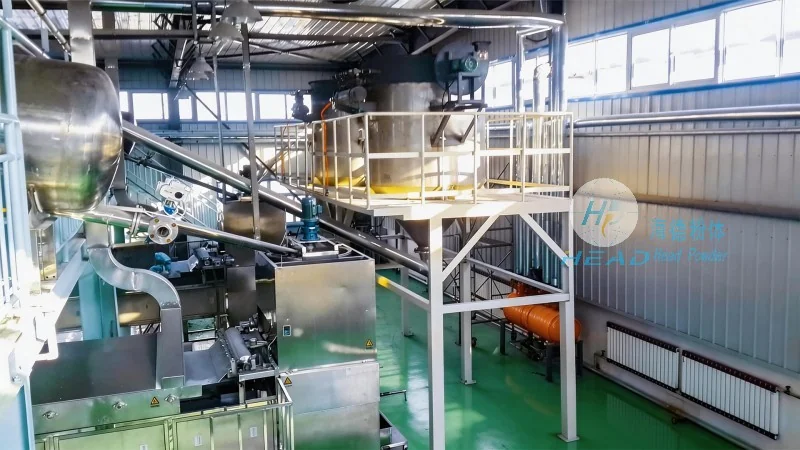
Application in Aluminum Battery Manufacturing
Pneumatic conveying systems are widely used in the aluminum battery manufacturing process, from material handling to component assembly. The efficiency of these systems directly impacts the overall production throughput and product quality. By ensuring consistent material transport, the system helps maintain uniform battery performance and reduces waste. The components discussed above are specifically tailored to handle aluminum materials, which are often sensitive to moisture and contamination. The use of stainless steel and advanced filtration ensures that the aluminum remains in pristine condition throughout the conveying process, which is essential for the longevity and reliability of aluminum batteries.
Conclusion
In summary, the components of a pneumatic conveying system for aluminum batteries are carefully designed to meet the unique demands of the industry. From the material feed system to the air supply and control mechanisms, each component plays a critical role in ensuring efficient and reliable material handling. The expertise of companies like Shandong HeadPowder Engineering Co., Ltd. (headpowder), a leading provider in the field, is instrumental in designing and implementing these systems, providing tailored solutions that enhance the performance of aluminum battery production lines. By understanding and optimizing these components, manufacturers can improve their operational efficiency and product quality, contributing to the advancement of aluminum battery technology.