

What Comprises the Pneumatic Conveying of Wheat Starch
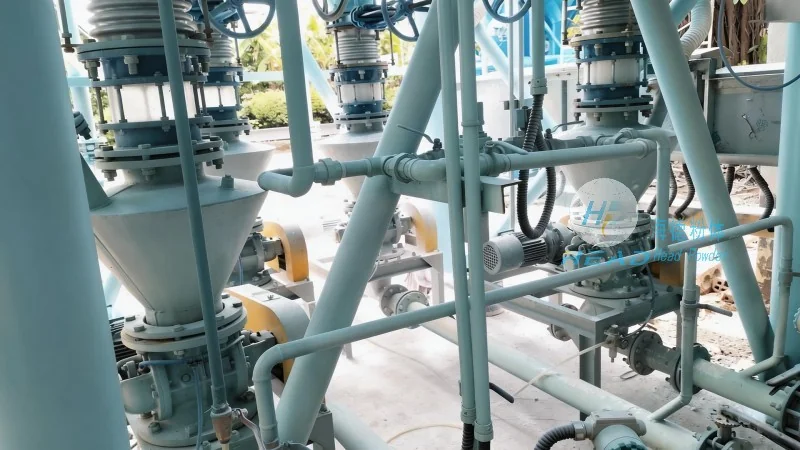
Wheat starch pneumatic conveying systems are integral to modern processing facilities, ensuring efficient and reliable material handling. The technology involves the use of air to transport wheat starch from one location to another, and understanding its core components is crucial for optimizing performance and maintaining operational efficiency. This article explores the key elements that constitute a typical wheat starch pneumatic conveying system, highlighting the role of each component in the overall process.
About Shandong HeadPowder Engineering Co., Ltd.
HeadPowder, the professional manufacturer behind these advanced systems, is based in Shandong, China. With a strong commitment to quality and innovation, the company specializes in designing and supplying customized pneumatic conveying solutions tailored to the specific needs of the food processing industry. The company’s expertise lies in integrating robust engineering with practical application, ensuring that each system meets the highest standards of safety, efficiency, and durability.
Core Components of a Wheat Starch Pneumatic Conveying System
The pneumatic conveying of wheat starch typically consists of several interconnected components that work in harmony to achieve effective material transport. The primary elements include the material feed hopper, the conveying pipeline, the air supply system, and the control mechanisms. Each of these components plays a vital role in the overall operation, and their proper design and integration are essential for the system’s success.
The Material Feed Hopper
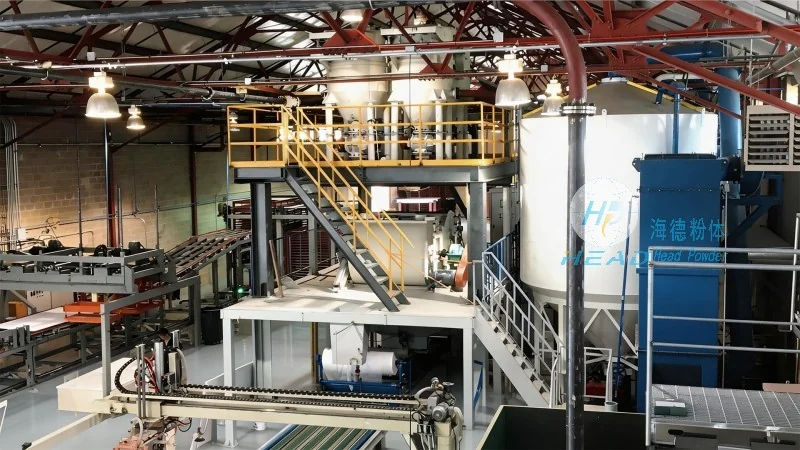
The material feed hopper is the initial component where wheat starch is loaded into the system. It serves as a storage and feeding device, ensuring a consistent flow of material into the conveying line. The hopper is designed with a hopper bottom or a rotary valve to control the discharge rate, preventing overloading or clogging. This component is critical for maintaining a steady supply of wheat starch, which is essential for continuous operation. The design of the hopper also considers factors such as material flow properties, moisture content, and the need for dust control, as these can impact the efficiency of the conveying process.
The Conveying Pipeline
The conveying pipeline is the backbone of the pneumatic system, responsible for transporting wheat starch through the air. It is typically made of materials such as stainless steel or plastic, chosen for their resistance to corrosion and wear. The pipeline is constructed with bends, elbows, and straight sections, each designed to minimize pressure loss and maintain the flow of material. The diameter and length of the pipeline are carefully selected based on the material’s characteristics, the required conveying rate, and the system’s overall layout. Proper sealing and support of the pipeline are also essential to prevent air leakage and structural failure, which could lead to reduced efficiency or system failure.
The Air Supply System
The air supply system provides the necessary pressure and volume of air to move the wheat starch through the pipeline. This system includes a blower or a positive displacement pump, which generates the airflow required for conveying. The blower is often chosen for its ability to handle large volumes of air at relatively low pressure, making it suitable for low to medium conveying rates. The pump, on the other hand, is used for high-pressure applications, where higher conveying velocities are needed. The air supply system also includes filters and regulators to ensure clean and consistent air quality, preventing contamination of the wheat starch and protecting the system components from damage.
Control and Monitoring Systems
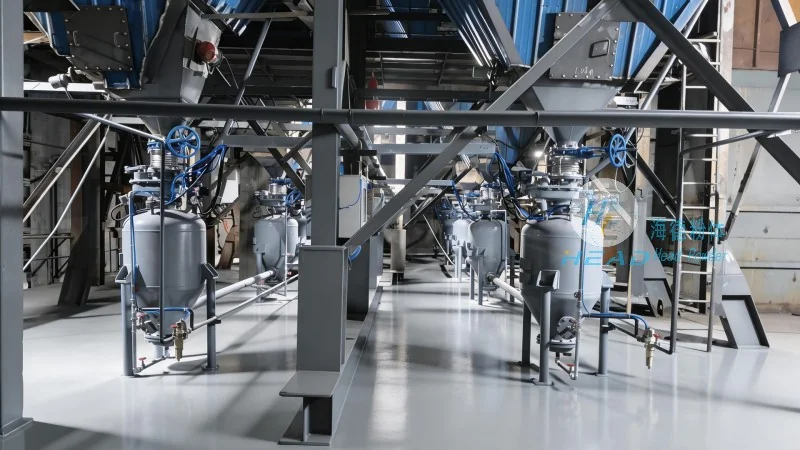
Control and monitoring systems are vital for managing the pneumatic conveying process and ensuring optimal performance. These systems typically include sensors, valves, and a control panel that allows operators to monitor and adjust the system parameters in real-time. Sensors are used to detect the level of material in the hopper, the pressure in the pipeline, and the flow rate of the air. This data is then used to adjust the feeding rate or the air supply, maintaining the desired conveying conditions. The control panel provides a user-friendly interface for operators to set parameters, view system status, and receive alerts in case of any abnormalities. Advanced systems may also include automation features, such as programmable logic controllers (PLCs), which can optimize the operation based on predefined settings and real-time data, further enhancing efficiency and reducing downtime.
Conclusion
Wheat starch pneumatic conveying systems are complex but highly effective solutions for material handling in the food processing industry. The components discussed above—feed hopper, conveying pipeline, air supply system, and control mechanisms—work together to ensure efficient and reliable transport of wheat starch. By understanding the role of each component and ensuring proper design and maintenance, facilities can maximize the performance of their pneumatic conveying systems, leading to improved productivity and reduced operational costs. HeadPowder, with its expertise in engineering and manufacturing, offers customized solutions that meet the specific needs of clients, helping them achieve their operational goals with confidence.