

What Comprises the Pneumatic Conveying of Zinc Oxide
Understanding the components of a pneumatic conveying system for zinc oxide is crucial for optimizing material handling processes in industrial applications. This article provides a detailed overview of the key elements that constitute such a system, emphasizing the technical aspects and functional roles of each component.
Key Components of a Zinc Oxide Pneumatic Conveying System
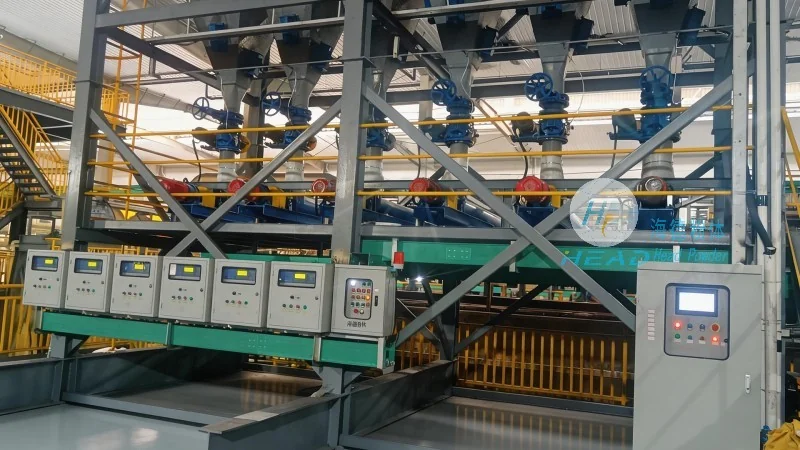
The pneumatic conveying system for zinc oxide typically consists of several interconnected parts, each playing a vital role in the efficient transport of the material. The primary components include the material feed system, the conveying line, the air supply unit, and the control mechanisms. These elements work in synergy to ensure smooth and reliable operation, minimizing downtime and maximizing productivity.
Material Feed System
The material feed system is the initial stage of the pneumatic conveying process, responsible for introducing zinc oxide into the system. This component may include a hopper or a silo that stores the material, equipped with a feeding device such as a rotary valve or a screw feeder. The feeding device regulates the flow rate of zinc oxide, ensuring a consistent and controlled supply to the conveying line. Proper design of the feed system is essential to prevent blockages and maintain the integrity of the material, which is critical for maintaining the quality of zinc oxide products.
Conveying Line
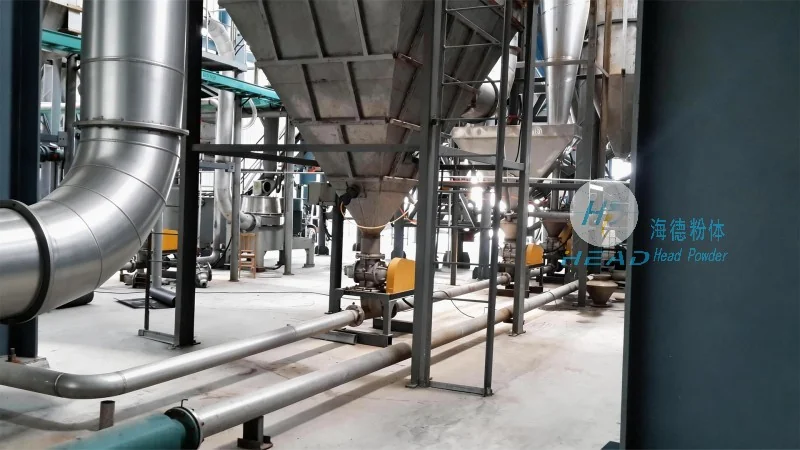
The conveying line is the core of the pneumatic system, responsible for transporting zinc oxide from the feed point to the discharge point. It consists of a pipeline made of materials like stainless steel or plastic, designed to withstand the abrasive nature of zinc oxide and the pressure differentials involved in the conveying process. The line may include bends, elbows, and straight sections, each strategically placed to guide the material flow efficiently. The design of the conveying line, including its diameter and length, is critical in determining the system's capacity and the pressure required for operation. Proper maintenance of the conveying line, such as regular cleaning and inspection, is necessary to prevent material buildup and ensure long-term reliability.
Air Supply Unit
The air supply unit provides the necessary airflow to move zinc oxide particles through the conveying line. This component typically includes a blower or a fan, which generates the required pressure and volume of air. The air supply unit is often equipped with a filter to remove dust and contaminants from the air, ensuring that the conveyed material remains clean and free from impurities. The selection of the air supply unit depends on factors such as the material's properties, the system's capacity, and the required conveying distance. Proper sizing and maintenance of the air supply unit are essential to avoid excessive energy consumption and to prevent mechanical failures.
Control Mechanisms
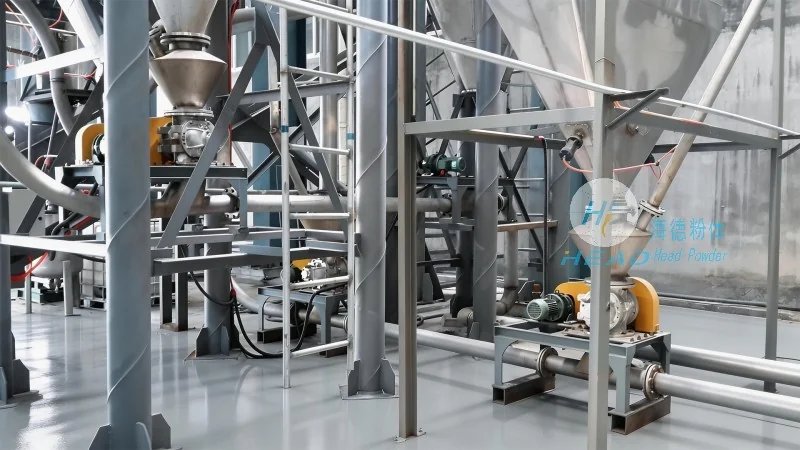
The control mechanisms are responsible for monitoring and regulating the operation of the pneumatic conveying system. These components may include pressure sensors, flow meters, and control valves, which provide real-time data on the system's performance. The control system can adjust the airflow, feed rate, and pressure as needed to maintain optimal operation. Additionally, safety features such as pressure relief valves and emergency shut-off valves are integrated into the control mechanisms to prevent accidents and protect the system from damage. The use of advanced control technologies, such as programmable logic controllers (PLCs), enhances the system's efficiency and reliability, allowing for automated and precise control of the conveying process.
Additional Components and Considerations
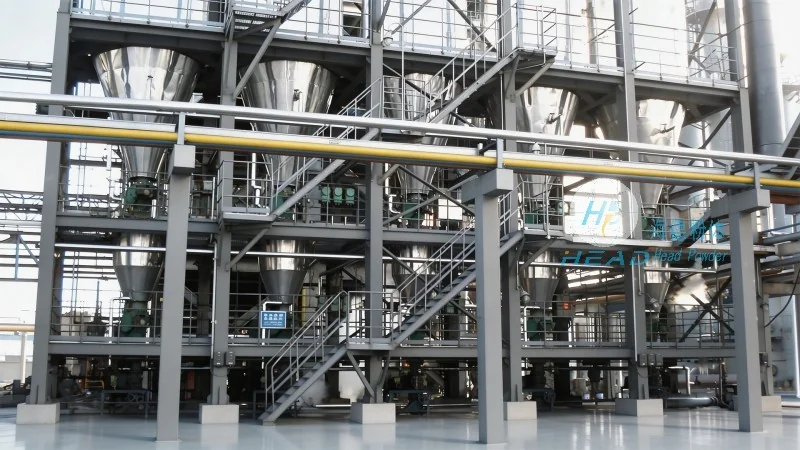
Beyond the primary components, a pneumatic conveying system for zinc oxide may include additional elements to enhance its functionality and performance. These may include dust collection systems, which capture and filter any airborne particles released during the conveying process, ensuring compliance with environmental regulations and maintaining a clean working environment. Additionally, the system may incorporate cleaning and maintenance tools, such as blowers and brushes, to facilitate regular upkeep and prevent material buildup in the conveying line. The selection of these additional components depends on the specific application and the requirements of the zinc oxide processing facility.
Overall, the pneumatic conveying system for zinc oxide is a complex yet efficient solution for material handling. By understanding and properly maintaining each component, industrial facilities can ensure the smooth and reliable transport of zinc oxide, thereby improving productivity and product quality. The expertise of companies like Shandong HeadPowder Engineering Co., Ltd., based in Shandong, China, plays a crucial role in designing and implementing such systems, providing tailored solutions to meet the unique needs of various industrial applications.