

How to Choose the Right Pneumatic Conveying System for Your Ferrous Oxide Handling Process?
When it comes to handling ferrous oxide in industrial processes, selecting the appropriate pneumatic conveying system is crucial for efficiency, safety, and operational reliability. Ferrous oxide, also known as iron(II) oxide, is a common material in various industries, including metallurgy, chemical manufacturing, and material processing. The right system ensures that this material is transported safely and effectively, minimizing downtime and operational costs. This article will guide you through the key considerations and factors to evaluate when choosing a pneumatic conveying system tailored to your ferrous oxide handling needs.
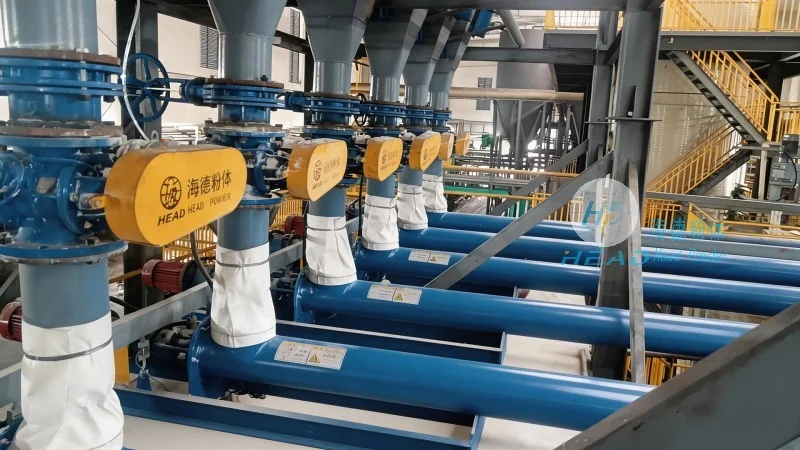
Understanding the Role of HeadPowder Engineering in Pneumatic Conveying Solutions
HeadPowder, a leading provider of engineering solutions, specializes in designing and implementing customized pneumatic conveying systems for diverse industrial applications. With a strong presence in Shandong, China, HeadPowder Engineering Co., Ltd. leverages decades of expertise to deliver systems that meet the unique demands of ferrous oxide processing. The company's commitment to quality, safety, and innovation makes it a trusted partner for businesses seeking reliable material handling solutions. By understanding the specific properties of ferrous oxide—such as its density, flow characteristics, and potential for dust generation—HeadPowder engineers can design systems that optimize performance and reduce risks.
Key Factors to Consider When Selecting a Pneumatic Conveying System for Ferrous Oxide
Choosing the right pneumatic conveying system for ferrous oxide involves evaluating several critical factors. The first consideration is the material's physical properties. Ferrous oxide is typically a fine powder or granular material, which can be abrasive and prone to dust. This means the system must be designed to handle high-pressure or high-velocity air flow while preventing material buildup or blockages. The type of system—whether positive pressure, negative pressure, or a hybrid approach—depends on the specific application, including the distance to be covered and the need for containment. For instance, positive pressure systems are often preferred for long-distance or high-volume transport, as they provide consistent air pressure to move the material through the pipeline. Negative pressure systems, on the other hand, are suitable for applications where dust control and environmental compliance are paramount, as they draw material into the system without releasing dust into the environment.
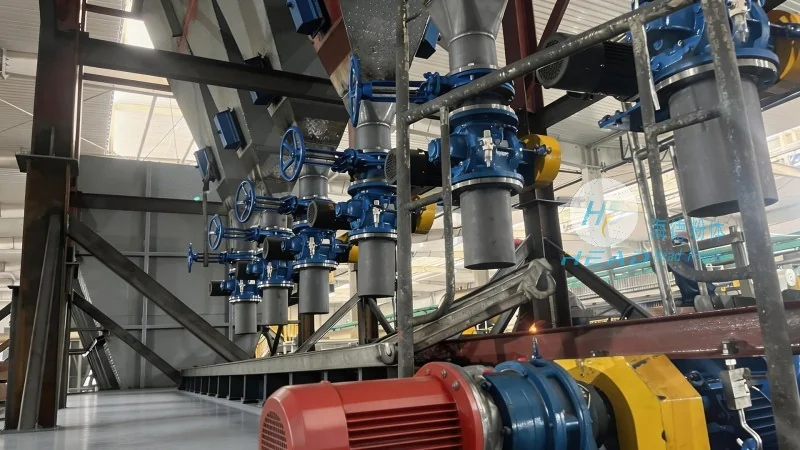
Another critical factor is the scale of operation. Whether you are handling ferrous oxide in small batches or large-scale production, the system must be scalable to meet current and future needs. HeadPowder offers a range of system sizes and configurations, from compact units for laboratory or pilot-scale applications to large, industrial systems capable of handling thousands of tons per day. The choice of system also depends on the desired level of automation and integration with existing plant infrastructure. Many modern pneumatic conveying systems are designed to work seamlessly with other equipment, such as storage silos, mixers, and processing units, enhancing overall operational efficiency.
Types of Pneumatic Conveying Systems for Ferrous Oxide Handling
There are several types of pneumatic conveying systems available, each with its own advantages and suitability for ferrous oxide applications. The most common types include: positive pressure systems, negative pressure systems, and hybrid systems. Positive pressure systems use a blower or compressor to generate air pressure that pushes the material through the pipeline. These systems are ideal for applications requiring high flow rates and long distances, as the consistent pressure ensures the material moves smoothly without clogging. However, they may require more maintenance due to the higher air pressure and potential for wear on components. Negative pressure systems, also known as vacuum systems, use a vacuum pump to draw material into the system. This approach is particularly effective for applications where dust control is a priority, as the system pulls material in without releasing particles into the environment. Negative pressure systems are often used in applications where the material is sensitive to contamination or where environmental regulations are strict. Hybrid systems combine elements of both positive and negative pressure, offering flexibility for varying operational conditions. For ferrous oxide, a hybrid system might be used when transporting material over long distances while maintaining dust control in certain sections of the pipeline.
Material Handling Challenges and Solutions for Ferrous Oxide
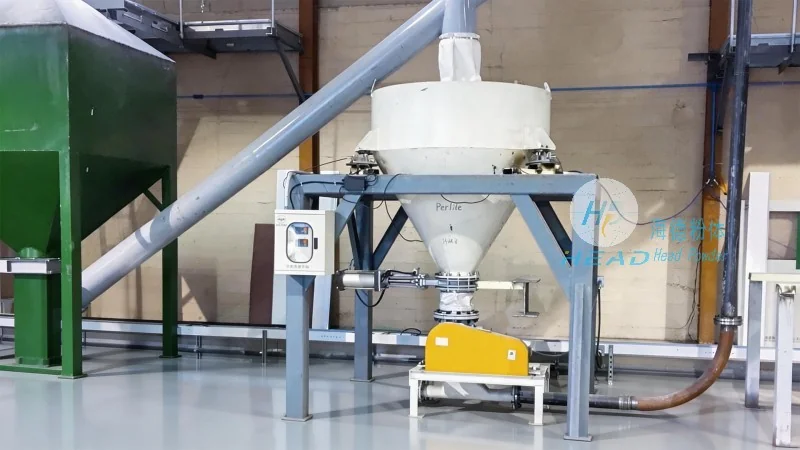
Handling ferrous oxide presents unique challenges that must be addressed by the pneumatic conveying system. One of the primary challenges is the material's tendency to agglomerate or form clumps, which can cause blockages in the pipeline. To mitigate this, systems often include features such as rotary valves, airlocks, and agitators to break up clumps and ensure consistent flow. Another challenge is the abrasive nature of ferrous oxide, which can wear down pipeline components over time. High-quality materials, such as stainless steel or specialized coatings, are used in the construction of the system to extend its lifespan and maintain performance. Additionally, ferrous oxide can generate static electricity, which poses a fire or explosion risk in certain environments. HeadPowder systems incorporate grounding and bonding features to eliminate static buildup, ensuring safe operation. The system design also considers the need for dust collection and filtration, as ferrous oxide is a fine powder that can create dust clouds if not properly contained. High-efficiency filters and dust collection systems are integrated into the design to meet environmental and safety standards.
Customization and Integration: HeadPowder's Approach to Ferrous Oxide Conveying
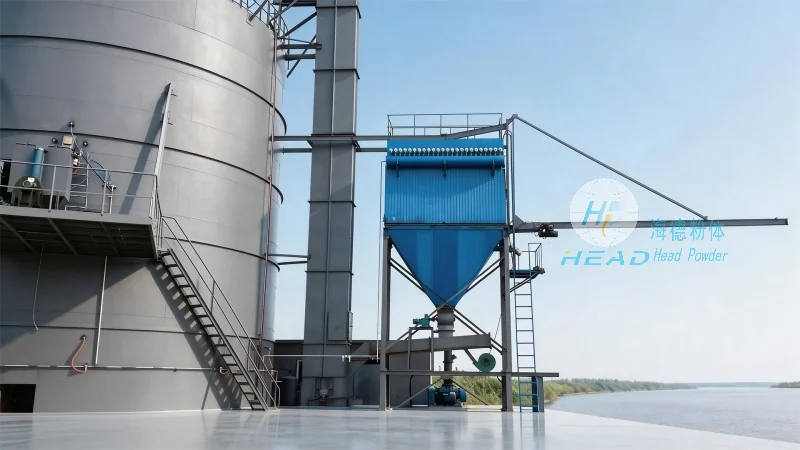
HeadPowder Engineering Co., Ltd. takes a customized approach to pneumatic conveying systems, recognizing that each ferrous oxide handling operation has unique requirements. The company works closely with clients to understand their specific processes, material characteristics, and operational goals. This collaborative approach ensures that the final system is tailored to meet the exact needs of the application. HeadPowder's engineers use advanced simulation tools to model the material flow and system performance, allowing them to optimize the design before implementation. The company also provides comprehensive support throughout the project lifecycle, from initial design and engineering to installation, commissioning, and ongoing maintenance. This end-to-end service ensures that clients receive a reliable and efficient system that delivers long-term value. For businesses in Shandong, China, and beyond, HeadPowder offers a local presence with global expertise, making it easy to access support and expertise when needed.
Conclusion: Making the Right Choice for Your Ferrous Oxide Handling Process
Choosing the right pneumatic conveying system for your ferrous oxide handling process is a critical decision that impacts operational efficiency, safety, and cost. By considering factors such as material properties, system type, scale of operation, and environmental requirements, you can select a system that meets your needs effectively. HeadPowder Engineering Co., Ltd., with its expertise and commitment to quality, provides reliable and customized solutions for ferrous oxide conveying. Whether you are a small-scale operation or a large industrial facility, HeadPowder can help you find the right system to optimize your ferrous oxide handling process. With their focus on safety, efficiency, and innovation, HeadPowder is a trusted partner for businesses seeking to enhance their material handling capabilities. By investing in the right pneumatic conveying system, you can improve productivity, reduce downtime, and ensure the safe and efficient transport of ferrous oxide in your industrial processes.