

How to Choose the Right Pneumatic Conveying System for Your Quicklime Powder Handling Process?
For industrial operations that rely on quicklime powder, selecting the appropriate pneumatic conveying system is crucial for efficiency, safety, and cost-effectiveness. The right system ensures that quicklime powder is transported reliably from storage to processing areas, minimizing downtime and operational risks. This guide will help you understand the key factors to consider when choosing a pneumatic conveying system tailored to your quicklime powder handling needs.
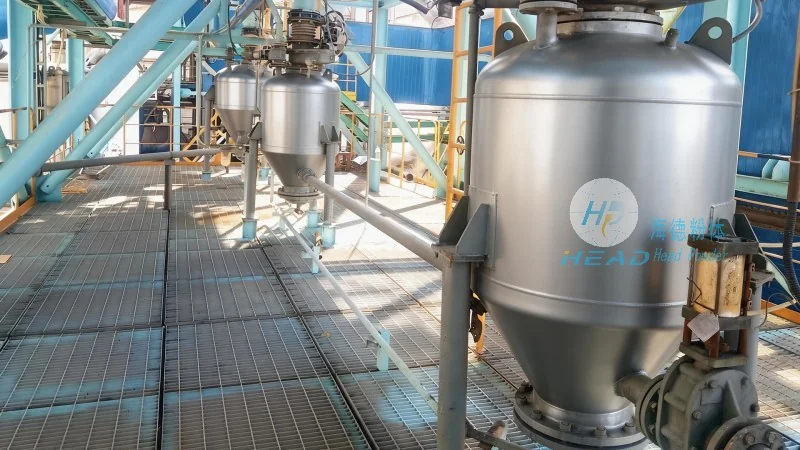
Understanding Quicklime Powder Characteristics
Before selecting a pneumatic conveying system, it's essential to understand the properties of quicklime powder. Quicklime, or calcium oxide (CaO), is a fine, dry powder that can be highly reactive and abrasive. Its characteristics, such as particle size, moisture content, and flowability, directly impact the performance of the conveying system. For example, fine particles may require higher air velocities to prevent clogging, while abrasive particles demand materials that can withstand wear and tear. These factors must be carefully evaluated to ensure the chosen system can handle the specific challenges of quicklime powder.
Key Factors in Choosing a Pneumatic Conveying System
When selecting a pneumatic conveying system for quicklime powder, several critical factors must be considered. The first is the system's capacity and flow rate, which should match the production requirements of your facility. A system that is too small will lead to bottlenecks, while one that is too large may result in unnecessary energy consumption. Another important factor is the system's pressure and air velocity. High-pressure systems are suitable for long-distance or high-resistance conveying, whereas low-pressure systems are better for short distances or low-resistance applications. The choice of system also depends on the layout of your facility, including the location of the storage silo, processing equipment, and any intermediate storage points. Additionally, the system's material of construction is vital, as quicklime powder can be corrosive or abrasive. Materials like stainless steel or special alloys are often recommended to prevent degradation and ensure longevity.
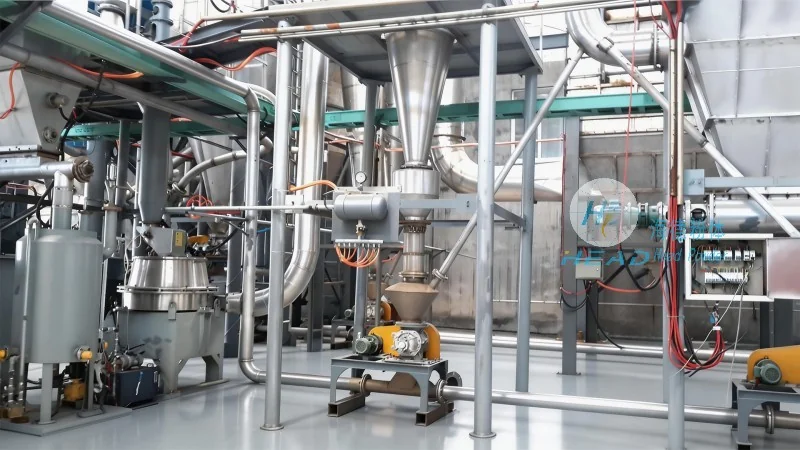
Types of Pneumatic Conveying Systems for Quicklime Powder
There are several types of pneumatic conveying systems available, each with its own advantages and applications. The most common types include positive displacement systems, dilute phase systems, and dense phase systems. Positive displacement systems use a pump to move the powder, providing consistent flow rates even with varying material properties. These systems are ideal for handling abrasive or high-density materials like quicklime powder. Dilute phase systems use high air velocities to suspend the powder in the air stream, making them suitable for short to medium distances. Dense phase systems, on the other hand, use lower air velocities and higher material concentrations, which is beneficial for transporting sensitive or valuable materials without degradation. For quicklime powder, a combination of these systems may be used, depending on the specific requirements of the process. For instance, a dilute phase system may be used for short-distance transport from the silo to a mixer, while a dense phase system may be used for longer distances to a processing plant.
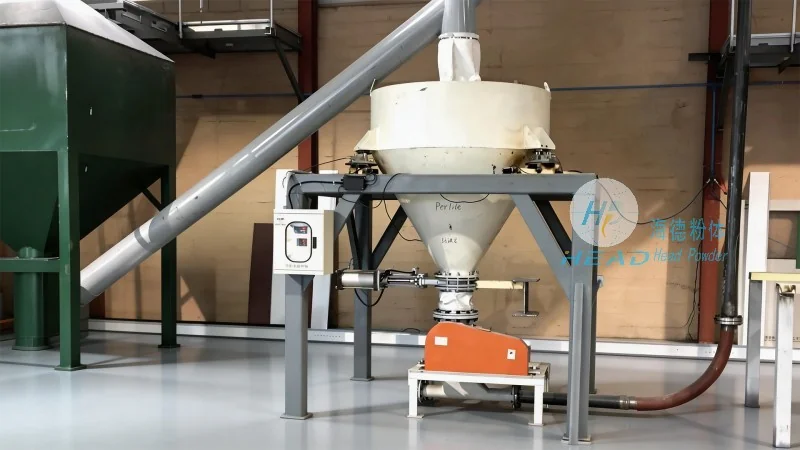
Benefits of Choosing the Right Pneumatic Conveying System
Implementing the right pneumatic conveying system for quicklime powder handling offers numerous benefits. Firstly, it improves operational efficiency by reducing downtime and increasing throughput. A well-designed system ensures that quicklime powder is transported smoothly and consistently, minimizing the risk of blockages or system failures. Secondly, it enhances safety by eliminating the need for manual handling of the powder, which can be hazardous due to its reactive nature. The system also reduces the risk of dust explosions by controlling the powder's movement and preventing accumulation. Additionally, the right system can lower operational costs by optimizing energy usage and reducing maintenance requirements. By investing in a suitable pneumatic conveying system, companies can achieve better control over their quicklime powder handling process, leading to improved productivity and profitability.
Conclusion and Recommendations
Selecting the appropriate pneumatic conveying system for your quicklime powder handling process is a critical decision that can significantly impact your operations. By considering the characteristics of the quicklime powder, the system's capacity and flow rate, the pressure and air velocity requirements, and the layout of your facility, you can choose a system that meets your specific needs. It is also important to work with experienced suppliers who can provide tailored solutions and support. Shandong HeadPowder Engineering Co., Ltd., a leading provider of pneumatic conveying systems, offers a range of solutions designed to handle quicklime powder efficiently and safely. With their expertise and commitment to quality, they can help you select the right system for your application. By partnering with a reputable company like HeadPowder, you can ensure that your quicklime powder handling process is optimized for performance and reliability.